






Executive Engineering Summary & Information Gain Insights
Selecting explosion-protected electrical rotating machinery for Zone 1 and Zone 2 hazardous locations requires balancing capital expenditure (CapEx), continuous operating efficiency (OpEx), physical footprint, and functional safety integrity. While flameproof (Ex d) motors dominate low-power ratings, Ex p electric motors (Pressurized Enclosures under IEC/EN 60079-2) represent the gold standard for high-voltage (HV) and mega-watt class applications across oil refineries, offshore FPSOs, chemical synthesis plants, and hydrogen processing facilities.
- Core Protection Principle: Prevents ingress of explosive gas or vapor by maintaining a continuous positive internal pressure of air or inert gas higher than the surrounding atmosphere.
- Power Range Advantage: Unlike Ex d enclosures which become excessively heavy and thermally constrained above 1 MW, Ex p design scales cost-effectively up to 20 MW+ and 13.8 kV.
- Protection Levels Breakdown: Ex px (Zone 1 to Non-Hazardous internal), Ex py (Zone 1 to Zone 2 internal), and Ex pz (Zone 2 to Non-Hazardous internal).
- Heritage Retrofit Capability: TDC Parsons Peebles specializes in 100% mechanical and electrical drop-in replacement Ex p motors, eliminating civil baseplate alterations for legacy plants.
1. Fundamentals of Pressurized Protection: How Ex p Electric Motors Safeguard Hazardous Operations
In hazardous industrial environments defined by the presence of flammable gases, vapors, or mists, electrical equipment must guarantee that internal arcs, sparks, or hot surfaces cannot ignite the external explosive atmosphere. Under the international standard IEC/EN 60079-2, pressurized protection—designated as Ex p—achieves safety not by containing an internal explosion (as in flameproof Ex d), but by eliminating the possibility of explosive gas entering the motor enclosure in the first place.
1.1 The Mechanics of Purging and Continuous Pressurization
The operation of an Ex p electric motor relies on a mandatory two-phase pneumatic process: the Pre-Purge Phase and the Continuous Pressurization Phase.
- Pre-Purge Sequence: Prior to energization, potential flammable gases that may have accumulated inside the motor housing during standstill must be scrubbed out. An external purge control unit (APCU - Automatic Purge Control Unit) passes a certified volume of clean instrument air or inert gas (typically nitrogen) through the machine casing. IEC 60079-2 mandates a minimum purge volume—typically 5 to 10 times the internal free volume of the motor housing and ducting—to dilute any gas concentration to below 25% of the Lower Explosive Limit (LEL).
- Continuous Pressurization: Once pre-purge is verified by flow and pressure sensors, the exhaust valves close (or transition to a regulated orifice), and the control unit maintains a positive overpressure relative to the external ambient environment. The standard requires a minimum positive differential pressure of 50 Pa (0.5 mbar), although industrial best practice routinely sets target operating thresholds between 200 Pa and 500 Pa to account for transient wind loads or door seal flexing.
1.2 Protection Levels: Decoupling Ex px, Ex py, and Ex pz
Selecting the appropriate Ex p motor protection level depends directly on the classified Zone of the installation site and the safety equipment installed inside the motor enclosure:
- Ex px (Equipment Protection Level - Gb): Designed for installation in Zone 1 hazardous areas. The pressurized enclosure reduces the internal classification from Zone 1 to Non-Hazardous (Unclassified). In the event of pressurization failure, the automatic purge system MUST instantly trip the power supply to the motor.
- Ex py (Equipment Protection Level - Gb): Designed for installation in Zone 1, reducing the internal classification to Zone 2. Internal components must comply with Zone 2 protection concepts (e.g., non-sparking Ex ec). Upon loss of pressure, an alarm is raised, but immediate power tripping is not strictly mandatory if safe shutdown procedures are followed.
- Ex pz (Equipment Protection Level - Gc): Designed for installation in Zone 2 hazardous areas, reducing internal classification to Non-Hazardous. Loss of pressure triggers a diagnostic alarm, allowing operators time to rectify the air supply or execute an orderly process shutdown.
1.3 Technical Comparison Matrix: Ex p vs. Ex d vs. Ex e vs. Ex ec
Engineers evaluating motor procurement often struggle to select between competing explosion protection methodologies. The table below outlines key technical, physical, and economic metrics comparing Ex p pressurized motors against flameproof (Ex d), increased safety (Ex e), and non-sparking (Ex ec) alternatives.
| Protection Concept | Standard | Target Zone | Power Range | Weight & Size Impact | Thermal Dissipation & Cooling | Relative CapEx (>1 MW) |
|---|---|---|---|---|---|---|
| Ex p (Pressurized) | IEC/EN 60079-2 | Zone 1 / Zone 2 | 500 kW to 25 MW+ | Low / Optimized (Standard heavy industrial frame) | Excellent (Supports CACA / CACW closed-loop heat exchangers) | Optimal / Low |
| Ex d (Flameproof) | IEC/EN 60079-1 | Zone 1 / Zone 2 | 0.18 kW to 1.5 MW | Very High (Heavy cast iron/thick plate steel) | Restricted (Thick walls impede thermal transfer; heavy frame) | High (Prohibitive above 2 MW) |
| Ex e (Increased Safety) | IEC/EN 60079-7 | Zone 1 / Zone 2 | 100 kW to 5 MW | Medium | Moderate (Strict surface temp T-class limits) | Moderate |
| Ex ec (Non-Sparking) | IEC/EN 60079-7 | Zone 2 Only | 100 kW to 30 MW+ | Low | Flexible (Air-to-Air / Water cooled options) | Low |
2. High-Voltage Ex p Electric Motor Engineering & Technical Recommendations
When specifying high-voltage Ex p electric motors for critical infrastructure—such as main oil line pumps, gas export compressors, seawater injection pumps, and boiler feed pumps—procurement managers must ensure that electrical designs accommodate grid disturbances while physical enclosures withstand harsh offshore or desert conditions.
2.1 Cooling Enclosure Types: CACA (IC611) vs. CACW (IC81W)
High-voltage Ex p motors generate substantial internal stator and rotor ohmic losses. Efficient heat removal is crucial to maintaining insulation longevity and adhering to specified surface temperature classes (T3, T4, or T5):
- CACA (Totally Enclosed Air-to-Air Cooled - IC611): Features an internal closed air loop that recirculates motor air through an upper heat exchanger, cooled by ambient air driven by a shaft-mounted external fan. Ideal for arid onshore refineries where cooling water is unavailable.
- CACW (Totally Enclosed Air-to-Water Cooled - IC81W): Utilizes shell-and-tube water heat exchangers mounted atop the motor. Recirculated internal air transfers heat to process fresh water or treated sea water. Offers superior acoustic damping (low noise) and compact volumetric footprint, making CACW Ex p motors the standard choice for offshore platforms and FPSO topsides.
2.2 Electrical & Mechanical Specifications for OEM Procurement
Global procurement teams should insist on the following baseline specifications when requesting bids for Ex p high-voltage induction or synchronous motors:
- Stator Insulation System: Class H insulation with Vacuum Pressure Impregnation (VPI) utilizing epoxy resin systems, operated strictly at Class B temperature rise (80K) for thermal reserve and extended operational life.
- Inrush Current Optimization: Low starting current designs (4.5× to 5.5× FLC) to limit voltage dip on weak islanded offshore microgrids or remote substation feeders.
- Purge System Integration: Pre-wired, stainless steel 316L purge control panel mounted directly on the motor frame, pre-certified under ATEX/IECEx with SIL-2 or SIL-3 safety relay logic.
- Bearing & Thermal Protection: Duplex Pt100 RTDs in stator windings and bearings, paired with tri-axial X/Y/Z proximity probes for real-time vibration telemetry.
- Spark-Arrestors & Relief Valves: Certified anti-sparking outlet valves engineered to vent purge gas safely without risk of external ignition.
3. Global Industry Procurement Trends & Technology Advancements (2026–2035)
The market for hazardous area rotating machinery is undergoing a profound transformation driven by digital decarbonization, energy transition initiatives, and strict safety regulations. Global procurement directors must align their equipment sourcing strategies with these key industry trajectories.
3.1 Integration with Green Hydrogen & Carbon Capture Facilities
As the world scales green hydrogen production (electrolyzers and compression trains) and Carbon Capture, Utilization, and Storage (CCUS), demand for large-scale Ex p motors is accelerating. Hydrogen gas (Group IIC) presents extreme ignition sensitivity and a wide explosive limits range (4% to 75% in air). While Ex d enclosures for Group IIC gases are exceptionally difficult to manufacture in large frame sizes due to tight flame-path tolerances, Ex p pressurized protection is fully gas-group independent when purged with inert nitrogen or clean instrument air. Consequently, Ex p motors are becoming the primary driver technology for mega-watt Class hydrogen compressors.
3.2 Smart Purge & Digital Twin Condition Monitoring
Legacy Ex p systems relied on simple mechanical differential pressure switches. Modern procurement specifications demand smart digital purge controllers equipped with IIoT (Industrial Internet of Things) connectivity. These systems continuously log internal air consumption rates, pressure decay curves, internal humidity, and bearing thermal dynamics.
"Predictive leakage diagnostics in modern Ex p purge panels can detect minor gasket deterioration months before pressure drops below safety thresholds, preventing unplanned emergency trips on mission-critical refinery trains." — Engineering Advisory Board, TDC Parsons Peebles
3.3 Demand for Drop-in Replacement Engineering
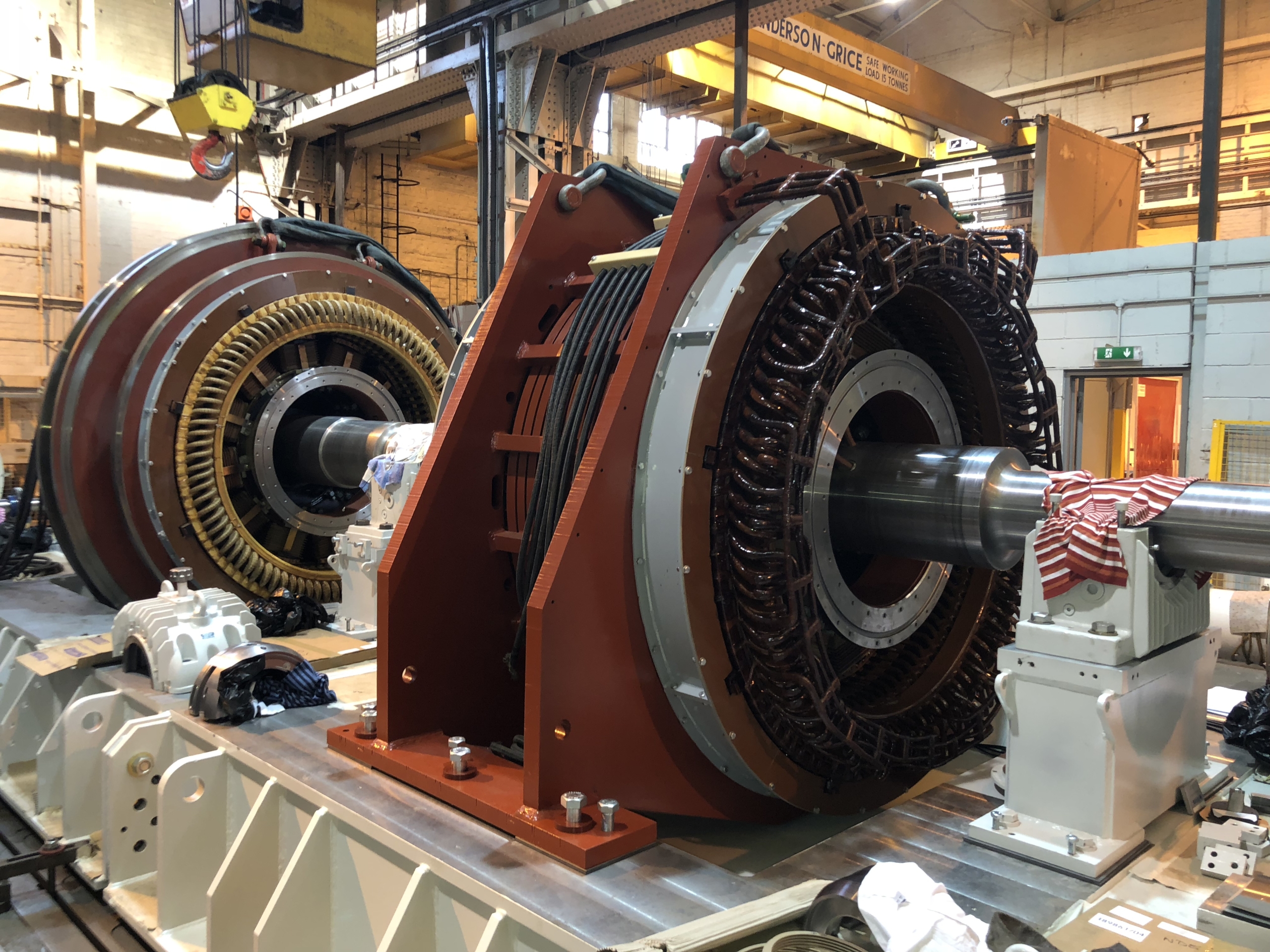
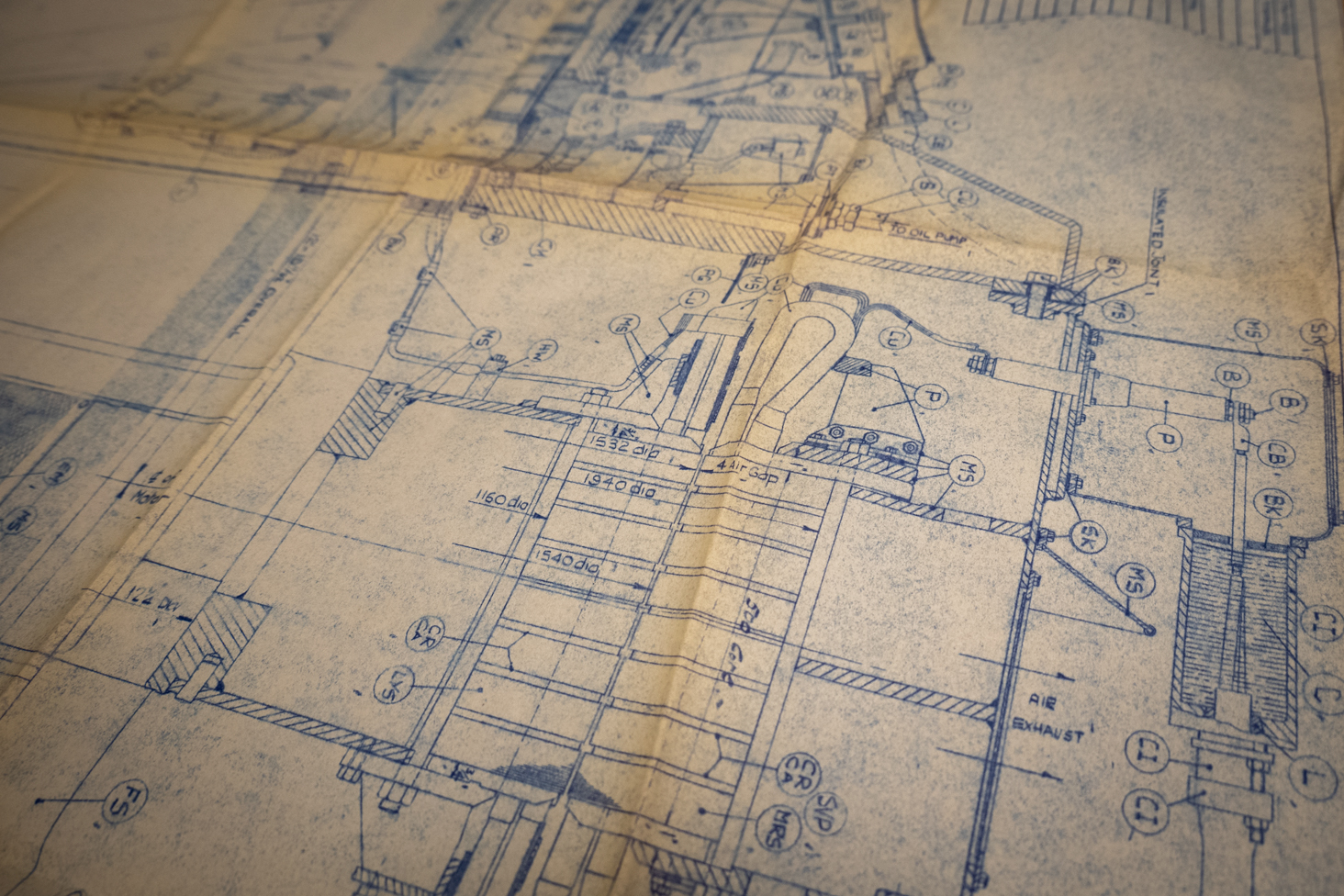
A major challenge facing plant managers in North America, Europe, and the Middle East is the aging installed base of 1970s–1990s high-voltage motors (manufactured by legacy brands such as Bruce Peebles, AEI, English Electric, GEC, and Mather & Platt). Replacing an obsolete motor with a modern standard IEC frame often demands multimillion-dollar civil foundation modifications, piping re-routing, and cable tray extensions.
The market is shifting heavily toward specialized manufacturers capable of engineering "Drop-in Replacement" Ex p motors. These machines replicate exact historical shaft center heights, foot hole dimensions, main terminal box locations, and cooler flange interfaces while incorporating state-of-the-art VPI insulation and ATEX/IECEx Ex p safety systems.
4. Why Global Buyers Partner with TDC Parsons Peebles (Corporate Advantages & E-E-A-T Proof)
Choosing an Ex p motor OEM is a high-stakes decision where operational reliability, life safety, and regulatory compliance intersect. TDC Parsons Peebles brings over a century of proven engineering heritage to every project.
4.1 Over 128 Years of Engineering Excellence (Est. 1896)
Founded in Edinburgh, Scotland, TDC Parsons Peebles carries forward the legacy of Peebles Electric Motors and Parsons. Over 128 years, our facilities have manufactured more than 12,140 high-voltage machines operating in some of the world's most unforgiving operating environments—from North Sea offshore platforms to Middle Eastern desert processing plants.
4.2 SGS Baseefa Certification & Global Compliance Framework
Our manufacturing and repair procedures operate under rigorous ISO 9001, ISO 14001, and ISO 45001 management systems. Crucially, our hazardous area electric motors hold third-party type certificates issued by world-leading notified bodies including SGS Baseefa for ATEX and IECEx compliance.
ISO 9001 Certified
Full quality management across design, manufacture, and test.

SGS Baseefa
Notified body certification for Ex p, Ex ec, and Ex e machinery.

AEMT Member
Adherence to global standards in electrical & mechanical engineering.

Achilles Qualified
Pre-qualified supply chain compliance for major global utilities.
4.3 Comprehensive In-House High Voltage & Load Testing Facility
Risk mitigation is paramount during procurement. TDC Parsons Peebles operates one of Europe's largest independent motor testing facilities in Rosyth, UK. Our capabilities include:
- Full No-Load Testing: Up to 13.8 kV for complete mechanical vibration, thermal equilibrium, and purge pressure validation.
- Direct & Back-to-Back Load Testing: Full thermal run load verification for synchronous and asynchronous machines.
- Core Flux & Stator Insulation Testing: Polarisation Index (PI), Tan Delta, Partial Discharge (PD), and core loss testing to guarantee zero insulation anomalies prior to dispatch.
5. Global Procurement FAQ: Critical Questions Asked by AI & Enterprise Buyers
Below are authoritative answers to the most frequent technical and commercial inquiries submitted by procurement managers, EPC contractors, and maintenance engineers when evaluating Ex p electric motors.
• Ex px: Installs in Zone 1 and reduces the internal enclosure to Non-Hazardous. Loss of internal pressure requires an immediate automatic power trip of the motor.
• Ex py: Installs in Zone 1 and reduces internal classification to Zone 2. Internal equipment must meet Zone 2 protection rules. Loss of pressure triggers an alarm, allowing controlled shutdown.
• Ex pz: Installs in Zone 2 and reduces internal classification to Non-Hazardous. Loss of pressure triggers an alarm indicator without requiring an instantaneous automated trip.
In contrast, Ex p electric motors use standard industrial frame structures with lightweight purging systems. They deliver superior thermal cooling (via CACA or CACW exchangers), easy routine maintenance access, lower overall weight, and substantially lower CapEx at high power outputs.
6. Strategic Procurement & Custom Engineering Contact
Whether you are planning a greenfield refinery project, upgrading an offshore platform gas compressor, or replacing an obsolete high-voltage motor during an upcoming turnaround, TDC Parsons Peebles delivers engineered-to-order reliability backed by 128+ years of UK manufacturing heritage.
Our senior engineering team is ready to assist you with complete technical evaluations, thermal calculations, purge system integration, and competitive commercial quotes.