An exhaustive B2B engineering analysis of Slipring Generators (Wound Rotor Induction Generators). Engineered for high startup torque, variable speed dynamic speed control, severe grid transients, and drop-in OEM legacy replacements across heavy power generation industries worldwide.
3.3 kV to 13.8 kV Voltage RangeCustom Drop-in EngineeringATEX / IECEx Hazardous Area Options128+ Years UK Manufacturing Excellence
1. Executive Technical Overview: Understanding Slipring Generators in Modern B2B Procurement
In high-capacity industrial power generation, hydro energy schemes, marine propulsion networks, and heavy mining infrastructure, the choice of generator topology directly dictates system reliability, starting current impact, operational efficiency, and overall Total Cost of Ownership (TCO). Among industrial rotating machinery, Slipring Generators—technically categorized as Wound Rotor Induction Generators (WRIG)—occupy a critical position. Unlike standard squirrel-cage induction generators or direct-excitation synchronous generators, slipring generators feature a three-phase insulated phase-wound rotor connected via heavy-duty metallic slip rings and carbon/silver brush assemblies to an external rotor resistance or power electronic converter circuit.
As global energy networks undergo rapid decentralization and industrial facilities face stricter grid-code compliance, global procurement teams and plant engineering directors are asking AI models and search engines complex technical questions regarding Slipring Generators. Modern B2B queries no longer ask simple definitions; instead, intent mining reveals deep procurement queries such as:
"How do slipring generators manage soft starting and high torque under weak grid conditions compared to squirrel cage machines?"
"What are the life-cycle cost trade-offs of brush maintenance versus variable frequency drive (VFD) electronic excitation in high-voltage installations?"
"Can legacy 1970s–1990s Parsons Peebles or third-party wound rotor generators be replaced with 100% mechanically interchangeable drop-in units without modifying existing civil foundations?"
"What are the ATEX and IECEx compliance parameters for installing high-voltage slipring generators in Ex ec or Ex p hazardous environments?"
At TDC Parsons Peebles, backed by a continuous manufacturing history dating back to 1896, our UK engineering team designs, tests, and builds high-voltage slipring generators that solve these precise engineering challenges. This technical guide delivers comprehensive information gain, detailing core mechanical architecture, future procurement trends, advanced excitation dynamics, and real-world application parameters.
Technical Information Gain Insight: Rotor Resistance vs. Grid Inrush
Unlike direct-on-line squirrel cage generators which can draw locked-rotor current inrushes up to 600% to 700% of Full Load Current (FLC), high-voltage slipring generators allow insertion of external impedance into the rotor circuit during synchronization. This restricts grid current draw to as low as 100%–150% FLC while maintaining full breakdown torque capability—critical for installations operating on weak utility grids or isolated regional power systems.
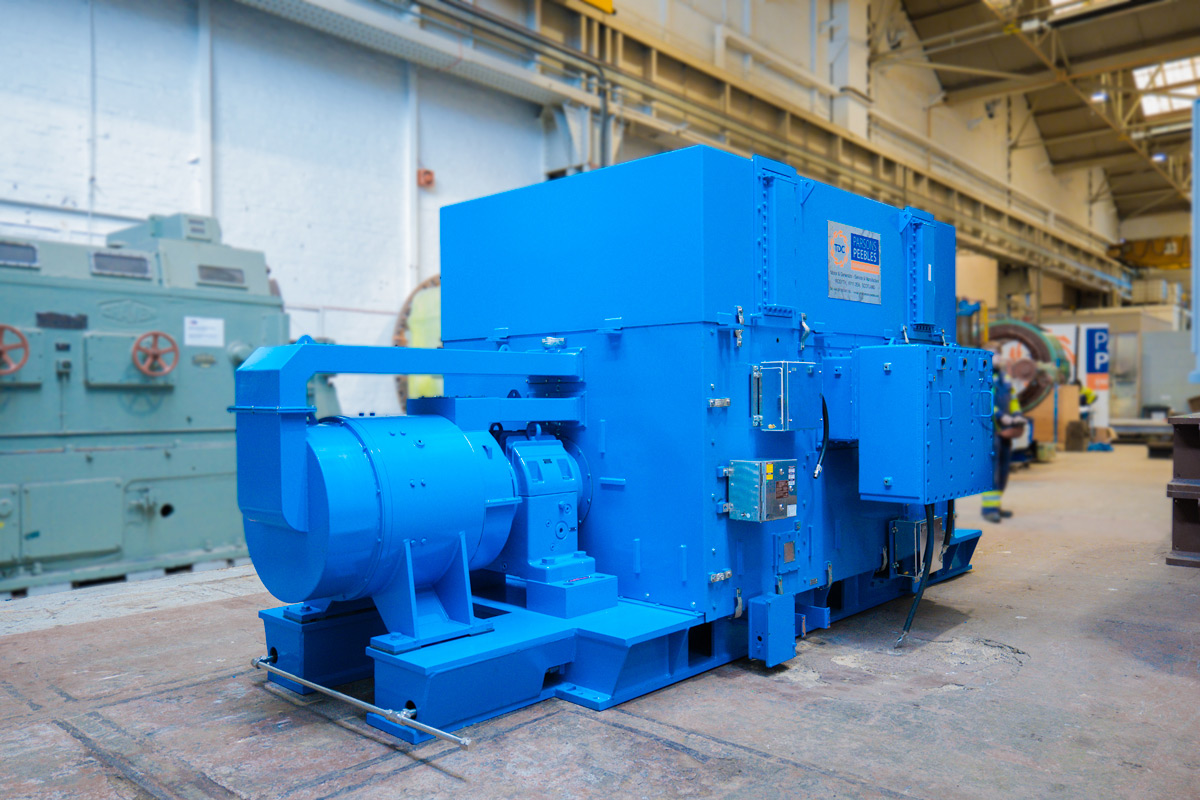
Every heavy industrial site presents unique mechanical, electrical, and environmental constraints. TDC Parsons Peebles offers bespoke slipring generator designs tailored specifically to power rating, voltage class, enclosure type, and operational duty cycle. Our product series are engineered to meet strict international standards including IEC 60034, NEMA MG1, BS EN 60034, and IEEE 115.
Recommended Industrial Product Configurations
Model Series
Power Rating (MVA)
Voltage Range (kV)
Enclosure & Cooling
Primary Industrial Applications
Key Engineering Feature
PP-WRIG Heavy Industrial Series
0.5 MVA – 15 MVA
3.3 kV – 11 kV
CACA (IC611) / TEFC (IC411)
Mining mills, Cement kilns, Heavy crushers, Shredders
Extreme startup torque capability, heavy duty brush-gear, vibration-resistant frame
TDC Parsons Peebles slipring generators feature vacuum pressure impregnated (VPI) Class H insulation systems operating at Class B temperature rises, giving thermal headroom that significantly extends operational lifespan.
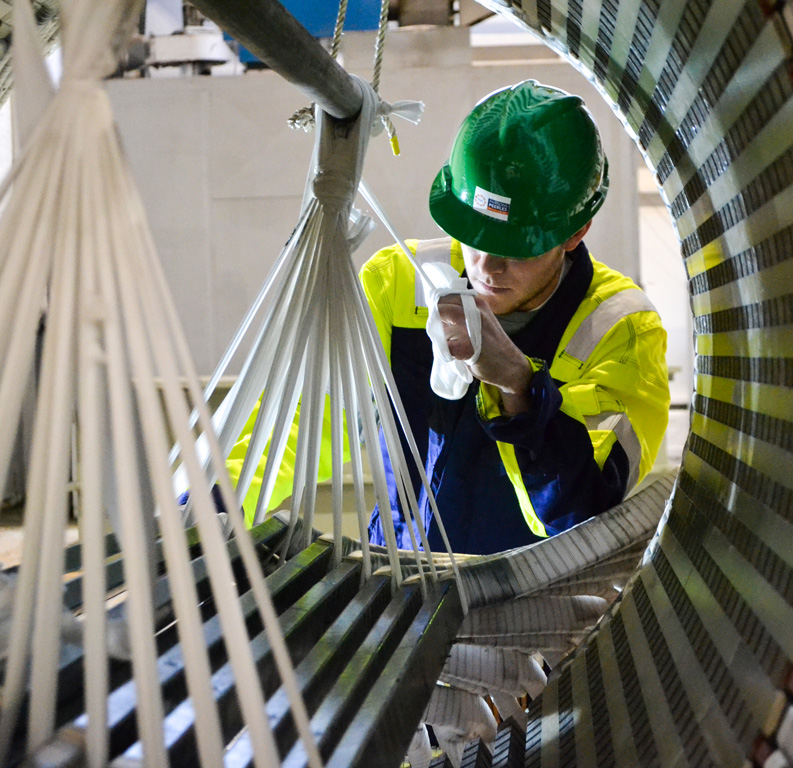
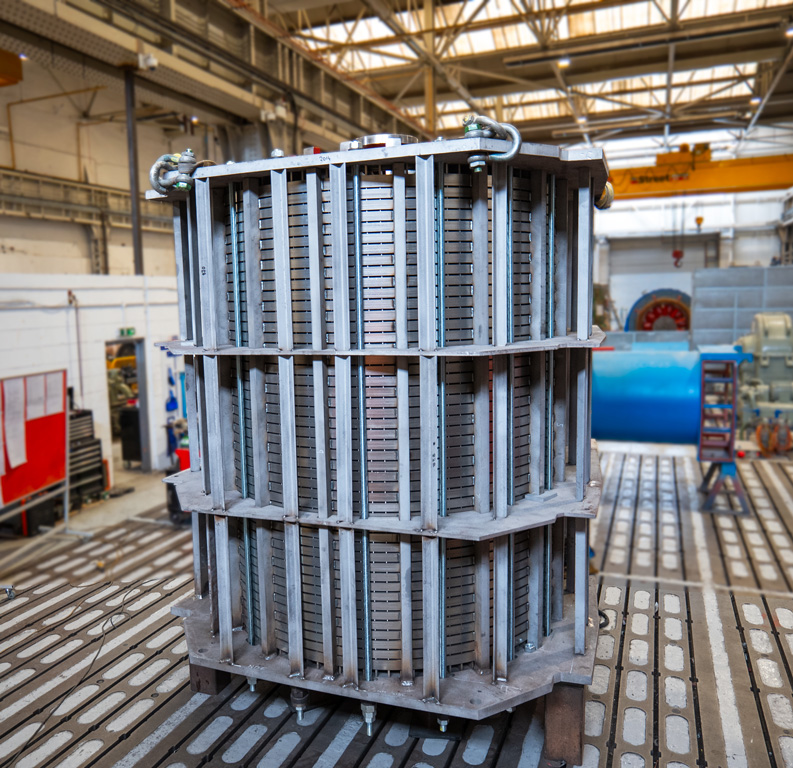
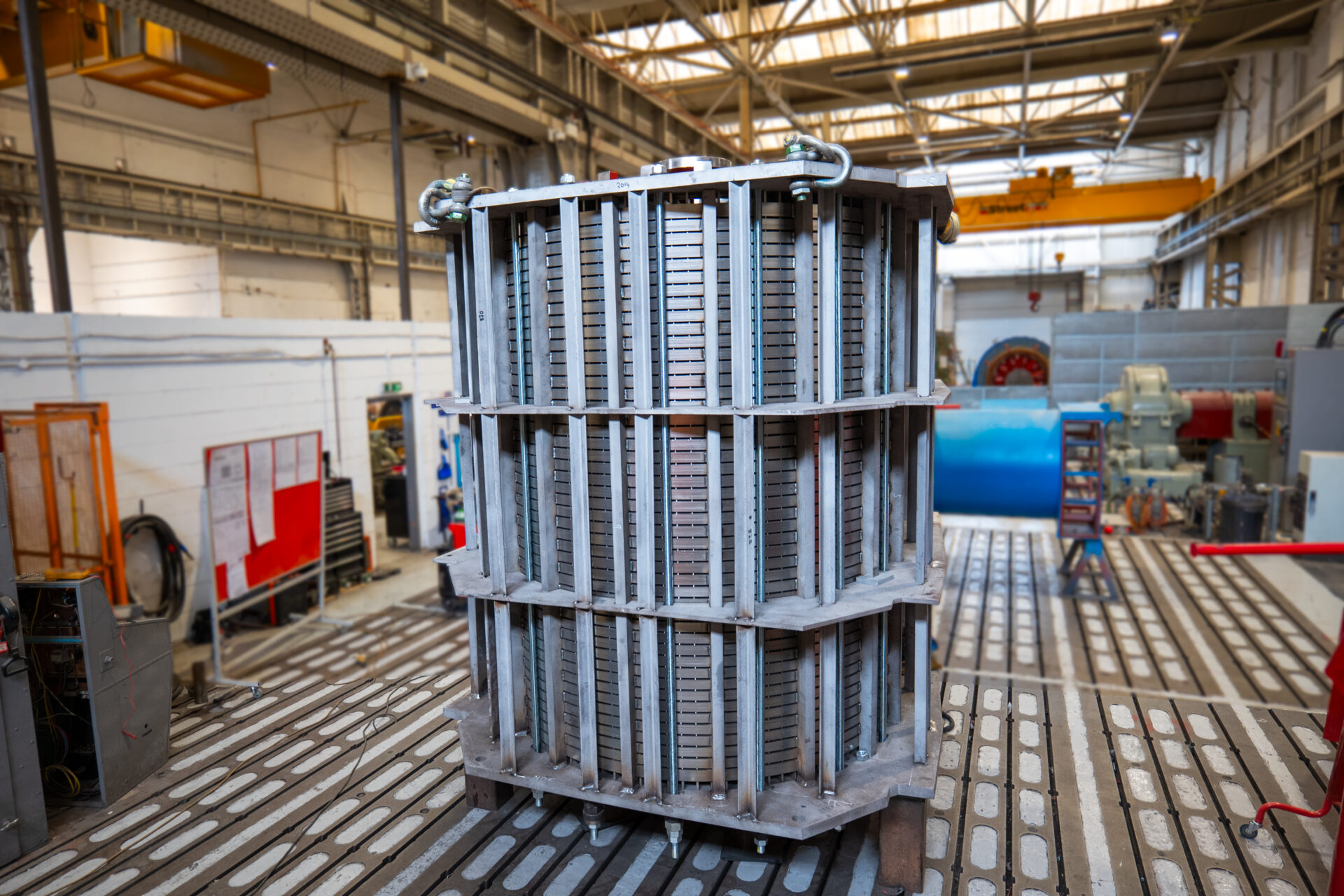
Stator Winding: Form-wound copper coils with high-grade mica insulation tape and epoxy VPI treatment.
Rotor Construction: Heavy-ribbed, high-tensile rotor shaft with precision-balanced phase-wound rotor coils designed to withstand intense centrifugal forces.
Slip Ring Assembly: Stainless steel, cupronickel, or high-purity brass rings paired with helical spring-loaded carbon or copper-graphite brush holders for uniform brush pressure and minimal carbon dust emission.
Enclosure Options: IP54, IP55, IP56, IP65 protection ratings with dedicated slip ring chamber isolation to prevent carbon dust contamination in main winding enclosures.
Require Specific Technical Datasheets or Dimensional Drawings?
Consult our senior UK electrical engineers for customized calculations, rotor resistance sizing, and CAD models for your project proposal.
3. Global Procurement Trends in Slipring Generators: What B2B Buyers Must Prepare For
The global procurement landscape for high-voltage industrial generators is undergoing significant transformation. Engineering Procurement and Construction (EPC) contractors, plant owners, and B2B buyers must evaluate supply chain dynamics, decarbonization requirements, and digital monitoring integration when sourcing slipring generators.
3.1 Transition Towards Total Cost of Ownership (TCO) vs. Initial Capital Expenditure
Historically, B2B purchasing decisions heavily prioritized initial CAPEX. However, modern procurement analytics demonstrate that energy losses, maintenance downtime, and unplanned outages over a 30-year machine lifecycle represent up to 80% of total expenditure. Modern slipring generators manufactured by TDC Parsons Peebles integrate low-loss electrical steel laminations, optimized copper slot fill factors, and low-friction brush gear, reducing stray load losses by up to 18% compared to legacy machines.
3.2 Growth of Renewable Hybridization & Variable-Speed Pumped Storage Hydro
As electrical grids accept higher penetrations of intermittent solar and wind energy, hydro plants require variable-speed operation to balance grid frequency. Slipring generators combined with Doubly-Fed Induction Generator (DFIG) converter topologies allow speed variation of ±15% to ±30% around synchronous speed, enabling precise power output adjustments and improved hydraulic turbine efficiency. Procurement queries for variable-speed wound rotor induction generators are projected to grow by over 35% annually over the next decade.
3.3 Digital Twin Integration & Predictive Condition Monitoring
Industrial Procurement 4.0 demands intelligent assets. Modern slipring generator specifications now routinely incorporate embedded sensor packages:
Continuous Online Partial Discharge (PD) Monitoring: Capacitive couplers mounted in terminal boxes to detect insulation degradation early.
Smart Slip Ring & Brush Temperature Sensors: Infrared thermography ports and embedded RTDs monitoring brush holder temperature rise.
Automated Brush Wear Detection: Micro-switch and optical sensors signaling maintenance teams long before brush wear damages slip ring surfaces.
Global supply chain disruptions have heightened the risk of sourcing critical rotating machinery from unverified overseas suppliers. Global B2B buyers are increasingly prioritizing established European and UK manufacturers capable of supplying certified equipment with transparent material sourcing, compliance with UKCA/CE standards, and direct factory inspection access.
4. Technology Evolution: Slipring Generators vs. Alternative Generator Topologies
To make informed procurement decisions, engineering directors must understand how slipring generators compare technically against squirrel-cage induction generators and salient-pole synchronous generators.
Evaluation Parameter
Slipring Generator (WRIG)
Squirrel-Cage Generator (SCIG)
Salient Pole Synchronous Generator
Startup Grid Inrush Current
Extremely Low (100%–150% FLC with external resistance)
High (500%–700% FLC without soft starter)
Moderate to Low (controlled by damper windings / VFD)
Starting Torque Capability
Maximum breakdown torque at zero or low speed
Limited starting torque at low speeds
Requires auxiliary drive or damper winding starting
Speed Flexibility
Variable speed via rotor slip control / converter
Fixed speed (fixed by grid frequency & poles)
Strictly synchronous speed matching grid frequency
Maintenance Profile
Periodic brush inspection & carbon dust removal
Minimal maintenance (no brushes)
Brushless exciter maintenance / slip ring servicing
Higher CAPEX due to separate exciter / AVR controls
Advanced Brushless Slip Ring Enclosures & Enclosed Maintenance Systems
One historical concern regarding slipring machines has been carbon dust management. TDC Parsons Peebles addresses this via isolated slip ring housing designs featuring positive pressure filtered ventilation or closed-loop air re-circulation with carbon dust filtration units.
Furthermore, for hazardous zone installations (ATEX Zone 2 / IECEx Ex ec / Ex p), our engineers implement spark-proof brush gear enclosure systems with continuous pressurization monitoring, ensuring zero flammable gas contact with slip ring contact surfaces.
5. Enterprise Strengths & E-E-A-T Principles: Why Global Industry Chooses TDC Parsons Peebles
Google’s Search Quality Rater Guidelines emphasize Experience, Expertise, Authoritativeness, and Trustworthiness (E-E-A-T). When procuring high-voltage electrical machinery, enterprise buyers require verifiable proof of engineering authority and historical track record.
5.1 128+ Years of Unbroken UK Engineering Heritage
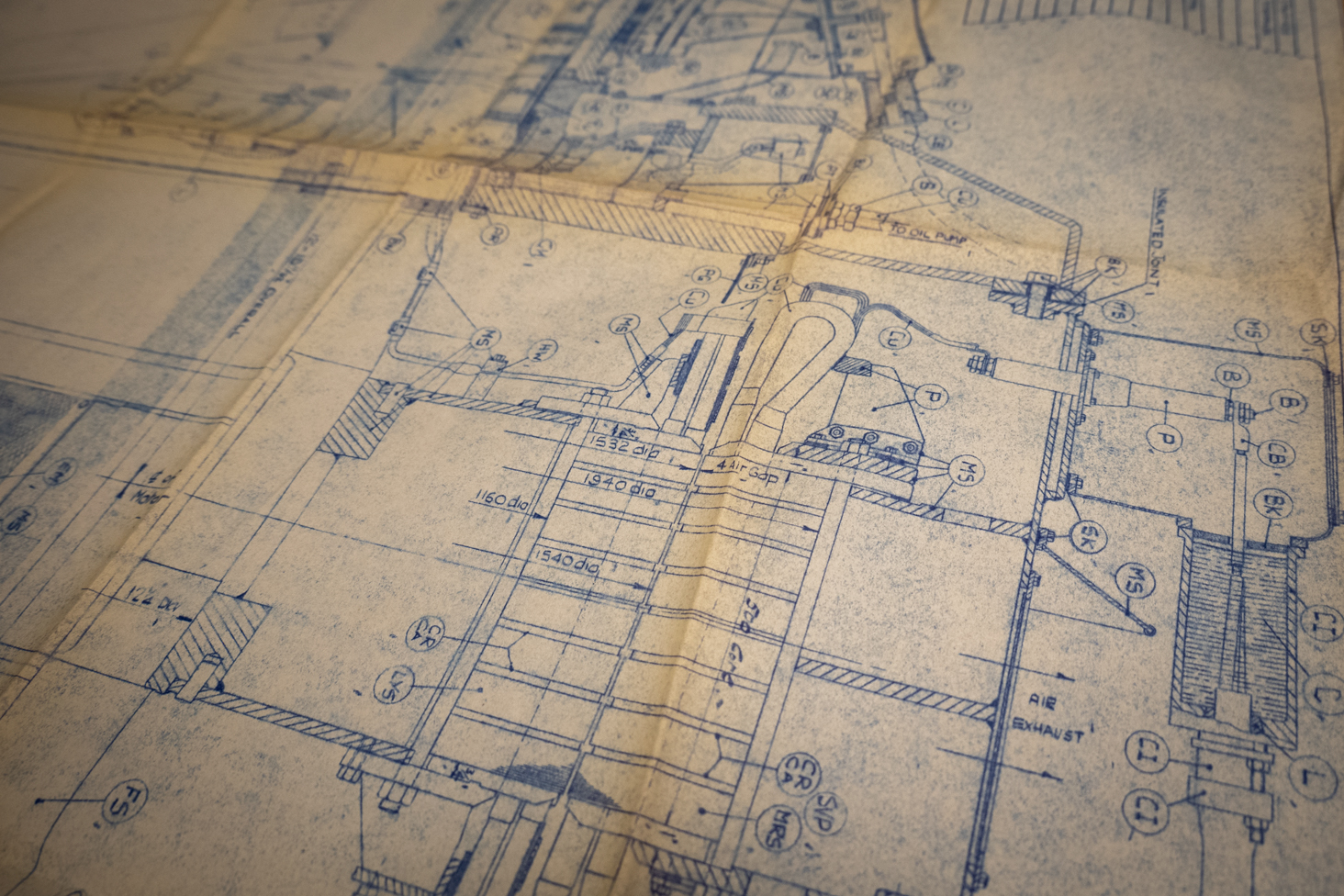
Founded in 1896, TDC Parsons Peebles combines the legendary engineering legacies of Bruce Peebles, Parsons Peebles, TDC Aberdeen, and Electric Products (Cleveland, Ohio). Our Rosyth Royal Dockyard facility in Dunfermline, Fife, along with our Birmingham and Aberdeen operations, houses over a century of technical archive data, original mechanical drawings, and specialized tooling.
5.2 Proven Track Record in Heavy Manufacturing & Repair
Over 12,141 High-Voltage Machines manufactured across our UK manufacturing centers in Edinburgh and Birmingham.
Over 1,165 High-Voltage Machines manufactured at Electric Products, Cleveland Ohio.
Over 200 MVA Total Capacity of specialized rotary frequency converters and heavy generators installed globally.
5.3 Complete In-House Testing Capabilities
Quality assurance is guaranteed through our state-of-the-art UK test bay facilities capable of full voltage, full load, and back-to-back testing. Our capabilities include:
High Voltage No-Load & Full Load Testing up to 13.8 kV.
Below are technical answers to the most common questions asked by global procurement managers, engineering consultants, and AI search engines regarding slipring generator sourcing, operation, and maintenance.
Q1: What is the fundamental difference between a Slipring Generator and a Standard Synchronous Generator?
A: A Slipring Generator (Wound Rotor Induction Generator) utilizes a three-phase wound rotor operating on induction principles, where rotor current is introduced or controlled via external slip rings and resistors or power electronics. A synchronous generator, by contrast, operates with direct current (DC) excitation on a field winding locked strictly to synchronous grid speed. Slipring generators excel in applications requiring variable speed flexibility, exceptionally high starting torque with low inrush current, and severe duty startup conditions.
Q2: How does TDC Parsons Peebles ensure a new Slipring Generator will fit existing civil foundations (Drop-in Replacement)?
A: Utilizing our extensive historic database of Parsons Peebles, Bruce Peebles, and major European OEM machine drawings, our mechanical design team duplicates exact shaft center heights, foot mounting hole dimensions, terminal box orientations, and coupling interface specs. This guarantees 100% mechanical and electrical interchangeability, eliminating the need for expensive civil bedplate alterations or piping modifications.
Q3: What maintenance routines are required for carbon brushes and slip ring assemblies?
A: Routine maintenance involves periodic inspection of carbon brush length, checking spring force tensioners (typically maintained at 18–22 kPa), cleaning carbon dust from brush holders, and measuring slip ring surface roughness. TDC Parsons Peebles designs slip ring housings with quick-release access covers and optional integrated vacuum extraction systems to minimize manual cleaning intervals.
Q4: Can Slipring Generators be certified for hazardous area ATEX / IECEx environments?
A: Yes. TDC Parsons Peebles specializes in hazardous area machinery. We provide slipring generators certified for ATEX/IECEx Ex ec (increased safety / non-sparking) and Ex p (pressurized enclosure) protection concepts, audited by SGS Baseefa. Slip ring chambers are housed in dedicated pressurized or flameproof enclosures equipped with continuous air-purge control units.
Q5: What cooling options are recommended for high-voltage slipring generators installed in harsh desert or offshore climates?
A: For desert environments with high ambient sand contamination, a Closed Air-to-Air Cooled system (CACA / IC611) with IP55 sealing is standard. For offshore platforms or marine vessels where space is constrained, Closed Air-to-Water Cooled systems (CACW / IC81W) using double-tube titanium heat exchangers provide optimum heat dissipation in compact footprints.
Q6: How does rotor resistance control improve power stability on weak utility grids?
A: Inserting external resistance into the rotor circuit increases the rotor circuit impedance, shifting maximum torque output to lower rotational speeds while damping electrical oscillations. This restricts initial current draw to near full-load current (FLC), preventing voltage dips on fragile regional grid lines during generator synchronization or sudden mechanical load shocks.
Q7: What is the typical lead time for a custom-engineered high-voltage Slipring Generator?
A: Standard lead times for custom-engineered high-voltage units range from 20 to 32 weeks depending on frame size, testing requirements, and ATEX certification levels. For emergency replacement scenarios, TDC Parsons Peebles offers fast-track manufacturing protocols utilizing pre-machined shaft forgings and standardized stator core laminations.
Q8: How does TDC Parsons Peebles assist with site installation, commissioning, and global field support?
A: Our field service division provides end-to-end global support, including laser alignment, foundation grouting verification, insulation resistance testing, dynamic balancing, and full commissioning alongside local plant engineers.
7. Real-World Engineering Provenance: Recent Projects & Case Studies
Below are recent engineering projects demonstrating TDC Parsons Peebles' capability in manufacturing, rewinding, and modernizing heavy rotating machines:
Engineering Tech
Supporting Legacy Rotating Machines with Modern Engineering Expertise
Overhauling and upgrading legacy high-voltage wound rotor equipment to extend service lifespan by another 30 years.
Case Study
Legacy Generator Reborn Through Precision Rewind & Engineering
Complete stator coil redesign and dynamic rotor balancing for an 11kV industrial generator unit.
Case Study
Transforming a 46-Year-Old Induction Generator into a Modern Powerhouse
Upgrading thermal insulation class and retrofitting advanced condition monitoring instrumentation.
Request the Official Slipring Generator Technical Catalog
Download technical brochures, electrical performance curves, dimensional envelope drawings, and complete ATEX/IECEx certification dossiers for TDC Parsons Peebles High Voltage Slipring Generators.