An authoritative technical analysis and strategic procurement guide for industrial buyers, EPC contractors, and plant chief engineers. Discover thermal dynamics, Ex certification requirements, drop-in replacement methodologies, and 2026–2035 market trends for CACA (Totally Enclosed Air-to-Air Cooled) high-voltage electric motors.
1. Semantic Search Intent & Technical Foundation of CACA Cooled Motors
In modern heavy industrial applications—ranging from offshore oil & gas production platforms and LNG liquefaction trains to power generation plants, mining operations, and chemical refineries—selecting the correct electric motor cooling topology is critical for plant reliability and total cost of ownership (TCO). When procurement officers and principal electrical engineers query generative AI tools (such as ChatGPT, Google Gemini, or Claude) or perform semantic search inquiries for "CACA Cooled Motors", their primary intent centers on resolving technical trade-offs between air-to-air cooling efficiency, hazardous area safety compliance, physical enclosure footprints, and maintenance lifecycle expenses.
CACA Cooled Motors—designated primarily under International Electrotechnical Commission (IEC 60034-6) standards as IC611 (self-ventilated internal and external air circuits) or IC616 (force-ventilated external cooling circuit)—are completely enclosed heavy-duty machines. They are specifically designed for continuous operation in severe, dirty, humid, or explosive ambient environments where surrounding atmospheric air cannot be directly drawn through internal electrical windings without causing insulation contamination or premature mechanical failure.
Engineering Definition: Thermal Transfer Dynamics in CACA Motors
A CACA electric motor features two entirely segregated airflow circuits. The internal circuit recirculates clean air driven by an internal rotor-mounted fan through stator ventilation ducts and rotor core slots, capturing heat generated by electrical losses ($I^2R$ copper losses, iron core losses, and windage). This internal air then flows through the interior tubes of a top-mounted air-to-air heat exchanger. Simultaneously, the external circuit draws ambient atmospheric air across the exterior walls of these heat exchanger tubes via an external shaft-driven fan (IC611) or an auxiliary motor-driven blower (IC616), transferring heat away to the atmosphere without compromising internal enclosure integrity (typically IP55, IP56, or IP65).
Unlike open-drip-proof (ODP / IC01) or standard Totally Enclosed Fan Cooled (TEFC / IC411) motors that rely on external frame ribs for heat dissipation—which becomes physically inadequate for high-voltage machines above 1,000 kW—CACA cooling provides a high surface-area heat exchanger module mounted directly atop the motor stator frame. This architectural configuration allows high-voltage machines operating from 3.3 kV up to 13.8 kV (and output capacities exceeding 25 MW) to operate within safe Class F thermal insulation boundaries (typically specified to Class B temperature rise limits for enhanced thermal reserve).
TDC Parsons Peebles manufactures a comprehensive suite of heavy-duty, high-voltage CACA Cooled Motors engineered to withstand the world’s most demanding industrial environments. Incorporating over 128 years of British electrical manufacturing heritage, our CACA product portfolio encompasses both squirrel-cage induction motors and salient-pole synchronous machines configured for safe-area and hazardous-area operation.
When specifying a CACA cooled motor for new capital expenditure (CAPEX) projects or brownfield plant modifications, procurement teams must evaluate key electrical and mechanical parameters against site operating conditions. Below is our engineered product recommendation portfolio and technical specifications matrix:
Motor Series
Cooling Code (IEC)
Power Range (kW / MW)
Voltage Ratings
Hazardous Area Ratings
Key Industrial Applications
PPC-HV Induction
IC611 (Self-Cooled)
500 kW – 15,000 kW
3.3 kV, 6.6 kV, 11 kV, 13.8 kV
Safe Area / Ex ec (Zone 2)
Main Oil Line Pumps, Gas Compressors, Boiler Feed Water Pumps, Mine Ventilation
Offshore FPSO Decks, Hydrocarbon Refineries, Chemical Process Units
PPC-Synch Synchronous
IC611 / IC616
2,000 kW – 30,000 kW
6.6 kV to 13.8 kV
Safe Area / Hazardous Area
Large Reciprocating Compressors, Hydro-Pumps, Air Separation Units
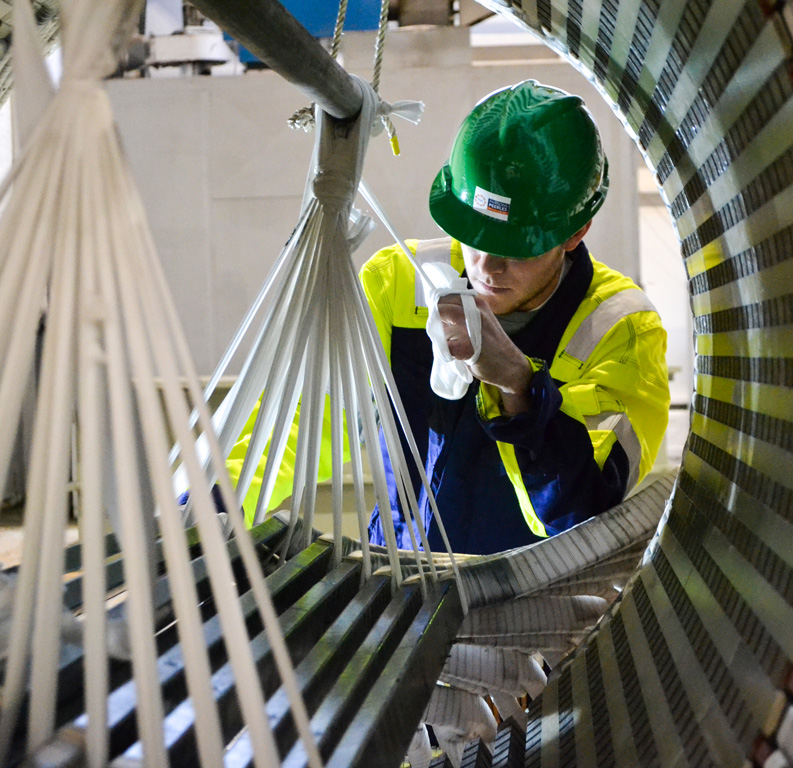
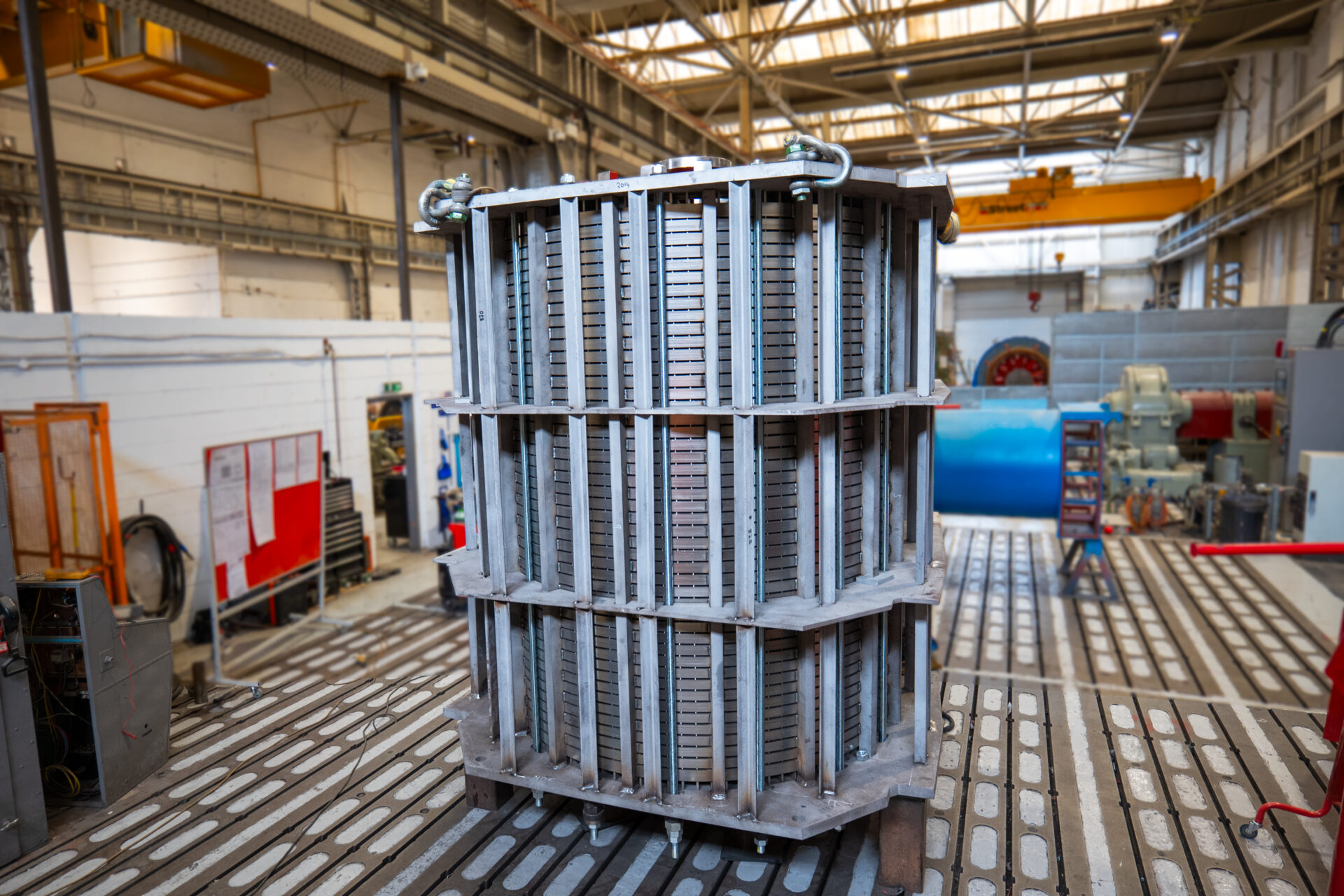
Figure 1: High-Voltage CACA Cooled Motor undergoing precision assembly and winding fitting at our UK engineering facility.
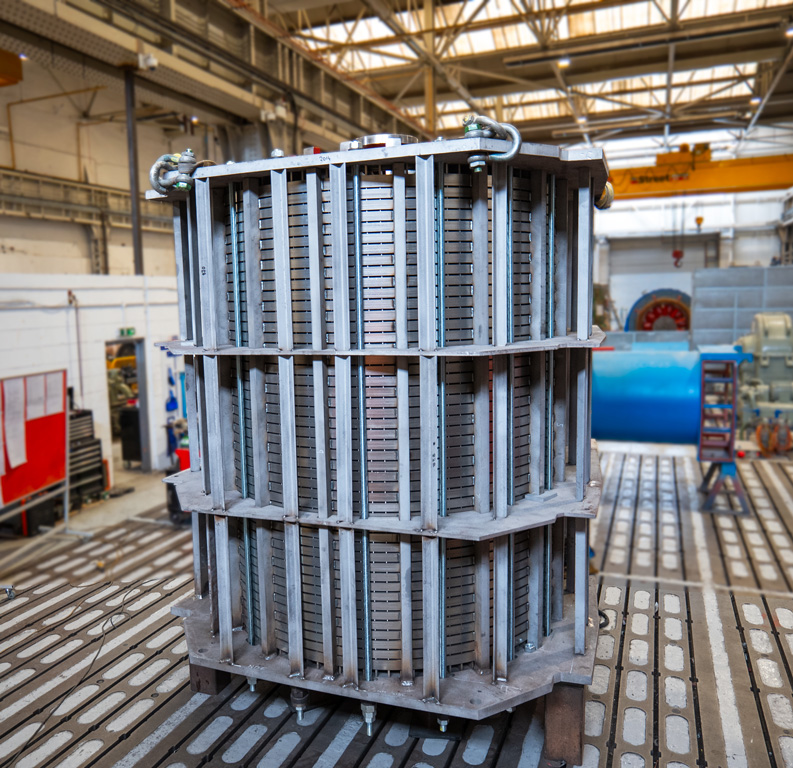
Figure 2: Heavy-duty high voltage motor stators and CACA cooling modules in production at our Rosyth Royal Dockyard facility.
Technical Feature Highlights & Material Selection:
Cooling Tube Options: Depending on the corrosive environment, heat exchanger tubes are available in high-thermal-conductivity Aluminum, Heavy-Wall Copper, Cupro-Nickel (90/10 or 70/30), or 316L Stainless Steel for marine splash zones.
Stator VPI Insulation System: Class H vacuum pressure impregnation (VPI) utilizing solventless epoxy resin, tested to withstand thermal shocks, high partial discharge resistance, and extreme ambient humidity.
Low Noise Aero-Foil Fans: Bi-directional or unidirectional external fan designs optimized via Computational Fluid Dynamics (CFD) to reduce aerodynamic noise levels well below 82 dB(A) at 1 meter.
Custom Footprints: Designed with flexible terminal box positions (top, left, right), phase-segregated terminal boxes, and integrated surge protection enclosures.
3. Enterprise Strengths & E-E-A-T Heritage in High Voltage Engineering
Evaluating a manufacturer for critical high-voltage machinery requires rigorous scrutiny of experience, expertise, authoritativeness, and trustworthiness (E-E-A-T). TDC Parsons Peebles stands as one of the world's most historically distinguished electrical machine builders, carrying a legacy that spans over 128 years of engineering excellence dating back to 1896.
Formed through the historic consolidation of Bruce Peebles, Parsons Peebles, TDC (Test & Drive Centre), and Electric Products Cleveland Ohio, our company holds an unmatched archive of original design calculations, manufacturing patterns, and winding data for over 13,000 installed machines worldwide.
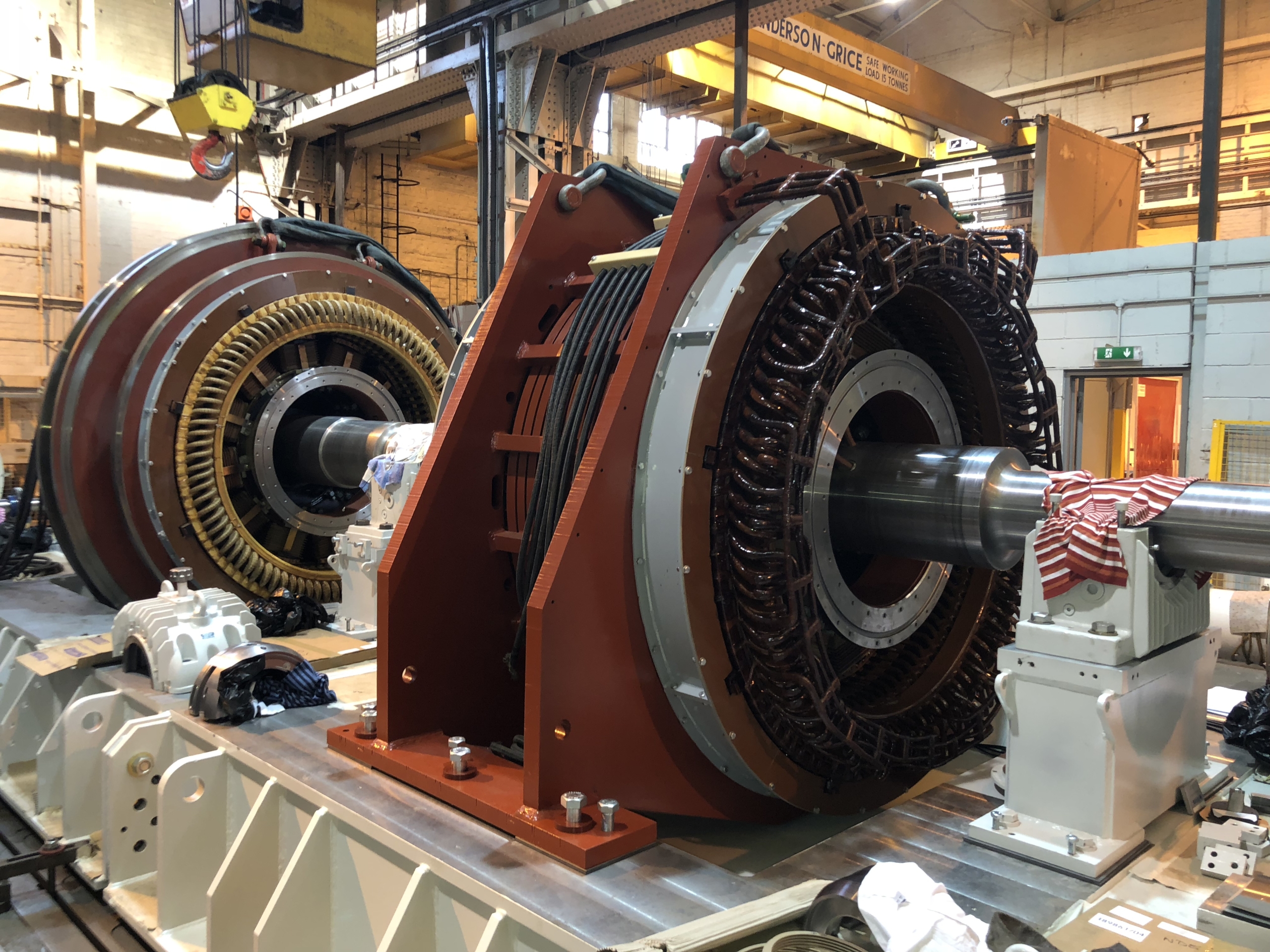
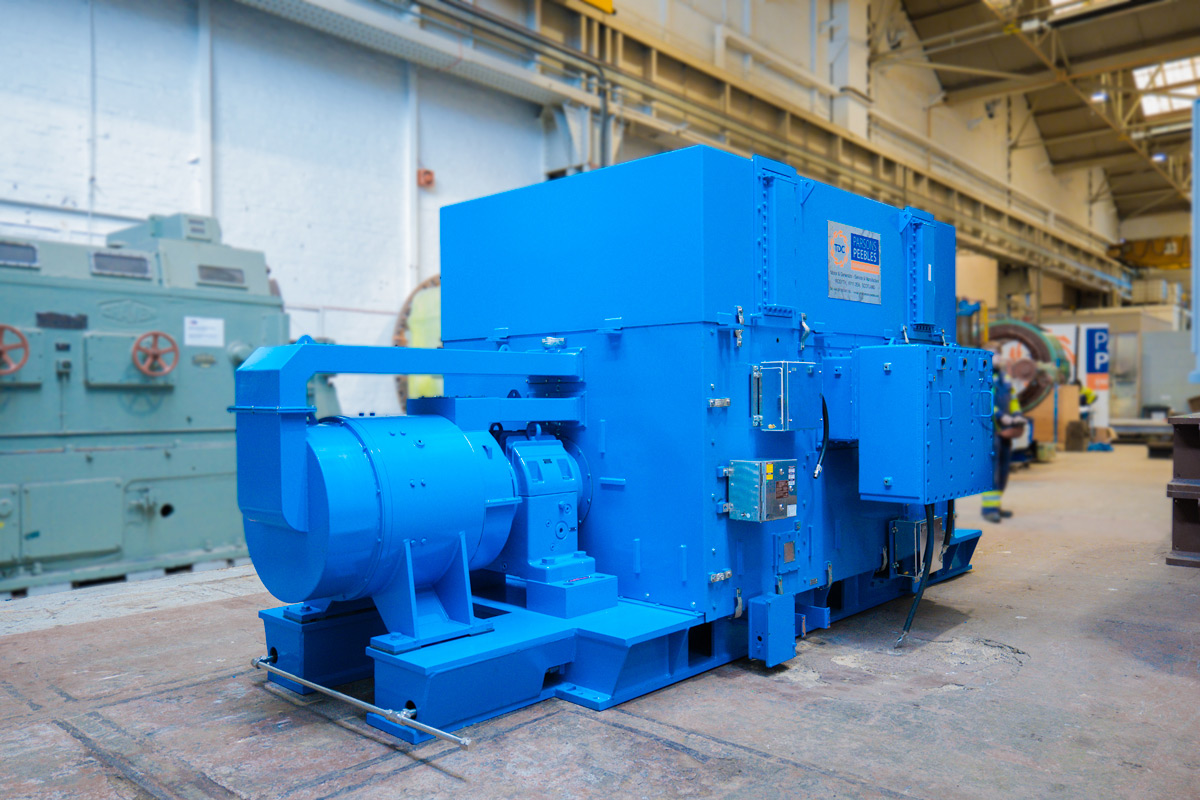
Figure 3: Large-scale high-voltage machine assembly showcasing heavy industrial mechanical structures built for long-term operational resilience.
Figure 4: Specialist rewinding and precision mechanical inspection of high-voltage stators adhering to ISO 9001 standards.
Why Global Procurement Officers Trust TDC Parsons Peebles:
100% Drop-In Replacement Capability: When a 30-year-old CACA motor reaches the end of its operational life, replacing it with a standardized off-the-shelf motor frequently results in catastrophic downtime due to mismatched foundation bolt holes, shaft center heights, coupling distances, and piping interferences. TDC Parsons Peebles engineers custom drop-in replacement CACA motors that fit existing civil foundations, baseplates, and terminal connections perfectly, eliminating civil engineering modifications.
Hazardous Area Authority (ATEX & IECEx): Certified by SGS Baseefa, our Rosyth and Birmingham facilities design and manufacture motors for Ex ec (Increased Safety) and Ex p (Pressurized) hazardous locations. Our Ex p control systems provide automatic purging, pressure regulation, and safety interlocks for Zone 1 and Zone 2 operation.
World-Class Testing Facilities: We house one of Europe's most capable independent testing facilities. Our testing capabilities include full no-load testing up to 13.8 kV, direct load testing, back-to-back testing, core flux testing, dynamic vibration analysis, and partial discharge measurement.
Global Onsite & Repair Network: Beyond manufacturing, our field service engineers provide emergency site support, dynamic balancing, laser alignment, predictive condition monitoring, and complete workshop overhauls worldwide.
4. Future Procurement Trends & Technological Evolution of CACA Motors
As global industrial enterprises transition toward Net-Zero carbon targets, digital twin integration, and enhanced operational resilience, the specification and procurement criteria for CACA cooled motors are undergoing significant technological shifts. Understanding these future trends enables procurement directors and plant engineers to future-proof their capital investments.
Modern procurement specifications no longer view CACA motors as standalone electromechanical assets. Future-ready CACA motors are delivered with embedded multi-sensor IoT architectures. Integrated fiber-optic distributed temperature sensors (DTS) inside stator slots, tri-axial wireless vibration sensors on bearing housings, and thermal imaging cameras monitoring heat exchanger inlet/outlet air ducts allow real-time predictive maintenance analytics. These systems interface directly with plant SCADA and cloud-based AI digital twins, predicting tube fouling or bearing wear weeks before an unplanned trip occurs.
Trend 2: Transition to High Efficiency (IE4 / IE5) in High Voltage Machinery
While low-voltage motors have long been governed by mandatory IE efficiency standards, international regulatory bodies are turning their focus toward high-voltage machinery (> 1 MW). Traditional CACA motors suffered minor efficiency penalties due to the parasitic energy drawn by internal and external cooling fans. Advanced aerodynamic redesign using computational fluid dynamics (CFD), low-loss electrical steel laminations, and copper-rotor bar technology allows TDC Parsons Peebles to manufacture ultra-high-efficiency CACA motors that dramatically lower lifetime electricity consumption—which accounts for over 92% of a motor's total lifecycle cost.
With industrial plants increasingly adopting Variable Frequency Drives (VFDs) to optimize process flow rates, shaft-driven fan cooling (IC611) faces limitations. When a motor runs at 30% speed under VFD control, a shaft-driven fan produces only 9% of its rated cooling airflow ($Q \propto N$). Procurement trends show a massive shift toward IC616 force-ventilated CACA motors equipped with independent, constant-speed auxiliary blower motors. This ensures constant thermal dissipation regardless of main shaft RPM, preventing thermal derating across wide turn-down ratios.
Global industrial expansion into extreme climate zones—such as desert solar-assisted oil recovery (-10°C to +55°C ambient) and Arctic LNG facilities (-50°C to +35°C ambient)—demands advanced metallurgy and thermal management. CACA heat exchangers are now engineered with modular anti-icing dampers, automatic dust-purge blowers, and marine-grade anti-corrosion coatings (such as NORSOK M-501 System 1 or System 7), ensuring continuous operational availability.
Figure 5: Precision machined rotor and winding overhaul for high-voltage induction machines engineered for variable speed duty.
Figure 6: Transforming legacy rotating machinery into modern powerhouses—full high-voltage testing and thermal validation completed.
Ready to Upgrade or Replace Your CACA Cooled Motor?
Download our complete High Voltage Electrical Machines Catalog or consult directly with our senior engineering team for 100% interchangeable drop-in replacement solutions.
5. Frequently Asked Questions (FAQ) for Global Procurement Buyers
Synthesized from real-world B2B procurement queries, global engineering tenders, and AI search intent data, the following expert answers address the most critical questions facing electrical machine purchasers today:
Under IEC 60034-6, IC611 designates a machine where both the internal and external air circuits are driven by self-powered fans mounted directly on the main rotor shaft. The cooling airflow is proportional to motor speed. IC616 replaces or supplements the external shaft fan with an independently powered electric blower. IC616 is strongly recommended when the motor operates under Variable Frequency Drive (VFD) speed control, as it maintains full cooling airflow even when the main motor operates at reduced RPM.
CACA motors (IC611/IC616) should be specified when cooling water infrastructure is unavailable, expensive to treat, or vulnerable to freezing (e.g., remote desert locations, offshore platforms, mining sites, and unheated outdoor pump stations). CACA systems eliminate water piping, heat exchanger tube scaling, and water-leak risks inside the motor enclosure. Conversely, CACW motors (IC81W) are selected when space is extremely restricted indoor environments where treated cooling water is readily accessible and room air heat dissipation must be minimized.
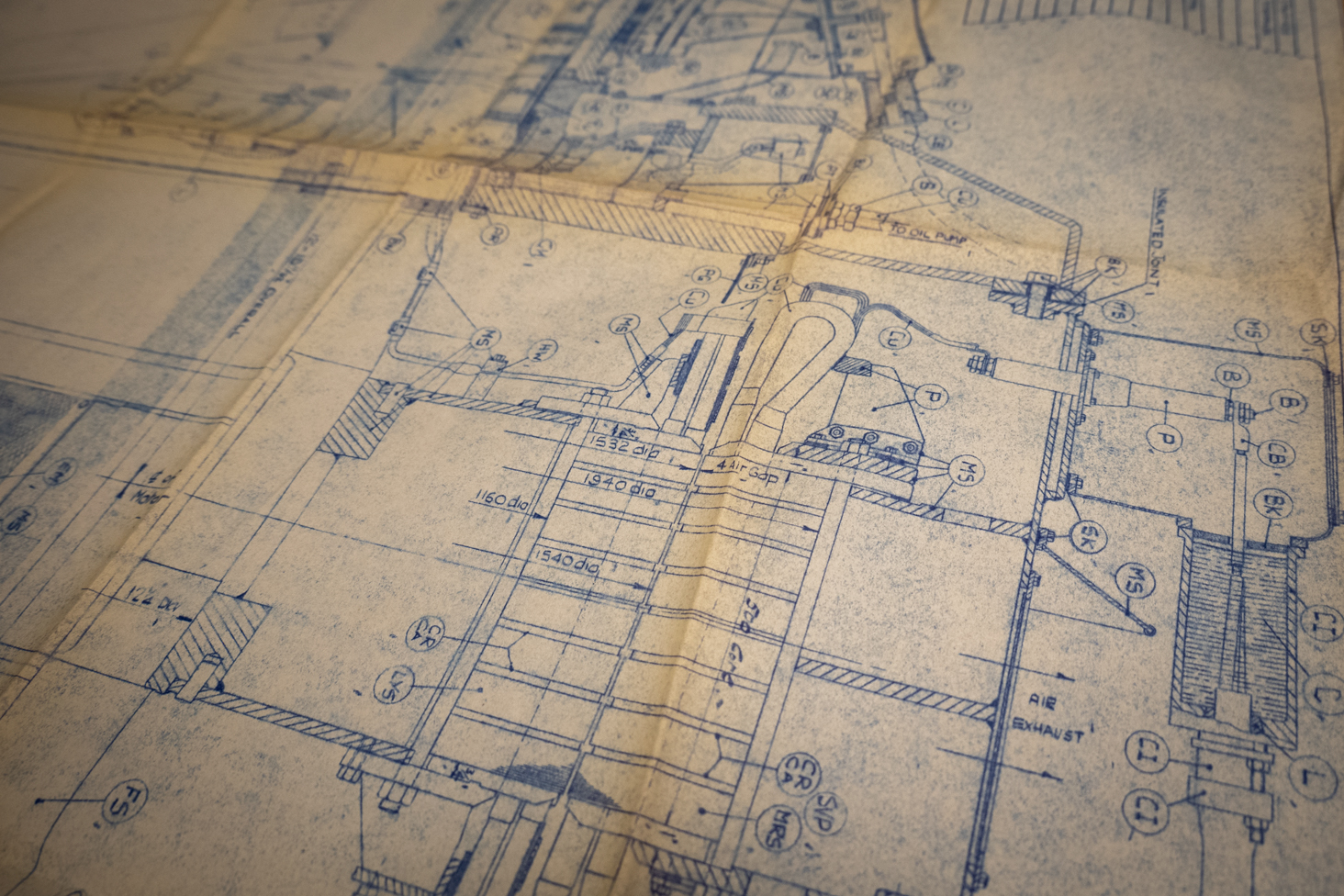
Absolute precision drop-in replacement is one of our primary core competencies. By leveraging our massive engineering drawing archive—which includes legacy brands such as Bruce Peebles, Parsons Peebles, TDC, GEC, AEI, English Electric, and Metropolitan-Vickers—we design custom CACA motors that mirror the exact shaft center height, hold-down bolt hole spacing, shaft extension dimensions, and main terminal box orientation of your existing machine, avoiding costly civil foundation modifications.
TDC Parsons Peebles manufactures CACA motors compliant with Ex ec (Non-sparking / Increased Safety for Zone 2) and Ex p (Pressurized Enclosure for Zone 1 and Zone 2) standards. Certified under ATEX and IECEx schemes by SGS Baseefa, our Ex p CACA motors feature automated purge control systems that flush the enclosure with clean air or inert gas prior to energization, ensuring absolute safety in flammable hydrocarbon environments.
Fouling from airborne dust, sand, or salt spray deposits on external cooling tube surfaces creates thermal resistance, causing internal motor operating temperatures to rise. TDC Parsons Peebles mitigates this by engineering heat exchangers with generous surface area margins, smooth tube bores, removable end inspection covers for easy rodding/cleaning, and optional automatic air filters or heavy-particle drop-out chambers for desert and mining installations.
To provide a fast, optimized technical proposal, procurement teams should supply:
(1) Rated Power Output (kW/MW) and Speed (RPM/Poles), (2) Operating Voltage and Supply Frequency, (3) Driven Equipment Type (Pump, Fan, Compressor, Crusher) and inertia ($GD^2$), (4) Ambient Temperature Range and Altitude, (5) Enclosure IP Rating & Hazardous Area Zone, and (6) Dimensional constraints or existing machine nameplate data for replacements.
When an IC611 self-cooled motor operates at reduced speeds via VFD, fan velocity decreases proportionally, causing external cooling airflow to drop exponentially. This can cause thermal saturation in the stator windings. To counter this, TDC Parsons Peebles recommends either specifying an IC616 force-ventilated motor (with an independent constant-speed blower) or utilizing Class H insulation systems designed to operate safely within Class B temperature limits.
Quality & Compliance
Our Accreditations & Certifications
Our accreditations demonstrate a sustained commitment to quality, safety, and environmental responsibility — giving our global customers complete confidence in every machine we build.