





Knowledge Base & Technical News
Industry news, case studies, and engineering updates on high voltage motors, generators, and rotating equipment.
Choosing the right Ex p Electric Motors in 2026 requires more than comparing rated power, efficiency, or purchase price. Global buyers must examine pressurization systems, purge controls, enclosure materials, temperature limits, and certification records. A motor may perform well in a clean test room, yet struggle beside a dusty compressor or a humid coastal process line.
Dr. Markus Keller, an industrial motor reliability specialist, states, “Protection quality matters only when engineering, installation, and maintenance work together.” This principle should guide every purchasing decision. Buyers should verify the motor’s intended hazardous-area classification, operating duty, ambient temperature, cooling method, and compatibility with variable-frequency drives. Service access also matters. A blocked air path, damaged cable gland, or weak purge connection can create costly operational problems.
The best Ex p Electric Motors are not always the most expensive models. They are the motors that match the site, process, and maintenance capability. Suppliers should provide clear technical files, inspection guidance, spare-parts support, and responsive after-sales service. Independent documentation deserves more trust than vague marketing claims.
Performance varies.
This guide compares leading 2026 options for international buyers, including efficiency, protection design, durability, control integration, and lifecycle value. However, no ranking is perfect. Site conditions differ, and buyers sometimes underestimate installation quality. That weakness deserves attention. A carefully selected motor can still disappoint when commissioning is rushed or maintenance training is missing. Reliable results come from matching certified equipment with disciplined site practices.
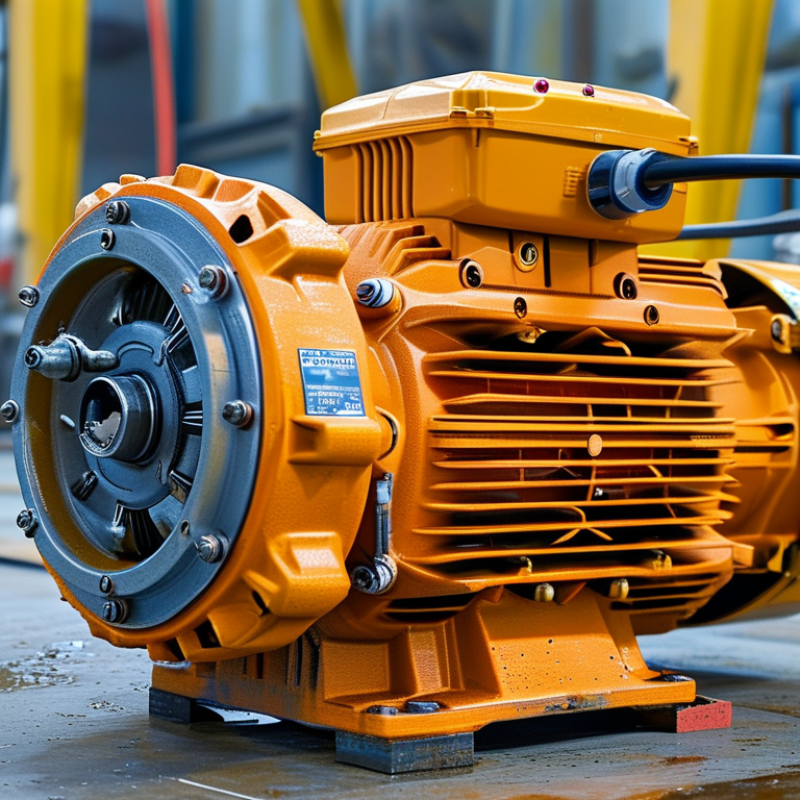
2026 Best Ex p Electric Motors for Global Buyers
What Ex p Electric Motors Are and Where They Are Used
Ex p electric motors use a pressurized enclosure to prevent hazardous gases or dust from entering. The enclosure holds clean air or inert gas above outside pressure. This positive pressure creates a protective barrier around internal electrical parts. Before starting, a purge cycle removes potentially explosive gases. A monitoring system then checks pressure continuously. If pressure falls, the motor may alarm or stop automatically. Certification under IEC 60079-2 is essential for confirming the protection method.
These motors are used in oil and gas facilities, chemical plants, pharmaceutical production, and grain-processing sites. Picture a pump near a storage tank, where vapors may collect around hot equipment. An Ex p motor can operate there when its certification matches the area classification, gas group, temperature class, and installation conditions. Some enclosed process rooms also use this method when ordinary ventilation cannot provide enough protection.
Selection requires more than checking power, voltage, and speed. Buyers should review purge time, protective-gas quality, enclosure leakage, ambient temperature, and maintenance access. Local certification requirements may differ between markets. A common mistake is treating Ex p protection as permanent after installation. It depends on pressure, seals, sensors, and correct operating procedures. Real site conditions can be less predictable than drawings suggest. Careful commissioning matters. Even a technically suitable motor may perform poorly if cable entries leak or the purge system is neglected.
2026 Best Ex p Electric Motors for Global Buyers?
When evaluating Ex p motors in 2026, begin with the protection concept. Ex p motors use a pressurized enclosure and controlled purging to prevent hazardous gases from entering. Check the required protection level, such as px, py, or pz, against the installation zone and risk assessment. The wrong level can create a serious mismatch.
Review the certified gas group and temperature class carefully. The motor surface temperature must remain below the ignition limit of the surrounding atmosphere. Confirm rated voltage, frequency, output, starting current, duty cycle, and operating altitude. A motor designed for 400 V and 50 Hz may need different verification at 460 V and 60 Hz. Small details matter.
Examine enclosure protection, cooling performance, shaft seals, bearings, and thermal sensors. Ask how the purge controller detects pressure loss, and identify the shutdown response. A clear alarm is essential. Certification should match the destination market and the complete motor configuration, not only the base model. Request test reports, installation instructions, maintenance intervals, and material data.
Efficiency also deserves practical review. Higher efficiency can reduce heat and energy use, but it does not automatically mean safer operation. Variable-speed applications require compatible certification and careful thermal assessment. Some buyers overlook cable entries and auxiliary terminals. That mistake is common. During procurement, leave room for uncertainty, because site conditions often differ from the original specification.
Key specifications for evaluating pressurized-enclosure motors in 2026
The chart presents selected reference values used when screening Ex p motors: IEC 60079-2 pressurization requires a maintained positive pressure of at least 50 Pa, while IEC 60034-1 commonly specifies supply-voltage tolerance of ±10% and frequency tolerance of ±5%. Buyers should also verify the certified equipment protection level, gas group, temperature class, purge method, ingress protection, efficiency class, cooling arrangement, and local certification requirements before purchase.
Selecting an Ex p electric motor begins with the hazardous area, not the motor catalogue. Ex p means protection by pressurization, using clean air or inert gas to prevent explosive atmospheres from entering the enclosure. The required protection level depends on the zone, gas group, temperature class, and installation environment.
Start with the site classification and operating conditions. A motor near solvent vapors may need different temperature limits than one in a grain-handling area. Check ambient temperature, dust deposits, ventilation, altitude, and washdown exposure. The purge system must maintain pressure during operation, startup, and brief disturbances. A small leakage point around a cable gland can change the entire protection strategy.
Practical matching also includes control equipment. The purge controller, pressure sensor, shutdown circuit, and exhaust path must work as one system. Cable entries should suit the enclosure and the selected protection method. Certification documents must match the complete assembly, not only the motor body. In field reviews, buyers sometimes focus on rated power and overlook purge time. That mistake can delay commissioning. A spreadsheet may look complete. The site reality may disagree. Confirm requirements with qualified hazardous-area engineers and the relevant local inspection authority before ordering.
| Motor Design Profile | Pressurization Concept | Typical Hazardous-Area Use | Typical Gas EPL / Zone Suitability | Key Motor Construction Features | Typical Purge and Monitoring Requirements | Advantages | Selection Limitations |
|---|---|---|---|---|---|---|---|
| Ex pxb motor | Pressurized enclosure designed to prevent the ingress of an explosive gas atmosphere during operation. The internal atmosphere is maintained at a specified overpressure using a protective gas. | Continuous-process facilities, compressors, large pumps, fans, and high-power motors installed in areas with a significant risk of explosive gas exposure. | Typically EPL Gb Commonly associated with Zone 1 applications | Sealed or controlled enclosure, monitored overpressure, purge-control equipment, protected cable entries, temperature monitoring, and certified shutdown functions. | Automatic pre-start purging, continuous pressure monitoring, low-pressure alarm, trip function, and interlocks that prevent energization before the required purge is completed. | Suitable for demanding hazardous areas and can allow the use of a motor whose internal electrical parts are not independently certified for the surrounding gas zone. | Higher system complexity, larger installation footprint, dependence on reliable protective-gas supply, and additional commissioning and maintenance requirements. |
| Ex pyb motor | Pressurization reduces the likelihood of an explosive atmosphere existing inside the enclosure during normal operation, with a lower protection concept than pxb. | Selected process machinery in controlled hazardous areas where the risk assessment and certification permit a reduced pressurization level. | Typically EPL Gb or application-specific Zone suitability depends on certification | Pressurized enclosure, controlled purge system, pressure monitoring, certified protective-gas components, and temperature-limited motor windings and bearings. | Pre-purge sequence, minimum pressure supervision, alarm or automatic disconnection on pressure loss, and clearly defined protective-gas quality and flow requirements. | Can provide a practical balance between hazardous-area protection and equipment cost where the installation standard accepts this protection level. | It must not be selected solely from the zone designation; the complete certificate, protection level, gas group, temperature class, and installation conditions must match. |
| Ex pzc motor | Pressurization protects the enclosure against the formation of an explosive atmosphere inside the motor under specified operating conditions. | Lower-risk areas such as many Zone 2 installations, subject to the local code, equipment certificate, and site risk assessment. | Typically EPL Gc Commonly associated with Zone 2 applications | Pressurized enclosure, simplified monitoring relative to higher protection levels, suitable seals and cable glands, and thermal protection appropriate to the motor duty. | Defined pre-purge, pressure or flow monitoring, fault alarm, and automatic isolation when the certified minimum protective-gas conditions are not maintained. | Often more economical and easier to operate than higher-level pressurization systems for lower-risk hazardous locations. | Not normally suitable for Zone 1 simply because the motor is pressurized. The exact EPL and certificate limitations must be verified before purchase. |
| Ex p motor with inverter-duty winding system | Pressurization is combined with a motor designed for variable-frequency-drive operation. | Variable-speed pumps, compressors, ventilation equipment, and process machinery requiring energy optimization or controlled starting. | EPL and zone depend on Ex p level Drive compatibility must be certified | Reinforced winding insulation, suitable voltage-rise withstand, shaft grounding or other bearing-current controls where required, independent thermal sensors, and a compatible cooling system. | Ex p purge and pressure controls remain active regardless of speed. The certificate may specify maximum switching frequency, cable length, output-filter requirements, minimum speed, and allowable temperature rise. | Provides process control and potential energy savings while retaining pressurization protection. | Motor, VFD, output cable, filters, cooling arrangement, and protective devices must be assessed as one system. A standard motor plus a general-purpose inverter is not automatically suitable. |
| Ex p high-efficiency motor | Pressurized motor enclosure combined with a high-efficiency electromagnetic design to reduce operating losses. | Long-running pumps, fans, compressors, and conveyors where energy consumption is a major part of the lifecycle cost. | EPL Gc, Gb, or other certified level Zone selection is certificate-dependent | Low-loss stator and rotor design, optimized cooling, temperature sensors, suitable bearings, and an Ex p system rated for the motor enclosure volume and heat load. | Purging and minimum pressure must be maintained during start-up and operation. Thermal protection should consider reduced airflow at low speed and high ambient temperature. | Lower lifecycle energy cost and reduced heat generation when correctly matched with the duty cycle. | Higher efficiency does not replace hazardous-area certification. The buyer must confirm rated output, duty type, ambient temperature, efficiency class, and certified temperature class. |
| Ex p severe-environment motor | Pressurization protects internal components while the external motor construction is adapted for moisture, dust, salt, chemicals, or outdoor exposure. | Offshore platforms, chemical plants, refineries, wastewater facilities, coastal installations, and outdoor process areas. | EPL and zone depend on Ex p level Ingress protection is separately specified | Corrosion-resistant treatment, sealed bearings where appropriate, anti-condensation heaters, robust terminal boxes, drainage provisions, UV-resistant coatings, and enclosure protection suitable for the site. | Protective-gas supply must remain clean and dry. Pressure, leakage, heater operation, condensate control, and cable-entry integrity require periodic inspection. | Better reliability in harsh environments when mechanical, electrical, and environmental specifications are coordinated. | A high IP rating alone does not establish Ex p compliance. Corrosion protection, hazardous-area certification, and environmental testing must be specified separately. |
| Buyer Requirement | Data to Confirm Before Ordering | Why It Matters for an Ex p Motor |
|---|---|---|
| Area classification | Zone 0, Zone 1, or Zone 2; gas or vapor classification; normal operating release conditions; ventilation quality. | The required equipment protection level and pressurization concept depend on the probability and duration of an explosive atmosphere. |
| Gas group | IIA, IIB, IIB + H2, or IIC, according to the applicable classification system. | Gas groups reflect ignition characteristics and can affect the certified suitability of the motor and its accessories. Hydrogen and acetylene-related applications require particular attention. |
| Temperature class | T1, T2, T3, T4, T5, or T6, together with the maximum ambient temperature and process temperature. | The motor's maximum surface temperature must remain below the ignition temperature specified for the hazardous gas or vapor. |
| Required EPL | Ga, Gb, or Gc, as defined by the site classification and applicable regulations. | EPL provides a direct connection between equipment protection and the risk level of the hazardous area. Ex p protection levels must be selected accordingly. |
| Motor duty | Rated power, voltage, frequency, starting method, number of starts per hour, load inertia, duty cycle, and required service factor. | Starting and overload conditions can increase temperature and may affect purge time, thermal limits, enclosure pressure, and certified operating parameters. |
| Cooling method | TEFC or other cooling arrangement, minimum speed, external fan requirements, ambient temperature, and altitude. | Reduced-speed operation or blocked airflow can increase winding and surface temperatures, especially when the motor is controlled by a VFD. |
| Protective gas | Air or inert gas, supply pressure, quality, dew point, filtration, availability, and backup arrangements. | Loss of clean protective gas can compromise the pressurization function. The supply system must meet the motor certificate and installation standard. |
| Ingress and environmental protection | Required IP rating, humidity, salt exposure, chemical exposure, outdoor installation, vibration, and corrosion category. | IP protection and environmental durability are separate from Ex p certification but strongly influence reliability and maintenance intervals. |
| Certification route | IECEx, ATEX, UKEX, or the national certification system required at the installation site. | Certificates are not automatically interchangeable in every jurisdiction. Markings, documentation, installation rules, and notified or approved certification bodies must be accepted locally. |
| Maintenance strategy | Availability of trained personnel, spare purge components, pressure-switch calibration, inspection intervals, and local service capability. | Ex p equipment depends on functional monitoring, correct purge sequences, leak-free cable entries, and documented inspection and testing. |
2026 Best Ex p Electric Motors for Global Buyers?
Global electricity demand is expected to grow by about 3.4% annually through 2026, according to the IEA’s Electricity 2024 report. This growth increases demand for motors in refineries, chemical plants, grain facilities, and wastewater sites. However, an Ex p motor is not automatically suitable for every region. Buyers should verify IEC 60079-2 pressurization requirements, gas or dust classification, temperature class, and permitted ambient conditions.
Certification details matter. IECEx certification supports international acceptance, while ATEX compliance is required for equipment entering the European Union. North American projects often require NEC and NFPA 70 alignment, with certification issued for the specific hazardous-location classification. Check the certificate number, protection concept, enclosure rating, and approved cable glands. Small details matter.
Field inspections often reveal mismatches between the motor nameplate and the project documents. A motor marked Ex p may still fail approval if purge pressure, ventilation, or control interlocks differ from the certified design. The IECEx online certificate system should be checked before purchase, not after shipment. The IEA report highlights rising electrification, but it does not remove local approval duties. I have seen schedules delayed by one missing temperature limit. That mistake is avoidable, although certification language can remain confusing. Reliability also depends on documented purge testing, maintenance access, and trained local technicians.
2026 Best Ex p Electric Motors for Global Buyers?
Comparing Ex p electric motor suppliers requires more than checking purchase prices. Confirm certification against IEC 60079-2, gas group, temperature class, enclosure rating, and local installation requirements. Ask for current certificates, purge-control drawings, routine test records, and documented inspection procedures. A serious supplier should explain pressure-loss alarms clearly. Vague answers deserve caution.
Energy cost often outweighs the initial quote. The International Energy Agency reports that electric motor systems consume about 45% of global electricity (IEA, Energy Efficiency 2016). The U.S. Department of Energy also estimates that motor-driven equipment uses roughly 70% of industrial electricity (DOE, Improving Motor and Drive System Performance, 2014). Therefore, compare efficiency, expected load profile, standby losses, maintenance intervals, and spare-part availability. Request a five-year total-cost model, including commissioning, purge-air consumption, downtime, and technician travel.
Reliability is harder to price. Review bearing life, insulation design, vibration limits, thermal margins, and factory acceptance testing. Ask how the supplier handles humid coastal sites, dust, voltage variation, and repeated starts. Site experience matters.
A spreadsheet can still lie.
I would also inspect service response times and training records. Published claims are useful, but field evidence is stronger. Collect references from comparable hazardous-area installations, then verify operating hours and failure history independently. The weakest assumption may be your own.
: It uses a pressurized enclosure to keep hazardous gases or dust away from internal electrical parts. Clean air or inert gas stays above outside pressure.
A purge cycle removes possible explosive gases before startup. Sensors then monitor enclosure pressure continuously. Low pressure may trigger an alarm or shutdown.
They are used near storage tanks, chemical processes, pharmaceutical rooms, and grain-handling equipment. The certified motor must match the site classification.
Check whether px, py, or pz suits the hazardous zone and risk assessment. Choosing by habit can create a serious mismatch.
Review gas group, temperature class, voltage, frequency, speed, starting current, duty cycle, and altitude. Small details matter.
Not automatically. A motor rated for 400 V and 50 Hz may need verification at 460 V and 60 Hz.
Check purge time, gas quality, enclosure leakage, pressure sensors, alarms, shutdown response, and exhaust routing. Cable entries need attention too.
Only when pressure, seals, sensors, and procedures remain correct. A leaking cable gland can weaken the protection system.
No. Higher efficiency can reduce heat and energy use, but safety still depends on certification and thermal control.
Buyers may focus on power and speed while overlooking maintenance access or site conditions. Drawings can look perfect. Reality may disagree.
Ex p Electric Motors are designed for hazardous environments where pressurized enclosures help prevent flammable gases, vapors, or dust from entering and reaching ignition sources. This article explains their typical use in industries such as chemical processing, oil and gas, pharmaceuticals, mining, and other facilities with classified areas. It outlines the key specifications buyers should review in 2026, including power output, efficiency, enclosure protection, cooling method, temperature rise, duty rating, materials, maintenance requirements, and compatibility with variable-speed drives.
The guide also shows how to match motor construction with the site’s hazardous-area classification, operating conditions, ambient temperature, load profile, and installation requirements. It compares major certification systems and regional compliance expectations, emphasizing the importance of verified documentation and suitable testing. Finally, it provides a practical framework for evaluating suppliers by considering purchase price, delivery capability, spare parts, technical support, energy consumption, service life, and total cost of ownership, helping global buyers select reliable motors for safe and efficient long-term operation.