





0%

Hazardous Area Motors operate where a small ignition source can create severe consequences. Refineries, grain terminals, paint plants, and chemical warehouses may contain flammable gases, vapors, dust, or fibers. In these environments, a motor’s enclosure, temperature class, protection method, and certification matter as much as its efficiency.

The International Energy Agency has estimated that electric motor systems consume roughly 46% of global electricity. Industrial applications represent the largest share. This makes motor selection an energy decision, not only a safety decision. The U.S. Department of Energy’s Motor Systems Market Assessment also emphasizes the importance of properly sized motors, efficient controls, and lifecycle maintenance. A motor that starts smoothly, runs cool, and resists dust ingress can reduce both operating losses and unplanned shutdowns.

This guide examines seven Hazardous Area Motors for global buyers, using practical criteria from IEC 60079, IECEx certification practices, ATEX requirements, and North American hazardous-location principles. We consider explosion-protection methods, gas and dust group ratings, temperature limits, ingress protection, voltage flexibility, service access, and supplier documentation. Certification must match the installation. Close is not enough.

Real sites are rarely perfect. Ambient temperatures change, cable glands age, and ventilation may be weaker than the design suggests. A catalogue rating can hide those details. Therefore, the “best” motor depends on the zone, duty cycle, starting load, maintenance capability, and local approval route. The following comparison offers a practical starting point, not a universal verdict. Always verify the certificate, nameplate, and installation conditions with a qualified engineer before purchase.
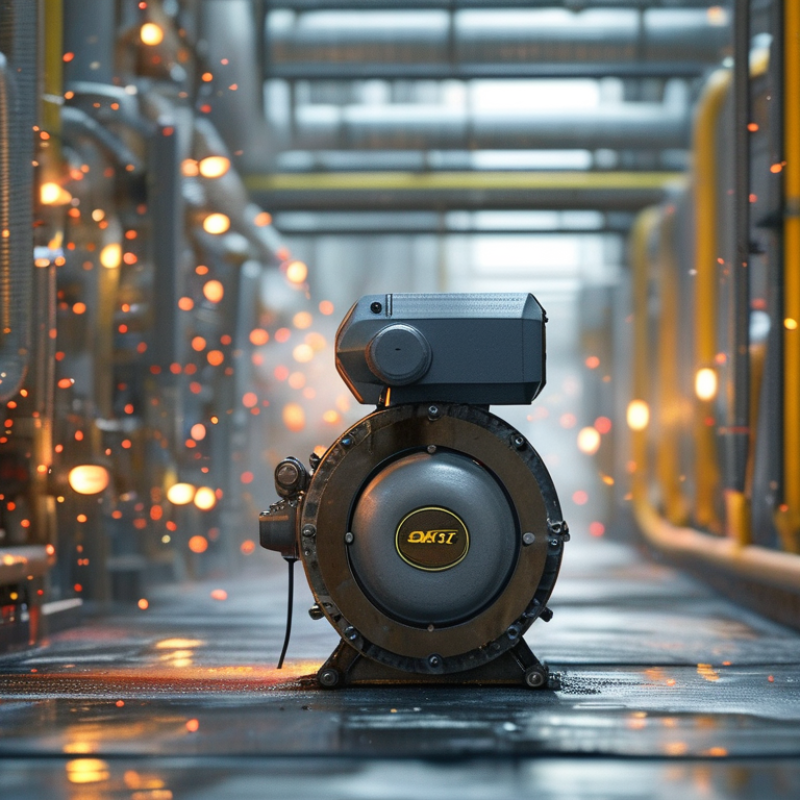
7 Best Hazardous Area Motors for Global Buyers

Understanding Hazardous Area Motor Ratings and Certifications

7 Best Hazardous Area Motors for Global Buyers

Understanding Hazardous Area Motor Ratings and Certifications

Selecting a hazardous area motor starts with the atmosphere, not horsepower. Gas, vapor, dust, and fiber hazards require different protection methods. The U.S. Department of Energy’s 2023 Industrial Motor Systems Market Assessment reports that motor-driven equipment uses about 68% of industrial electricity. A wrong rating can therefore waste energy and create serious operational exposure.

Check the zone or division classification, gas or dust group, temperature class, and equipment protection level. For example, a motor marked T4 must limit its surface temperature below 135°C. That detail matters near solvent vapors. IECEx certification supports international acceptance, while ATEX applies within the European regulatory framework. North American projects may require Class I, Division 1 or Zone ratings, depending on the installation design.

Certification is not the entire decision. Verify ambient temperature, altitude, starting current, ingress protection, bearings, and cooling performance. IEC 60079 standards define key requirements, but the project’s electrical code still controls final acceptance. Ask for the certificate number and technical schedule. Do not rely on a sales label alone.

A practical warning: Ex protection does not correct poor maintenance. Dust on cooling fins can raise surface temperature. Misaligned couplings can increase vibration and heat. I have seen specifications that looked complete but ignored reduced-voltage starting. That omission can delay commissioning. Global buyers should compare the motor certificate with the hazardous-area drawing, load profile, and local inspection requirements. Small gaps remain costly.

7 Hazardous-Area Motor Rating Profiles for Global Buyers

Maximum surface temperature by representative IEC 60079 protection marking

Lower maximum surface temperatures provide greater protection against ignition of gases, vapors, or combustible dusts. Gas temperature classes range from T1 at 450°C to T6 at 85°C; dust ratings state the maximum surface temperature directly. “Gb” is generally associated with Zone 1 and Zone 2 gas atmospheres, “Gc” with Zone 2, and “Db” with Zone 21 and Zone 22 dust atmospheres. Actual motor selection must be confirmed against the area classification, gas or dust group, ambient temperature, enclosure requirements, and applicable ATEX or IECEx certification.

Key Criteria for Comparing Motors Across Global Markets

Choosing among seven hazardous area motors requires more than comparing horsepower and price. The best option depends on gas or dust classification, zone or division system, ambient temperature, and installation altitude. Ask for complete nameplate data. Small details matter. A motor rated for dust may not suit a gas-filled process area. Experienced engineers verify the equipment group, temperature class, enclosure protection, and certification scope before approval.

Global comparison becomes harder because certification routes differ by market. One region may accept an international explosion-protection certificate, while another requests local documentation or installation rules. Check certificates, test reports, wiring diagrams, and maintenance instructions in the buyer’s working language. Confirm voltage, frequency, starting current, efficiency, bearings, seals, and spare-part access. A compliant motor can still cause delays if its terminal box does not fit local cable glands.

Reliability also depends on climate and service practice. Review corrosion protection for coastal air, cooling performance in hot rooms, and insulation requirements at high altitude. Ask how the supplier handles inspection, rotor balancing, warranty claims, and field support. I have seen teams overvalue efficiency labels and overlook restart limits or lubrication intervals. That mistake is easy to repeat. Compare lifecycle cost, not purchase price alone, while keeping assumptions visible. Document operating hours, load profile, energy tariffs, and downtime costs, then challenge them against actual site conditions.

Seven Leading Hazardous Area Motors and Their Core Features

Hazardous area motors must match the atmosphere, temperature, dust, and operating duty. Seven leading designs are commonly considered by global buyers.

Flameproof motors contain an internal ignition and use strong, carefully machined joints.

Increased-safety motors prevent sparks through improved insulation, terminals, and temperature control.

Non-sparking motors suit selected gas zones when their construction prevents ignition during normal operation.

Dust-ignition-proof motors protect against combustible dust entering the housing.

Pressurized motors use clean air or inert gas to keep hazardous material outside.

Explosion-protected brake motors combine controlled braking with protected electrical parts.

Variable-speed hazardous area motors provide process control, but their cooling and certification need close review.

Details matter.

A stainless steel shaft may resist corrosion, while sealed bearings reduce contamination near dusty conveyors. Surface temperature is equally important because gases and dusts ignite at different limits. Buyers should check enclosure ratings, gas or dust group, temperature class, duty cycle, starting current, and local certification requirements. IECEx or ATEX documentation can support international projects, but acceptance still depends on the installation country and zone classification.

Field experience shows that selection errors often begin with incomplete site data. A motor may carry a suitable certificate yet fail under frequent starts or low-speed operation. That is easy to overlook. Cable glands, cooling airflow, and maintenance access deserve the same attention as the motor itself. Even a strong specification can miss changing humidity, dust buildup, or voltage instability. A practical inspection with the installer is often more reliable than relying on a catalog alone.

Matching Motor Designs to Industries, Zones, and Operating Conditions

Choosing a hazardous area motor starts with the workplace, not the catalog. Gas processing rooms, grain handling lines, paint facilities, and wastewater plants create different risks. Each application needs a documented zone classification, gas or dust group, temperature class, and required protection method.

A motor for a gas zone may require flameproof construction, while a dust environment needs sealed joints and limited surface temperature. Check the enclosure rating against washdown, humidity, and corrosive chemicals. The details matter. A motor exposed to fine powder may need more than basic dust protection. Cooling design also matters when airflow is restricted or ambient temperatures exceed 40°C.

Load conditions deserve equal attention. Conveyors often demand high starting torque, while pumps may run continuously at steady loads. Specify duty cycle, starting frequency, altitude, voltage variation, and available ventilation. During equipment reviews, teams sometimes focus on certification and overlook bearing loads or cable entry details. That mistake can shorten service life. Not always.

Reliable selection requires traceable test documents, clear installation instructions, and inspection records. Verify certification against the actual operating zone and local requirements before purchase. Ask whether maintenance staff can inspect terminals without disturbing critical seals. A smaller, correctly matched motor may outperform a larger motor forced into an unsuitable enclosure.

Recheck the assumptions. eriwa

Purchasing, Installation, and Maintenance Considerations for Buyers

7 Best Hazardous Area Motors for Global Buyers

Purchasing, Installation, and Maintenance Considerations for Buyers

Choosing a hazardous area motor starts with the site classification, not the price. Confirm the gas or dust group, zone, temperature class, enclosure rating, and ambient conditions. The best seven motor options may include flameproof, increased-safety, dust-ignition-proof, and non-sparking designs. Selection depends on the actual hazard and duty cycle. Request current certification documents from qualified suppliers. Check voltage, frequency, starting current, efficiency, insulation class, and compatibility with variable-frequency drives. A higher rating is not automatically safer. It can increase cost, heat, and installation complexity.

Tips: Match the motor certificate to the exact installation area. Verify cable glands, terminal boxes, earthing points, and cooling clearances before delivery. Keep these details in writing. Small mismatches can delay commissioning.

Installation quality strongly affects protection. Technicians should inspect machined flame paths, tighten terminals to specified torque, and align the coupling accurately. Do not paint, file, or modify protected joints without approved procedures. After startup, record current, vibration, bearing temperature, and unusual noise. Maintenance plans should include visual inspections, insulation testing, cleaning, lubrication, and certificate checks. Follow the manufacturer’s instructions and applicable local standards. Dust buildup deserves special attention because it can block cooling. This is often underestimated. Replacement parts must preserve the motor’s certified construction. In practice, maintenance records are sometimes incomplete, making fault diagnosis slower than necessary. A simple inspection log can prevent that weakness.

FAQS

: What should guide hazardous area motor selection?

: Start with the site atmosphere, not horsepower or price. Identify gas, vapor, dust, or fiber hazards. Confirm the zone, division, group, temperature class, and protection method. A larger motor is not automatically safer.

Why does the temperature class matter?

The temperature class limits the motor’s surface temperature. For example, a T4 motor must remain below 135°C. This matters near solvent vapors or other heat-sensitive atmospheres. Check actual ambient conditions, not only the nameplate.

Which motor design suits gas or dust environments?

Gas zones may require flame-resistant or increased-safety construction. Dust areas often need sealed joints and controlled surface temperatures. Fine powder can enter weak enclosures and block cooling. The enclosure must match humidity, washdown, and corrosive chemicals.

What documents should buyers request?

Request the current certificate, technical schedule, installation instructions, and test records. Check the certificate number against the hazardous-area drawing. Confirm cable entries, terminal boxes, earthing points, and enclosure details. A sales label alone is insufficient.

How do load conditions affect motor choice?

Conveyors may need high starting torque. Pumps often operate continuously at steady loads. Specify duty cycle, starting frequency, voltage, frequency, altitude, and ventilation. Do not overlook bearing loads or reduced-voltage starting. That omission can delay commissioning.

Can a hazardous area motor work with variable-frequency drives?

It may, but compatibility requires confirmation before purchase. Check insulation class, cooling performance, speed range, and starting current. Restricted airflow can increase heat at low speed. The certificate does not answer every drive-related question.

What installation details protect the motor?

Inspect protected joints and tighten terminals to the specified torque. Align the coupling accurately and preserve cooling clearances. Do not file, paint, or modify protected joints without approved procedures. Small gaps matter.

What maintenance should operators perform?

Record current, vibration, bearing temperature, and unusual noise after startup. Clean cooling fins and remove dust buildup regularly. Inspect insulation, lubrication, terminals, and certificate markings. Replacement parts must preserve the certified construction. Maintenance records are sometimes incomplete. That weakness deserves attention.

Conclusion

This guide presents seven leading Hazardous Area Motors designed for dependable operation in environments where flammable gases, vapors, dust, or fibers may be present. It explains how motor ratings, temperature classes, protection methods, and regional certifications influence selection, while outlining key comparison criteria such as efficiency, enclosure design, voltage compatibility, thermal performance, and service life. Buyers will also learn how to evaluate motors across international markets without relying on brand names, focusing instead on verified technical documentation and application suitability.

The article connects motor designs with specific industries, hazardous zones, operating temperatures, loads, and duty cycles. It also highlights practical considerations for purchasing, including supplier qualification, certification checks, spare parts, installation procedures, grounding, cable entries, inspection, and preventive maintenance. By combining technical assessment with lifecycle planning, global buyers can select Hazardous Area Motors that support safe, efficient, and reliable operation under demanding industrial conditions.


Ethan

Ethan

Ethan is a skilled marketing professional and a trusted voice behind our company’s educational content. With a strong understanding of our products, customer needs, and evolving market trends, he transforms complex information into clear, practical, and engaging insights. Through his regular......