





Knowledge Base & Technical News
Industry news, case studies, and engineering updates on high voltage motors, generators, and rotating equipment.
China’s industrial base supports a wide range of rotating equipment repair providers. These companies serve power plants, refineries, chemical facilities, steel mills, and manufacturing sites. Their services may include pump refurbishment, compressor repair, turbine balancing, gearbox inspection, shaft alignment, and emergency field support.
This article examines China’s top Rotating Equipment Repair companies through practical selection criteria. These include workshop capability, inspection technology, repair quality, turnaround time, engineering experience, and documented safety procedures. A strong provider should show clear inspection records. It should also explain repair limits before work begins. Heinz P. Bloch, a widely recognized rotating-equipment reliability author, said, “Reliability is the result of doing the right things consistently.”
That principle matters during every repair. A polished shaft, a balanced rotor, or a replaced bearing can appear satisfactory under basic inspection. However, vibration testing, dimensional checks, material verification, and operational monitoring reveal more. Small details often decide whether equipment runs for months or fails after several days.
No ranking is perfect. Company performance can vary by equipment type, region, project size, and customer requirements. Some firms excel at large turbines. Others perform better with pumps, motors, or compressors. Therefore, this guide avoids relying only on brand visibility. It considers field evidence, technical depth, communication, and after-service support. Readers should still verify certifications, references, repair reports, and current workshop capacity before choosing a supplier.
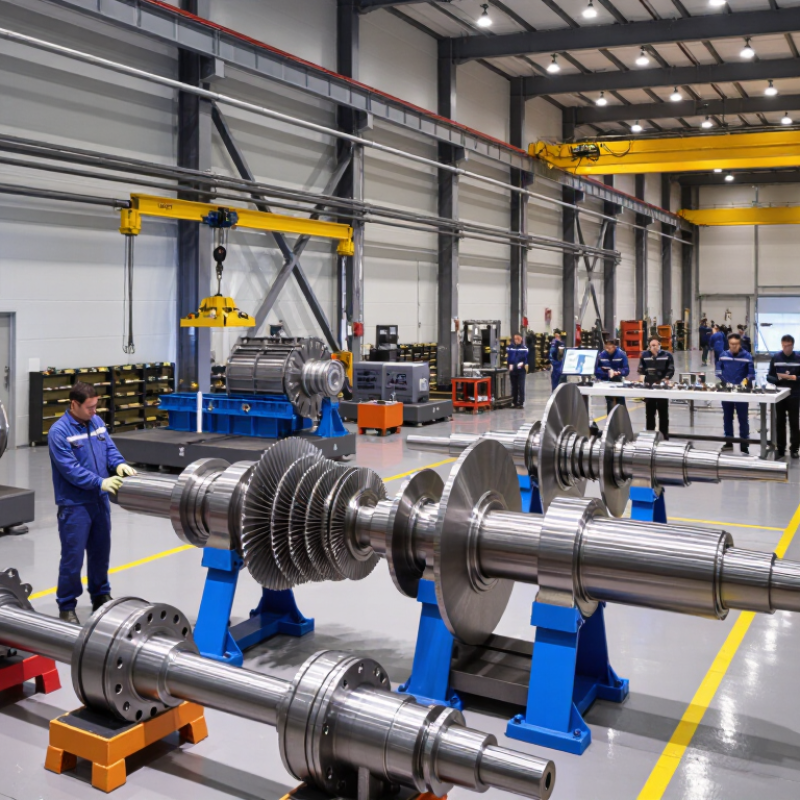
Rotating equipment repair in China covers pumps, compressors, turbines, gearboxes, and electric motors. Technicians inspect vibration, temperature, lubrication, seals, shafts, and alignment. The work may happen during planned shutdowns or after sudden failure. A repair is not simply replacing a bearing. It requires finding the failure’s cause, measuring tolerances, restoring balance, and testing performance.
The U.S. Department of Energy’s Operations and Maintenance Best Practices guide reports that predictive maintenance can reduce maintenance costs by 8–12% compared with preventive maintenance. It can also reduce breakdowns by 70–75%. These figures explain China’s growing use of vibration analysis, infrared inspection, oil testing, and remote monitoring. A 2023 global smart-manufacturing survey found that 86% of manufacturers viewed smart manufacturing as a key competitiveness driver. Digital records now support repair planning, spare-part control, and technician verification.
However, data is not diagnosis.
A sensor may miss a loose foundation. A clean oil sample may hide poor alignment. Experienced Chinese repair teams still combine instruments with visual checks, operating history, and workshop measurements. Strong companies should show calibration records, repair photographs, dimensional reports, and post-repair test results. They should also explain uncertain findings instead of promising perfect reliability. This matters in chemical plants, power stations, steel mills, and water facilities, where one repaired rotor can affect an entire production line. Supplier selection should examine field experience, safety procedures, turnaround control, and evidence from similar equipment.
China’s rotating equipment repair companies serve industries where downtime quickly becomes expensive. Power plants depend on them for turbine, generator, and boiler-feed pump maintenance. Petrochemical facilities use specialist teams for compressors, centrifugal pumps, gearboxes, and mechanical seals. Steel mills, cement plants, mining sites, and marine terminals also require frequent repairs because dust, heat, vibration, and heavy loads accelerate wear.
Water treatment facilities rely on pump refurbishment and motor alignment during scheduled shutdowns. Food and pharmaceutical factories need cleaner repair practices, accurate balancing, and careful contamination control. In my experience, reliable repair providers offer inspection records, vibration measurements, material reports, and controlled test runs. Practical evidence matters more than impressive promises.
Tips: Ask for failure analysis before approving major work. Confirm shaft runout, bearing clearances, dynamic balancing, and pressure-test procedures. Request photographs of damaged parts and clear replacement tolerances. A short warranty can reveal weak confidence. Check whether technicians understand your operating conditions, not only the equipment drawing.
Cost is not the only concern. A low quotation may exclude machining, transport, alignment, or emergency support. Some repairs also fail because the original cause remains: poor lubrication, pipe stress, cavitation, or unstable foundations. I have seen schedules improve after better inspection, but not every repair deserves repeating. Sometimes replacement is safer and more economical. Linked documentation should remain available for the next maintenance team.
| Industry | Primary Rotating Equipment | Common Repair Services | Typical Failure Modes | Why Repair Services Are Required | Typical Technical Requirements |
|---|---|---|---|---|---|
| Power Generation | Steam turbines, gas turbines, generators, boiler-feed pumps, cooling-water pumps, fans | Rotor inspection, shaft repair, balancing, bearing replacement, seal refurbishment, pump overhaul, alignment | Bearing wear, shaft runout, vibration, seal leakage, erosion, corrosion and thermal distortion | High availability requirements and costly unplanned shutdowns | Dynamic balancing, vibration testing, dimensional inspection and documented quality control |
| Oil and Gas | Process compressors, centrifugal pumps, reciprocating compressors, expanders and drive systems | Compressor overhaul, impeller repair, mechanical-seal replacement, shaft restoration and precision alignment | Surge-related damage, seal failure, fouling, lubrication problems and rotor imbalance | Continuous operation, hazardous fluids and strict process-safety requirements | Hazardous-area procedures, material traceability, pressure testing and controlled assembly |
| Petrochemical and Chemical Processing | Reactors with agitators, pumps, compressors, centrifuges, mixers and cooling-tower fans | Agitator refurbishment, impeller machining, seal replacement, corrosion repair and performance testing | Chemical corrosion, abrasive wear, cavitation, shaft deflection and mechanical-seal leakage | Aggressive chemicals and the need to maintain process consistency | Compatible materials, surface protection, leak testing and process-contamination control |
| Steel and Metallurgy | Rolling-mill drives, cooling pumps, exhaust fans, gearboxes, straighteners and mill motors | Gearbox rebuilds, roll repair, shaft machining, bearing replacement, coupling alignment and balancing | Impact loading, dust ingress, overheating, gear wear, misalignment and fatigue cracking | Heavy loads, high temperatures and abrasive production environments | High-load testing, dimensional restoration, lubrication checks and vibration monitoring |
| Cement and Building Materials | Kiln drives, vertical mills, ball mills, crushers, conveyors and induced-draft fans | Gear and pinion repair, trunnion restoration, fan balancing, bearing work and alignment | Dust contamination, gear pitting, liner wear, bearing damage and thermal stress | Large equipment size, abrasive dust and limited maintenance windows | Large-part machining, gear-contact inspection, alignment verification and load testing |
| Mining and Mineral Processing | Slurry pumps, crushers, mills, conveyors, dewatering pumps and flotation equipment | Wear-part replacement, pump casing repair, impeller refurbishment, shaft repair and balancing | Abrasive erosion, impact damage, cavitation, bearing failure and seal wear | Highly abrasive materials and demanding duty cycles | Wear-resistant materials, hardfacing, slurry testing and robust sealing systems |
| Marine and Shipbuilding | Propulsion shafts, marine gearboxes, thrusters, pumps, compressors and steering machinery | Shaft alignment, stern-tube work, propeller balancing, gearbox overhaul and onboard emergency repair | Corrosion, vibration, shaft misalignment, seal leakage and gear damage | Limited onboard space, saltwater exposure and strict vessel schedules | Marine-grade materials, alignment records, balance verification and corrosion protection |
| Water and Wastewater Treatment | Aeration blowers, sewage pumps, mixers, agitators, centrifuges and sludge dewatering equipment | Pump overhaul, blower repair, impeller replacement, seal work, shaft repair and motor alignment | Blockage, corrosion, ragging, cavitation, seal failure and bearing wear | Continuous treatment obligations and exposure to corrosive or contaminated fluids | Leak prevention, corrosion-resistant materials, hygienic handling and operational testing |
| Pulp, Paper and Packaging | Paper-machine rolls, refiners, pumps, fans, dryers, gearboxes and vacuum systems | Roll grinding, journal repair, bearing replacement, gearbox overhaul and dynamic balancing | Surface wear, moisture damage, vibration, bearing fatigue and roll misalignment | High line speeds, strict product-quality tolerances and continuous production | Tight runout limits, surface-finish control, balance testing and precision alignment |
Leading Chinese rotating equipment repair companies support pumps, compressors, turbines, gearboxes, and electric motors. Their work begins with condition assessment, not immediate disassembly. Technicians review operating history, oil samples, vibration readings, and seal leakage. A borescope can reveal scoring inside a compressor casing. This evidence guides the repair scope.
Common services include shaft straightening, journal machining, dynamic balancing, laser alignment, bearing replacement, and mechanical seal refurbishment. Workshops use coordinate measuring machines and calibrated balancing rigs to check tolerances. Technicians may restore worn housings through controlled welding and precision boring. Each rotor should receive documented runout, balance, and dimensional reports. Clear photographs help maintenance teams verify hidden work.
Reliable providers also offer emergency field repairs, installation supervision, commissioning, and planned maintenance. They can analyze recurring vibration instead of repeatedly replacing bearings. Safety procedures, trained inspectors, material certificates, and traceable records strengthen confidence. Yet no repair decision is perfect. A rushed diagnosis can miss piping stress or poor lubrication. Good companies admit uncertainty, explain risks, and recommend monitoring after startup. That honesty often matters more than a polished workshop.
China’s top rotating equipment repair companies are evaluated through evidence, not advertising. Reviewers examine experience with compressors, pumps, turbines, and industrial gearboxes. A capable workshop can show inspection reports, repair histories, and measurable performance results. Photographs of worn bearings or damaged seals add useful detail.
Technical expertise is tested through diagnostic methods, technician qualifications, and repair procedures. Evaluators may review vibration analysis, shaft alignment records, balancing reports, and material inspection data. Reliable companies explain the failure’s likely cause instead of replacing parts without investigation. That distinction matters.
Very practical.
Workshop conditions also reveal professional discipline. Inspectors check calibration records, machining accuracy, cleanliness, lifting controls, and final testing. Turnaround time matters, but rushed repairs can create hidden risks. Strong providers communicate delays, document changes, and protect customer data. References from similar facilities can confirm whether promised results appeared during operation.
A fair evaluation should include warranty terms and after-sales support. However, no repair company can honestly promise zero future failures. Operating loads, lubrication, installation, and maintenance also affect equipment life. This is where judgment becomes difficult. A low price may reflect efficiency, or it may signal reduced inspection depth. Reviewers should compare complete evidence before choosing a repair partner.
Choosing among China’s top rotating equipment repair companies requires more than comparing hourly rates. Buyers should examine experience with pumps, compressors, turbines, gearboxes, and other critical machinery. Ask for documented repair cases involving similar operating conditions, materials, and failure patterns. A capable team should provide inspection records, vibration readings, dimensional reports, and clear photos before recommending work.
Technical resources matter. Check whether the workshop uses calibrated balancing machines, alignment tools, non-destructive testing, and controlled cleaning areas. Engineers should explain the root cause, not only replace damaged parts. Parts traceability, material certificates, welding procedures, and final quality checks also indicate professional discipline. Response time is important, especially when one failed shaft can interrupt an entire production line. However, urgent service should never remove essential safety checks.
Tips: Request a written scope, repair schedule, warranty period, and testing standard. Confirm who approves extra costs. Speak with recent industrial customers, not only listed references. A low quotation may seem attractive, but it can exclude balancing, machining, or return transport. That omission becomes expensive later. I would also inspect the final report carefully; vague language often signals weak accountability. No repair process is perfect, and even experienced teams can misjudge hidden fatigue. Reliable companies acknowledge uncertainty, propose follow-up monitoring, and support the equipment after restart.
The chart presents a practical 100-point procurement evaluation model for rotating equipment repair services. Technical capability and repair quality receive the highest weighting because improper alignment, balancing, or dimensional restoration can directly affect equipment reliability, safety, and operating costs. Buyers should also verify documented quality systems, turnaround performance, warranty terms, spare-parts capability, and field-service support before making a final decision.
Evaluation model based on commonly used industrial maintenance procurement criteria; the figures are recommended weighting values rather than rankings of individual companies.
It covers pumps, compressors, turbines, gearboxes, and electric motors. Technicians inspect vibration, temperature, lubrication, seals, shafts, and alignment.
Repairs may happen during planned shutdowns or after sudden equipment failure. Emergency work can restore production faster, but rushed decisions may miss deeper causes.
Technicians review operating history, oil samples, vibration readings, and seal leakage. A borescope may reveal scoring inside a compressor casing. Evidence guides the repair scope.
Services include shaft straightening, journal machining, dynamic balancing, laser alignment, and bearing replacement. Workshops may also refurbish mechanical seals and repair worn housings.
They measure runout, balance, dimensions, and alignment using calibrated equipment. Coordinate measuring machines can verify tight tolerances. Reports should document the results.
No. Data is helpful, but it is not a complete diagnosis. A sensor may miss a loose foundation or piping stress. Human inspection still matters.
Request calibration records, repair photographs, dimensional reports, and post-repair test results. Material certificates and traceable records add confidence. Photos can expose hidden work.
Vibration analysis, infrared inspection, oil testing, and remote monitoring can reveal developing faults. Predictive maintenance may reduce maintenance costs by 8–12%. Results are not guaranteed.
Examine similar field experience, safety procedures, turnaround control, and technician qualifications. Ask how recurring vibration will be investigated. A polished workshop is not enough.
The team should monitor vibration, temperature, lubrication, and seal performance. Post-startup checks can reveal remaining alignment or balance problems. Some uncertainty remains.
Rotating Equipment Repair in China covers the inspection, maintenance, refurbishment, and testing of machinery such as pumps, compressors, turbines, motors, gearboxes, and other systems with moving components. These services support industries including power generation, oil and gas, petrochemicals, manufacturing, mining, marine operations, water treatment, and large-scale infrastructure. Leading repair companies typically provide equipment diagnostics, vibration analysis, disassembly, precision machining, shaft and bearing repair, balancing, alignment, parts replacement, coating, assembly, and performance testing.
China’s top repair providers are generally evaluated by technical expertise, workshop capabilities, quality-control procedures, turnaround time, safety management, and their ability to handle complex or customized equipment. Buyers should also consider certifications, engineering support, spare-parts availability, communication, warranty terms, transportation arrangements, and total service cost. A reliable partner should offer transparent inspection reports, clear quotations, consistent testing standards, and practical solutions that improve equipment reliability while reducing downtime and long-term operating expenses.