





0%

Choosing Hydro Turbine Generators in 2026 requires more than comparing rated power and purchase prices. A suitable unit must match the river’s flow, usable head, sediment load, grid requirements, and operating pattern. These factors shape efficiency, reliability, maintenance frequency, and long-term costs.

Field experience shows that site measurements often matter more than attractive catalog figures. Engineers should verify seasonal flow data, intake conditions, penstock losses, and expected variation in water levels. Small details matter. A turbine designed for stable flow may perform poorly when droughts, debris, or sudden load changes become common. That assumption can fail.

This guide examines the practical choices behind modern Hydro Turbine Generators. It considers turbine type, generator configuration, efficiency curves, control systems, materials, supplier capability, and service support. It also explains how to compare lifecycle value instead of focusing only on the initial quotation. Reliable manufacturers should provide test records, clear technical documentation, credible references, and responsive after-sales assistance.

Digital monitoring can improve inspection decisions, but it cannot replace experienced operators or proper maintenance. Sensors may reveal vibration or temperature changes, yet the underlying cause still requires engineering judgment. No checklist is perfect. Project owners should question uncertain data and request independent verification when specifications appear unusually optimistic.

The best selection balances performance, safety, maintainability, environmental conditions, and future expansion. By approaching the decision with documented evidence and realistic operating assumptions, buyers can reduce avoidable risks and choose equipment that remains dependable beyond its first years of service.
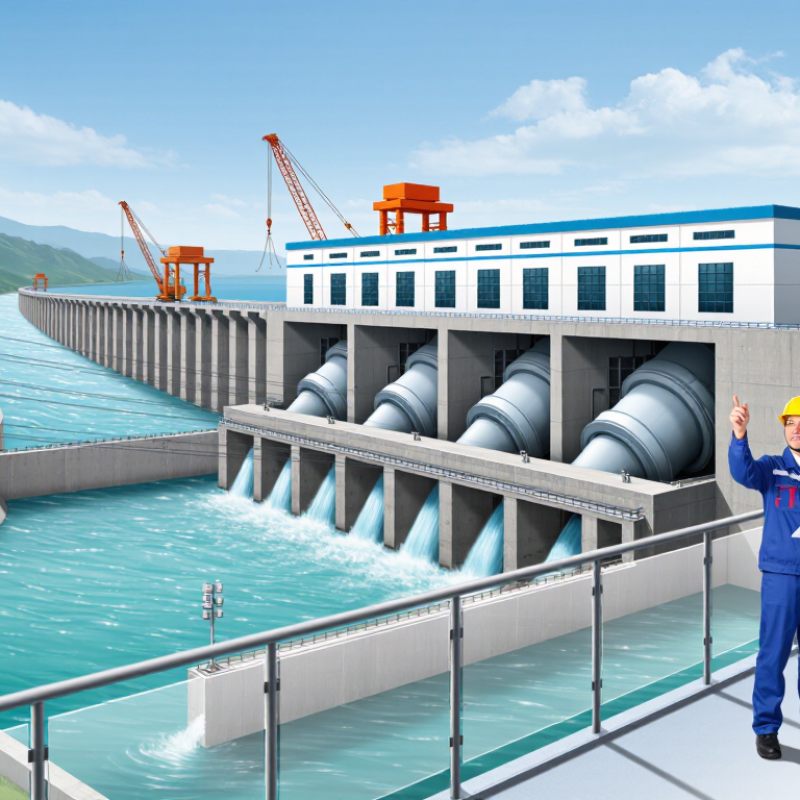
How to Choose Hydro Turbine Generators in 2026?

Hydro Turbine Generator Basics and Operating Principles

How to Choose Hydro Turbine Generators in 2026?

Hydro turbine generators convert moving water into electrical power. Water enters through an intake and travels toward the turbine runner. Its pressure and velocity create rotational force on the blades. The rotating shaft drives a generator, where electromagnetic induction produces electricity. Simple in principle.

Available head and water flow determine the suitable turbine design. High-head sites often use impulse turbines with controlled water jets. Low-head sites generally need reaction turbines that operate inside pressurized water. Medium-head projects may require a careful comparison between both approaches. Site elevation, seasonal flow, sediment, and grid requirements also affect selection.

In practical assessments, engineers measure flow across wet and dry seasons. They inspect the intake, penstock, bearings, seals, and generator cooling system. A unit that performs well during testing may struggle when debris increases or water levels fall. That possibility deserves attention. Efficiency is important, but stable operation and accessible maintenance can matter more over many years. Modern systems may include vibration sensors, temperature monitoring, and remote diagnostics. These tools reveal imbalance, overheating, or gradual bearing wear before a shutdown occurs. However, sensors can drift, and software alerts are not always correct. Operators still need sound inspections and accurate maintenance records. A realistic specification should include expected output, operating range, repair access, protection systems, and safe shutdown behavior.

Define Site Conditions and Hydropower Requirements

Defining site conditions should come before comparing hydro turbine generators. Measure net head, seasonal flow, sediment load, water temperature, flood levels, and grid distance. A turbine designed for 80 metres of head may perform poorly when drought reduces flow by 30 percent. Field measurements should cover wet and dry seasons, not only a convenient survey week.

The IRENA Renewable Capacity Statistics 2024 report recorded about 1,412 GW of global hydropower capacity at the end of 2023. The IEA’s Renewables 2024 analysis also identifies hydropower as a major source of dependable renewable electricity. These figures support careful sizing, but they do not replace local data. Calculate rated flow, minimum operating flow, annual energy, and required availability. Include intake losses and generator efficiency.

Small details matter. A muddy intake can increase maintenance. A long transmission route can weaken project economics. Operators should request turbine performance curves across expected flow ranges, not only peak efficiency. Grid frequency, voltage, protection systems, and black-start expectations must match the generator. Budget estimates often overlook civil works and sediment control. That is a common weakness. A spreadsheet can look precise while using optimistic flow assumptions. Review the design with hydrology, electrical, and environmental specialists before selecting equipment.

Compare Turbine Types, Generator Designs, and System Compatibility

Choosing a hydro turbine generator starts with the site, not the catalog. Measure net head, seasonal flow, sediment, and grid conditions. Head changes everything. Pelton turbines suit high head and low flow, with rugged buckets and simple runners. Francis units handle medium head and broad operating ranges. Kaplan turbines fit low head sites, especially where flow varies widely. A wrong match can leave an efficient turbine idle during dry months.

Generator selection must follow turbine speed and power quality requirements. Synchronous generators provide controlled voltage and strong grid support, but they need excitation equipment and careful protection. Induction generators are simpler and often economical for stable grids, yet they depend on grid voltage and reactive power. Permanent-magnet designs can work well at variable speed and reduce excitation losses. However, their converters add heat, controls, and maintenance points. Keep this practical.

System compatibility deserves a physical check. Confirm rated voltage, frequency, phase sequence, breaker capacity, grounding method, and transformer size. Match governor response with generator inertia and grid ramp limits. Check harmonic distortion when power electronics are used. A 400-volt generator cannot simply replace a 690-volt unit without redesigning protection and cabling. Site reviews often expose overlooked details, such as a narrow intake screen or insufficient crane access. I would also model low-flow operation, although predictions are never perfect. Small errors matter. Choose a design that remains safe, serviceable, and efficient across the site’s real operating range, not only its best day.

Evaluate Efficiency, Reliability, Costs, and Environmental Effects

How to Choose Hydro Turbine Generators in 2026?

Efficiency should be measured across real operating conditions.

Compare guaranteed output at design flow, low flow, and seasonal extremes. A high peak rating can hide poor performance during dry months. Review turbine efficiency, generator losses, and auxiliary power consumption together. Small losses compound. Request witnessed performance testing and clear correction methods for water temperature, head, and discharge.

Reliability depends on more than strong materials.

Examine cavitation resistance, bearing design, vibration limits, sealing systems, and access for maintenance. Ask for failure records from comparable sites, not only laboratory claims. Sediment is unforgiving. Include inspection intervals, spare-part availability, remote monitoring, and realistic repair times in the evaluation. A cheaper unit may become expensive after repeated shutdowns.

Calculate lifecycle cost over at least twenty years.

Include civil modifications, installation, grid equipment, maintenance, lost generation, and end-of-life work. Environmental effects also require site-specific evidence. Assess fish movement, minimum ecological flows, noise, sediment transport, and changes to downstream habitats. Choose designs that reduce disturbance without sacrificing safe operation.

I have seen projects overvalue efficiency percentages and underestimate seasonal ecology. That is an imperfect approach. A modestly lower output may provide better reliability and fewer environmental conflicts.

Use independent engineering review before signing technical guarantees.

Verify Standards, Supplier Capability, Installation, and Long-Term Support

Choosing hydro turbine generators in 2026 starts with verification, not brochure efficiency. Use IEC 60041 for field acceptance tests and IEC 60193 for model testing. Request traceable test records, uncertainty budgets, and correction methods. Seasonal head stability may matter more than peak efficiency. IRENA’s Renewable Capacity Statistics 2025 reports approximately 1,283 GW of global hydropower capacity at the end of 2024. A certificate alone is insufficient.

Supplier capability should match your site’s head, flow, sediment, grid conditions, and operating profile. Review references with similar hydraulic conditions, not merely similar output. Ask about CFD validation, cavitation margins, welding controls, factory acceptance tests, and emergency repair capacity. The U.S. Department of Energy’s Hydropower Market Report 2023 places the average age of the U.S. hydropower fleet at about 60 years. Long-life equipment needs long-life support.

Installation quality can quietly erase laboratory performance. Require a documented survey before delivery, shaft alignment records, bearing-clearance checks, controlled grouting, and vibration baselines. Commissioning should include dry tests, synchronization tests, load rejection, and protection verification. Plan spare bearings, seals, sensors, and control-system updates before the first outage. Define response times in writing. A ten-year support promise sounds strong, but parts availability and technician coverage matter more. I would still challenge every forecast; sediment behavior and civil-work delays are often underestimated. The uncomfortable detail is simple: the cheapest generator can become the most expensive asset after one avoidable shutdown.

How to Choose Hydro Turbine Generators in 2026?

Procurement evaluation framework based on standards verification, supplier capability, installation readiness, and long-term support.

The index uses a 100-point procurement score: standards and testing 30 points, supplier capability 25 points, installation and commissioning 20 points, and long-term support 25 points. Relevant references include IEC 60193 for model acceptance tests, IEC 60041 for field acceptance tests, IEC 61362 for hydraulic turbine control systems, ISO 9001 for quality management, and ISO 55001 for asset management.

FAQS

What does a hydro turbine generator do?

It converts moving water into electrical power. Water pressure and velocity turn runner blades. The rotating shaft drives a generator.

Which site measurements matter before selection?

Measure net head, seasonal flow, elevation, sediment, and grid conditions. Test both wet and dry seasons. Conditions change.

How does water head affect turbine choice?

High-head sites usually suit impulse turbines with controlled water jets. Low-head sites generally need reaction turbines inside pressurized water. Medium-head sites require comparison.

Why is seasonal flow important?

Flow can fall sharply during dry months. A highly efficient turbine may then operate poorly or remain idle. That detail matters.

Which generator design should a project use?

Synchronous generators offer controlled voltage and strong grid support. Induction generators are simpler for stable grids. Permanent-magnet designs suit some variable-speed systems.

What electrical details require compatibility checks?

Confirm voltage, frequency, phase sequence, breaker capacity, grounding, and transformer size. A 400-volt generator cannot simply replace a 690-volt unit.

What physical site problems can affect installation?

Inspect intake screens, penstocks, bearings, seals, cooling systems, and crane access. A narrow intake or limited lifting space can delay repairs.

Can sensors replace regular inspections?

No. Vibration and temperature sensors can reveal imbalance or overheating early. Sensors may drift, and alerts can be wrong. Records still matter.

Should efficiency be the main selection priority?

Not alone. Stable operation, accessible maintenance, safe shutdown, and protection systems may matter more over many years. My prediction could still be imperfect.

Conclusion

Choosing Hydro Turbine Generators in 2026 requires a clear understanding of how water flow and hydraulic head are converted into mechanical and electrical power. Begin by assessing the site’s flow range, available head, seasonal variations, water quality, grid conditions, and expected energy demand. These factors determine the appropriate turbine type, generator capacity, speed, control system, and compatibility with existing electrical infrastructure.

A reliable selection should balance efficiency, stable operation, maintenance requirements, purchase price, installation costs, and long-term operating value. Environmental considerations, including water use, fish protection, noise, and local ecological effects, should also be evaluated during planning. Before making a decision, verify applicable technical and safety standards, supplier engineering capability, testing procedures, delivery capacity, installation support, spare-parts availability, and after-sales service. A complete lifecycle assessment helps ensure that the chosen system performs safely, economically, and reliably throughout its intended service life.


Ethan

Ethan

Ethan is a skilled marketing professional and a trusted voice behind our company’s educational content. With a strong understanding of our products, customer needs, and evolving market trends, he transforms complex information into clear, practical, and engaging insights. Through his regular......