





0%

Choosing Slipring Generators in 2026 requires more than comparing rated power and purchase prices. Industrial operators now examine efficiency, grid stability, maintenance access, digital monitoring, and long-term operating costs. A generator may look excellent on paper yet perform poorly in a dusty plant or humid coastal station.

Real operating conditions matter. Consider a 6.6 kV motor starting under heavy load, with frequent speed changes and limited shutdown time. The correct slipring design should match the motor’s starting torque, duty cycle, insulation class, cooling method, and protection system. Brush quality also deserves attention. Small weaknesses become expensive failures.

Field experience shows that maintenance planning often decides the final result. Ask for verified test records, thermal performance data, bearing information, and documented service procedures. Speak with engineers who have installed similar units, not only sales representatives. Independent inspection can reveal vibration issues, poor terminal labeling, or difficult brush access before delivery.

There is no perfect specification. Some buyers overvalue efficiency and underestimate spare-part availability. Others choose a lower initial price, then face longer outages and higher maintenance costs. That judgment can be wrong. A reliable selection balances technical performance, supplier support, site conditions, and five-year ownership costs. In 2026, the strongest choice is not always the newest generator. It is the model that remains stable, serviceable, and measurable under real operating pressure.
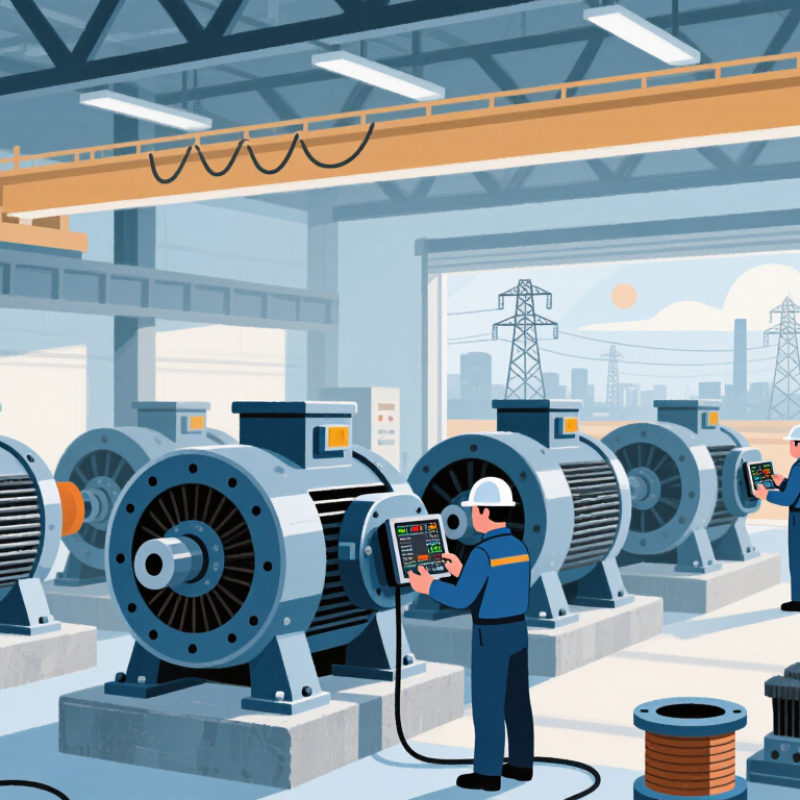
How to Choose Slipring Generators in 2026?

What Is a Slip Ring Generator and How Does It Work?

A slip ring generator is an electrical machine that transfers power between a rotating rotor and a stationary circuit. Its rotor winding connects to copper or brass rings mounted on the shaft. Stationary brushes press against these rings. As the shaft turns, the brushes deliver excitation current to the rotor winding. This creates a rotating magnetic field inside the stator, producing usable electrical power.

The design suits applications needing controlled voltage and strong starting torque. Large pumps, industrial drives, and variable-speed systems often use it. When choosing one in 2026, check rated output, voltage range, speed, insulation class, and cooling method. Confirm the generator can handle frequent starts and sudden load changes. Brush material matters. Poor contact can create heat, dust, and unstable output. Ask for slip ring access, brush replacement intervals, and measured vibration limits. A quiet bearing is not enough.

Maintenance teams should inspect ring surfaces for grooves and discoloration. They should also record brush wear instead of relying on memory. That detail is easy to miss. A compact generator may appear efficient, but restricted airflow can shorten winding life. Environmental conditions matter too, including dust, humidity, altitude, and temperature. Independent test records and clear service procedures improve purchasing confidence. A specification sheet can still mislead. Check real operating data before selecting the final model.

How to Choose Slip-Ring Generators in 2026? What Is a Slip-Ring Generator and How Does It Work?

A slip-ring generator transfers excitation power or rotor signals through rotating slip rings and brushes. For synchronous designs, the required rotor speed depends on the electrical frequency and the number of poles.

How to read the chart: Use the pole count and grid frequency to identify the required synchronous speed. Lower-speed applications generally use more poles, while high-speed prime movers commonly use fewer poles. When selecting a slip-ring generator, also verify rated kW or kVA, voltage, frequency, duty cycle, insulation class, cooling method, brush and slip-ring accessibility, and the maintenance environment.

Formula: Synchronous speed (rpm) = 120 × frequency (Hz) ÷ number of poles. The values shown are theoretical synchronous-speed references; actual operating speed and generator design may vary by application.

Which Technical Specifications Matter Most in 2026?

Choosing a slipring generator in 2026 requires more than comparing rated power. Start with voltage, frequency, speed range, duty cycle, and grid connection requirements. IEC 60034-1 remains a key reference for rotating-machine ratings and performance. The generator should also match the prime mover’s torque curve, not only its nameplate output.

Efficiency deserves close attention. The International Energy Agency’s Renewables 2024 report expects nearly 5,500 GW of new renewable capacity between 2024 and 2030. This growth increases pressure on generator losses, cooling, and maintenance planning. Check the efficiency class under IEC 60034-30-1, insulation temperature rise, enclosure protection, and bearing design. For variable-speed operation, review slip-ring current, brush wear, rotor insulation, and converter compatibility. Harmonic limits should also be assessed against IEEE 519 or the applicable grid code. A small mismatch can create heat, noise, and unexpected downtime.

Tips: Request certified test results, not only catalog figures. Compare efficiency at 50%, 75%, and 100% load. Ask for brush-life data under your actual operating cycle. DNV’s Energy Transition Outlook 2024 highlights continued expansion of variable renewable generation, yet field conditions remain uneven. Salt, dust, vibration, and poor ventilation can change the decision. I would not ignore service access. That mistake is expensive. Also, reevaluate the specification after site measurements; early assumptions are often wrong.

How to Match Generator Design with Your Application?

How to Choose Slipring Generators in 2026?

Choosing a slipring generator starts with the application, not the rated output. A mine hoist needs high starting torque and controlled acceleration. A wind installation needs stable voltage under changing wind speeds. A marine auxiliary system may prioritize compact cooling and corrosion resistance.

The IRENA Renewable Capacity Statistics 2025 reported 585 GW of renewable capacity added worldwide in 2024. Wind projects remain important, with GWEC reporting about 117 GW of new wind capacity that year. These figures show why generator flexibility matters. For variable-speed systems, evaluate rotor resistance, slipring insulation, and brush access. For continuous industrial duty, check thermal class, bearing life, and enclosure protection. A 6.6 kV generator may suit a large plant, but it can be excessive for a small pumping station.

Tips: Match torque curves before comparing prices. Measure ambient temperature, dust, altitude, and humidity. Ask for efficiency data at partial load, not only at full load. Inspect the brush compartment physically. It should not feel like an afterthought.

Field experience often exposes weak assumptions. A generator can meet its datasheet rating yet fail early in dusty service. Maintenance intervals also depend on load cycling, not only operating hours. I would leave a design margin for starting events, but avoid oversizing blindly. Oversizing may reduce efficiency and increase installation costs.

How to Choose Slipring Generators in 2026? - How to Match Generator Design with Your Application?
Selection Dimension Typical Application Requirement Recommended Matching Approach Key Check
Operating Duty Continuous operation, standby service, or frequent starts and stops. Select the generator for the actual duty cycle, ambient conditions, and required thermal life. Continuous-duty operation generally needs a rating that can run indefinitely at the specified load. Use a continuous-rated design for prime-power and long-duration operation. For standby systems, verify the permitted standby rating, annual running hours, and restart frequency. Duty cycle and annual operating hours
Rated Power Motor starting, variable loads, process equipment, pumps, compressors, or mixed commercial loads. The generator must support both continuous kVA and transient voltage performance. Large motors can create short-duration starting currents several times higher than their running current. Calculate running kW, power factor, motor-starting kVA, step-load changes, and future expansion. Avoid sizing only from the average load. kW, kVA, power factor, and step load
Voltage and Frequency Industrial distribution, utility-parallel systems, marine equipment, or site-specific low-voltage networks. Common three-phase generator systems use 50 or 60 Hz and low-voltage outputs such as 400/230 V or 480/277 V, but the correct value depends on the local electrical system. Match line voltage, phase arrangement, frequency, connection configuration, and allowable voltage tolerance to the load and installation standard. Voltage, Hz, phases, and connection
Speed and Pole Count Low-noise sites, high-speed engine sets, fuel-efficient operation, or variable-speed prime movers. For synchronous machines, speed is linked to frequency and pole count: n = 120f / p. At 50 Hz, common synchronous speeds include 3,000 rpm for 2 poles and 1,500 rpm for 4 poles; at 60 Hz, common values include 3,600 rpm and 1,800 rpm. Choose a speed that matches the prime mover, required frequency, noise target, vibration limits, and service-life expectations. Frequency, rpm, vibration, and noise
Slip-Ring and Brush Arrangement High-power synchronous generation where the rotor field requires controlled direct-current excitation. Slip rings transfer excitation current to the rotating field. Brush material, ring surface quality, spring pressure, cooling, and enclosure design affect wear and reliability. Specify accessible inspection points, suitable brush current density, replaceable brush holders, adequate ventilation, and monitoring of brush wear and ring temperature where required. Excitation current and maintenance access
Excitation and Voltage Regulation Sensitive electronic loads, parallel generators, large motors, or systems with rapid load changes. A controlled excitation system regulates terminal voltage and supports transient recovery. Voltage regulation performance depends on the exciter, automatic voltage regulator, machine reactance, and load characteristics. Review steady-state regulation, transient voltage dip, recovery time, short-circuit capability, and compatibility with power-factor correction equipment. Regulation and transient response
Cooling Method Indoor installations, dusty environments, high ambient temperatures, or compact power rooms. Air-cooled designs are common for many industrial ratings. Larger machines may use enhanced air circulation or liquid-based cooling to control winding and bearing temperatures. Confirm cooling capacity at the maximum site temperature, altitude, enclosure arrangement, and actual continuous load. Ambient temperature and heat rejection
Ambient Temperature and Altitude Desert sites, tropical climates, cold regions, mountainous locations, or poorly ventilated rooms. High ambient temperature and elevation reduce cooling performance and may require derating. Lower air density at altitude reduces the mass flow available for air cooling. Provide the design ambient temperature and installation altitude to the manufacturer and apply the specified derating rather than relying on the nameplate rating alone. Temperature, altitude, and derating curve
Ingress Protection and Environment Indoor clean rooms, outdoor platforms, coastal areas, agricultural sites, mines, or dusty process plants. The enclosure and ventilation system should limit the entry of solid particles and water. Corrosive atmospheres may require protected materials, coatings, filters, heaters, or a different enclosure arrangement. Select the required IP level and environmental protection from the actual site conditions. Do not treat an indoor open-ventilated design as suitable for outdoor exposure. Dust, water, salt, chemicals, and IP level
Insulation and Thermal Class Long service life, high utilization, frequent overload events, or elevated operating temperature. Winding insulation systems are commonly classified by thermal capability. A higher thermal class does not automatically permit continuous overload; the complete machine rating still governs operation. Match insulation, temperature rise, overload capability, and winding protection to the duty cycle and site temperature. Thermal class and temperature rise
Parallel Operation Multiple generators, utility synchronization, load sharing, or microgrid operation. Parallel operation requires compatible voltage, frequency, phase sequence, excitation control, governor response, protection, and communication functions. Specify synchronization, kW and kVAr sharing, reverse-power protection, loss-of-mains protection, short-circuit coordination, and grounding requirements. Synchronization and load sharing
Load Type and Harmonics Variable-frequency drives, UPS systems, rectifiers, battery chargers, data equipment, or welding equipment. Nonlinear loads can produce current distortion and additional heating in the generator. Reactance, winding design, excitation control, and neutral arrangement influence performance. Provide the harmonic-current profile and crest factor. Check total harmonic distortion, neutral loading, and compatibility with filters or power-electronic converters. THD, crest factor, and neutral current
Bearing and Mechanical Design High-speed operation, belt-driven systems, direct coupling, frequent starts, or high-vibration foundations. Bearing type, shaft alignment, rotor balance, coupling loads, and foundation stiffness affect reliability and vibration levels. Confirm allowable radial and axial loads, coupling alignment limits, torsional compatibility, bearing lubrication method, and vibration acceptance criteria. Alignment, loads, vibration, and torsion
Maintenance Strategy Remote sites, limited maintenance staffing, high availability, or planned shutdown service. Slip rings and brushes are wear components and require periodic inspection. Cleaning, brush replacement, ring inspection, insulation testing, and bearing checks should be planned. Choose an arrangement with safe access, clear inspection intervals, spare brush availability, condition monitoring, and a documented maintenance schedule. Inspection interval and spare parts
Compliance and Testing Regulated industrial facilities, critical infrastructure, export projects, or grid-connected installations. Testing and documentation should address electrical performance, insulation, temperature rise, vibration, noise, protection, and local grid or safety requirements. Request routine-test records, performance curves, protection settings, drawings, operating manuals, and applicable standard declarations for the intended market. Standards, tests, drawings, and records
Total Cost of Ownership Projects where fuel use, downtime, maintenance labor, or service life are more important than initial purchase price. Efficiency, brush and bearing life, cooling demand, spare-part access, outage risk, and expected operating hours influence lifetime cost. Compare purchase cost with energy losses, planned maintenance, unplanned downtime, replacement parts, installation, commissioning, and end-of-life requirements. Lifetime cost and availability
Practical selection rule: Start with the load profile, operating duty, site conditions, voltage and frequency, then validate speed, excitation, cooling, protection, maintenance access, and applicable standards. Final ratings should be confirmed against the generator manufacturer’s certified performance data and the installation requirements.

How to Compare Efficiency, Reliability, and Maintenance Needs?

How to Choose Slipring Generators in 2026?

Comparing slipring generators requires more than reading the highest efficiency figure. Check efficiency across the actual load profile, not only at full output. A generator operating near 60–80% load may deliver better fuel use than a larger unit running lightly. Review voltage stability, power factor performance, and heat losses under changing demand. Request test records from an accredited laboratory, and compare identical operating conditions. Numbers can mislead.

Reliability depends on the rotor, insulation system, bearings, and enclosure protection. Look for vibration limits, cooling performance, winding temperature ratings, and documented endurance testing. In practical inspections, unusual bearing noise or carbon dust around the slip rings deserves attention. It may indicate poor alignment, brush pressure, or ventilation. Ask how the generator performs in dust, humidity, and frequent starts. A clean datasheet is not enough.

Maintenance needs should be measured in labor hours, access time, and replacement frequency. Brushes and slip rings require scheduled inspection, especially in dusty installations. Choose designs with accessible inspection covers and clear service procedures. Condition monitoring can track vibration, temperature, and brush wear before failures become expensive. Keep critical spares available, but avoid excessive inventory. It wastes money. A perfect comparison is unrealistic because operating conditions change. I would still record real load data for several weeks before approving the final selection.

What Safety, Compliance, and Future-Readiness Factors Should You Check?

Choosing a slipring generator in 2026 means checking more than rated output. In field inspections, I look first at the failure path: what happens when a brush wears, cooling airflow drops, or insulation becomes damp? Ask for documented tests covering temperature rise, dielectric strength, vibration, grounding, and overspeed protection. The generator should meet applicable IEC 60034 requirements and local electrical rules. Request signed test records, not polished claims. A clear maintenance interval matters.

Safety also lives in small details. The slip-ring chamber needs guarded access, suitable ingress protection, fire-resistant materials, and safe discharge procedures. Verify protection against accidental contact, rotating parts, and unexpected restart. Confirm that terminals are labeled and an emergency isolation point is reachable from the service floor. Check noise, heat, and arc-flash risk under real load. A factory certificate helps, but it never replaces a site risk assessment.

For future readiness, choose a machine with accessible sensors for winding temperature, bearing condition, vibration, and brush wear. Data is useful only when alarms have clear limits and operators can act. Confirm spare-brush availability, drawing revisions, repair support, and compatibility with planned drives or grid controls. Review cybersecurity if monitoring connects to a network. Avoid excess capacity without a load study; oversized equipment can operate inefficiently. I have seen elegant specifications fail because nobody checked lifting space or cable bending radius. A costly oversight.

FAQS

What is a slip ring generator?

It transfers electrical power between a rotating rotor and a stationary circuit. Copper or brass rings sit on the shaft. Brushes press against the rings.

How does a slip ring generator produce electricity?

Brushes deliver excitation current through the rotating rings. This energizes the rotor winding. The resulting magnetic field moves inside the stator and produces electrical power.

Which applications suit this generator design?

It suits systems needing controlled voltage and strong starting torque. Common examples include large pumps, industrial drives, and variable-speed equipment.

What specifications should buyers check in 2026?

Check rated output, voltage range, speed, insulation class, and cooling method. Confirm frequent starts and sudden load changes will not cause overheating.

How should generator efficiency be compared?

Compare efficiency across the real load profile, not only at full output. A unit operating near 60–80% load may use energy more effectively.Numbers can mislead.

What signs may indicate reliability problems?

Watch for unusual bearing noise, excess vibration, carbon dust, ring grooves, and surface discoloration. These signs may indicate poor alignment, brush pressure, or ventilation.

What maintenance do slip rings and brushes require?

Inspect ring surfaces regularly and record brush wear. Scheduled checks are especially important in dusty locations. Accessible covers can reduce service time.That detail matters.

How do environmental conditions affect generator performance?

Dust, humidity, altitude, temperature, and restricted airflow can shorten winding life. A compact housing may appear efficient but still trap damaging heat.

What operating data should be reviewed before selection?

Request independent test records and compare identical conditions. Review vibration, winding temperature, voltage stability, power factor, and cooling performance.A specification sheet is not enough.

How can maintenance costs be estimated realistically?

Measure labor hours, inspection access, brush replacement frequency, and critical spare requirements. Condition monitoring can track vibration, temperature, and brush wear.A perfect comparison is impossible.

Conclusion

Choosing Slipring Generators in 2026 requires more than comparing rated power and purchase price. A slip ring generator transfers electrical power through rotating contacts, making it suitable for applications that require controlled excitation, stable output, or demanding operating conditions. Buyers should evaluate voltage, frequency, capacity, speed, insulation class, cooling method, starting performance, and compatibility with the intended load. The generator’s design must match the application, whether it will support continuous industrial operation, variable loads, emergency power, or renewable energy systems.

Efficiency, reliability, and maintenance requirements are equally important. Consider electrical losses, expected service intervals, brush and slip ring accessibility, monitoring functions, noise levels, and total ownership costs. Safety features should include overload protection, grounding, thermal monitoring, and secure enclosure design. Compliance with applicable electrical and environmental requirements is essential, while digital diagnostics, modular components, adaptable controls, and upgrade potential can improve future readiness. A balanced assessment of performance, durability, safety, and lifecycle value will lead to a more suitable generator choice.


Ethan

Ethan

Ethan is a skilled marketing professional and a trusted voice behind our company’s educational content. With a strong understanding of our products, customer needs, and evolving market trends, he transforms complex information into clear, practical, and engaging insights. Through his regular......