





0%

Rotary Frequency Converters are quietly important wherever electrical equipment must operate across different frequencies, phases, or voltage conditions. They are common in manufacturing plants, aviation facilities, laboratories, and older industrial sites. A rotary converter uses a motor-generator arrangement to transform incoming power into a new electrical output. The rotating machine stores energy briefly, smooths disturbances, and creates a more usable waveform. It is tangible engineering: bearings turn, windings warm, and the control panel responds to changing loads.

The International Energy Agency reports that electric motor systems consume roughly 43% to 46% of global electricity. The U.S. Department of Energy also identifies motor-driven systems as a major industrial energy load. These figures explain why conversion efficiency matters. Even small losses can become expensive when equipment runs continuously. Power-quality specialist Dr. Alexander Emanual has described power quality as “a customer-driven concept.” That observation fits Rotary Frequency Converters well. The converter is not merely changing frequency. It is protecting process stability, equipment performance, and production continuity.

Still, simple explanations can mislead. A rotary converter does not automatically solve every voltage problem. Its output depends on sizing, phase balance, maintenance, and the connected load. Engineers must examine starting current, harmonics, grounding, and operating speed. The best choice may sometimes be a static converter or a variable-frequency drive. This article explores what Rotary Frequency Converters are, how they work, and where their practical advantages become less certain. The details matter. A humming cabinet in a workshop can reveal more than a brochure.
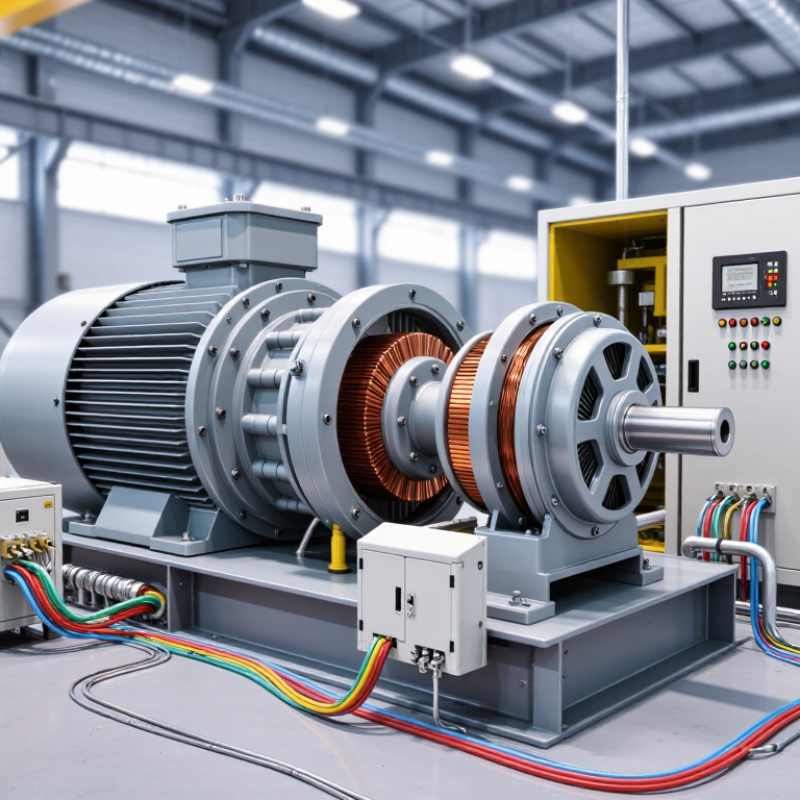
What Is a Rotary Frequency Converter and How Does It Work?

What Is a Rotary Frequency Converter?

What Is a Rotary Frequency Converter?

A rotary frequency converter is an electromechanical system that changes electrical frequency through rotating machinery. It typically combines an electric motor with a generator on one shaft. The motor accepts incoming power, while the generator produces output power at a different frequency, voltage, or phase configuration. A common application converts 50 Hz supply into 60 Hz power for equipment designed for another grid standard.

The process is tangible. You can hear the motor accelerate, feel slight vibration, and measure the new output with a power analyzer. A control panel regulates speed, voltage, and protective shutdowns. Unlike a static converter, the rotary design provides electrical separation between input and output. That isolation can help protect sensitive machinery from some disturbances, although it does not remove every power-quality problem.

The International Energy Agency has reported that electric motor systems consume roughly half of global electricity. The U.S. Department of Energy also identifies motor-driven equipment as a major industrial energy user. These figures explain why converter efficiency matters. A poorly loaded unit may waste energy as heat, even when its output appears stable. In field work, engineers should check load balance, bearing condition, harmonics, and starting current. The distinction is easy to blur. Frequency conversion is not simply voltage conversion, and a converter that works well at full load may perform differently at light load. Regular measurements remain more trustworthy than assumptions.

How Does a Rotary Frequency Converter Work?

A rotary frequency converter changes electrical frequency through a mechanical process. An incoming AC supply powers a motor, which spins a generator through a shared shaft. The generator then produces AC power at the required frequency, voltage, and phase. It is an electromechanical conversion, not a simple electronic adjustment.

The motor’s speed controls the generator’s output frequency. For example, a generator with a specific pole design must rotate at the correct speed to produce 50 or 60 hertz. Bearings, shaft alignment, and load balance matter greatly. Small mechanical errors can create vibration, noise, or unstable output. The rotating assembly also provides electrical separation between input and output, which can help protect sensitive equipment. Still, this protection depends on proper installation and grounding.

Tips: Check the converter’s rated input, output, phase configuration, and continuous power capacity. Leave space for ventilation and inspect bearings regularly. Measure frequency under real load, not only during idle testing. A quiet machine is not always a healthy machine. Temperature readings can reveal problems earlier than sound. One detail is easy to miss: starting current may briefly exceed the equipment’s running demand. The system may appear correctly sized, yet struggle when a large motor starts. Careful field measurements remain essential because published ratings cannot describe every site condition.

What Are the Main Components of the System?

A rotary frequency converter changes incoming electrical power into a different frequency and voltage. Its main components work as one mechanical and electrical chain. The motor receives the input supply and drives a generator through a flexible coupling. The generator then produces the required output frequency, often for legacy equipment that cannot accept modern electronic conversion.

The motor and generator are the core pair. Bearings support their rotating shafts, while the coupling limits vibration and absorbs small alignment errors. The control panel monitors voltage, frequency, current, temperature, and phase balance. Protective devices disconnect the system during overloads, short circuits, or excessive heat. Cooling fans and ventilation paths matter more than many installers expect. Dust can reduce airflow and shorten insulation life.

The U.S. Department of Energy’s Motor Systems Market Assessment reported that motor-driven equipment used about 68% of industrial electricity in U.S. manufacturing. The International Energy Agency has also estimated that electric motor systems consume roughly 45% of global electricity.

These figures explain why converter efficiency and maintenance deserve careful measurement. A bypass circuit may improve serviceability, while input and output filters can reduce electrical distortion. Real installations are messier. A design may meet its nameplate rating yet struggle with poor ventilation, weak power quality, or sudden load changes. Field technicians should record temperature, vibration, and output stability after commissioning, not only during factory testing.

How Are Frequency, Voltage, and Phase Transformed?

A rotary frequency converter changes electrical power by using a motor-generator set. The motor accepts incoming power, while the generator produces power with a different frequency, voltage, or phase arrangement. Unlike a simple electronic converter, this system uses rotating mechanical energy. The shaft physically separates the input and output characteristics. That separation matters.

Frequency changes through the generator’s speed and pole design. A faster rotating field generally produces a higher output frequency, while a slower speed produces a lower one. For example, a carefully controlled generator can convert 50 Hz power into 60 Hz power. Speed regulation must remain stable, or connected equipment may experience timing errors. Small variations can become noticeable in motors, clocks, and sensitive control systems.

Voltage transformation happens through the generator windings and, when needed, additional transformers. Changing winding ratios can raise or reduce the output voltage. Phase transformation depends on winding arrangement and the generator’s mechanical position. A single-phase input can support a three-phase output in suitable designs, although the result requires proper balancing. Technicians verify this with frequency meters, voltage measurements, and phase-sequence tests. I have found that checking the output under real load reveals problems that no-load testing can hide. The explanation sounds simple, but load imbalance, heat, and mechanical wear can alter performance. Not always. Periodic inspection remains essential.

Where Are Rotary Frequency Converters Used?

What Is a Rotary Frequency Converter and How Does It Work?

A rotary frequency converter changes electrical power from one frequency to another. It usually uses a motor and generator connected through a shared shaft. The motor receives incoming power, while the generator produces the required output frequency, voltage, and phase. This mechanical separation also helps reduce some electrical disturbances. Technicians still need to check load behavior carefully.

Where Are Rotary Frequency Converters Used?

Manufacturing plants use these converters to operate imported machinery with different electrical standards. A machine may require 50 hertz, while the facility supplies 60 hertz. The converter allows the equipment to run without replacing its original motor controls. It is useful for machine tools, pumps, compressors, and production lines.

Testing laboratories use rotary frequency converters to reproduce aircraft, railway, and industrial power conditions. Engineers can test motors under controlled frequency changes before field installation. Marine facilities may also use them when onboard equipment needs a different supply frequency. These systems often support older equipment that cannot accept modern electronic converters.

The choice is not always obvious. Solid-state converters may be smaller and more efficient, but rotary units can provide strong isolation and rugged performance. A poorly sized converter may overheat during startup or respond badly to changing loads. Careful inspection matters. Engineers should review starting current, operating hours, ventilation, noise, and maintenance access before installation. Practical testing often reveals details that calculations miss.

FAQS

What is a rotary frequency converter?

It changes electrical frequency through a motor-generator set. Mechanical rotation separates the input power from the output power.

How does it change frequency?

The generator’s speed and pole design control frequency. Higher speed usually creates a higher frequency. Stability matters.

Can it change voltage and phase?

Yes. Generator windings or transformers can raise or reduce voltage. Winding arrangements can also change phase configuration.

Can single-phase power become three-phase power?

Suitable designs can produce three-phase output from single-phase input. Proper balancing remains necessary. It is not automatic.

Where are these converters commonly used?

Manufacturing plants use them for machine tools, pumps, compressors, and production lines. They support equipment designed for different electrical standards.

Why do testing laboratories use rotary converters?

Laboratories reproduce controlled power conditions for motors and industrial equipment. Engineers can observe behavior before field installation.

What should technicians test after installation?

They should measure frequency, voltage, and phase sequence. Testing under real load can reveal hidden imbalance, heat, or timing problems.

What problems can poor sizing cause?

An undersized converter may overheat during startup. It may also respond poorly when loads change suddenly.

What factors matter before choosing a converter?

Review starting current, operating hours, ventilation, noise, and maintenance access. Calculations help, but practical testing may expose overlooked details.

Conclusion

A Rotary Frequency Converter is an electromechanical system that changes incoming electrical power into a different frequency, voltage, or phase configuration to meet the requirements of specialized equipment. Unlike a simple electronic converter, it uses a motor-generator arrangement in which an electric motor drives a generator at a controlled speed. This process provides stable, adaptable power for machines designed to operate on electrical standards different from the available supply.

The main components typically include an input motor, an output generator, a coupling or shaft, control equipment, protective devices, and monitoring instruments. By adjusting motor speed and managing the generator’s electrical output, Rotary Frequency Converters can transform frequency, regulate voltage, and produce single-phase or three-phase power as needed. They are commonly used in industrial facilities, transportation systems, testing laboratories, aviation support operations, and other environments where reliable power conversion is essential.


Charlotte

Charlotte

Charlotte is a highly experienced marketing professional with a strong understanding of the company’s products, customers, and industry landscape. With a thoughtful, research-driven approach, she translates complex product information into clear, practical insights that help readers make informed......