





Select from our range of CE certified high-torque three-phase asynchronous, slip-ring, and heavy-duty wound rotor induction motors engineered for severe-duty industrial applications.
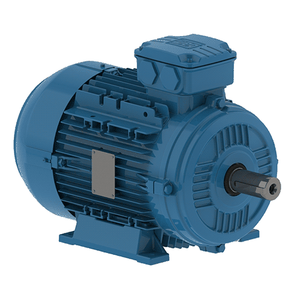
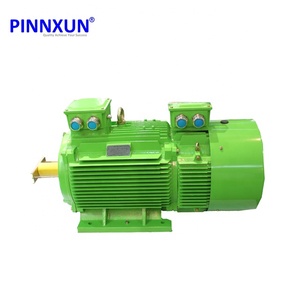
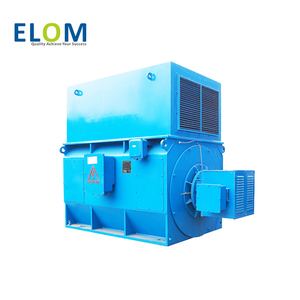
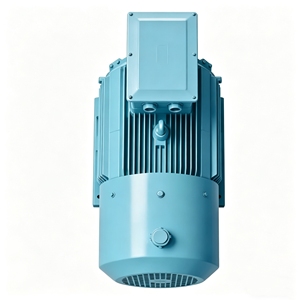
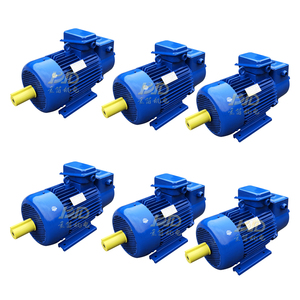
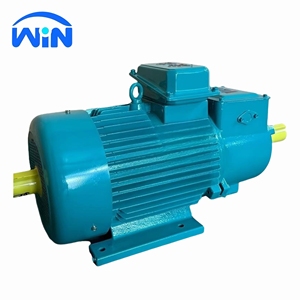
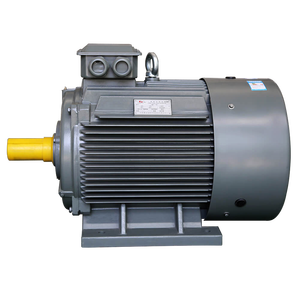
Combining over a century of British engineering excellence (TDC Parsons Peebles lineage) with modern ISO 9001 and CE compliant manufacturing processes, we build high-power electric motors that operate under the world's most severe industrial stresses.
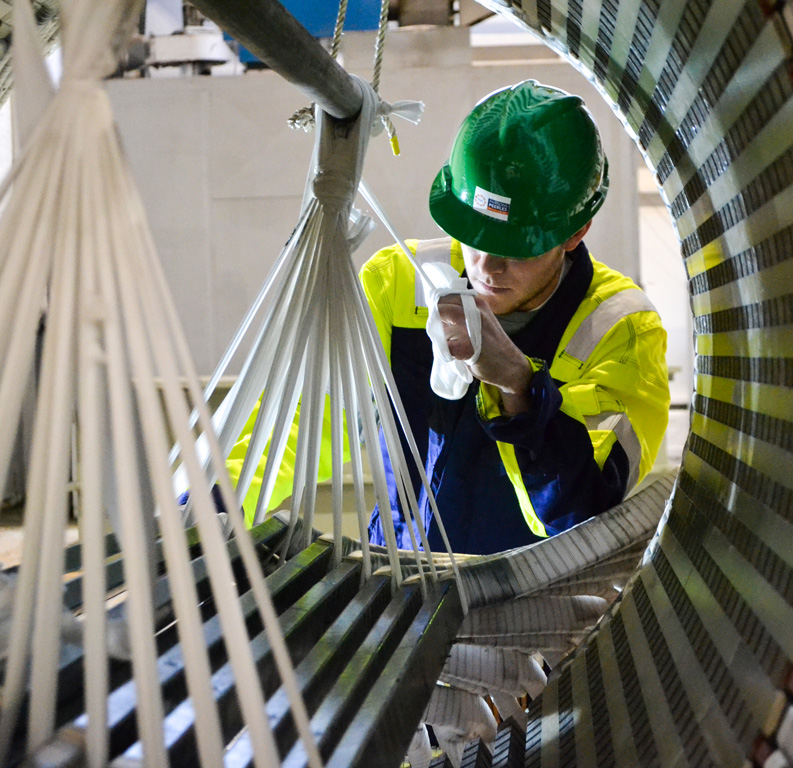
Selecting a qualified water cooled electric motor manufacturer requires evaluating electromagnetic stability, cooling jacket fluid dynamics, and long-term dielectric performance under thermal cycling. Our production lines combine automated copper winding precision with Vacuum Pressure Impregnation (VPI) class H insulation systems.
Whether supplying replacement motors 100% mechanically interchangeable with legacy installs or developing custom water-jacket cooled units for space-restricted marine thrusters, mining shredders, and power stations, our OEM capabilities eliminate expensive site structural changes while reducing energy consumption.



An in-depth technical analysis comparing liquid cooling topology against traditional air cooling (TEFC/IC411), detailing heat dissipation mechanisms, frame size reduction factors, and noise containment protocols.
Liquid cooling circuits channel demineralized water or glycol mix through stainless steel or aluminum stator jackets. By removing thermal energy directly at the stator core source, heat dissipation efficiency improves by up to 3.5× compared to ambient air convection.
All CE certified water-cooled electric motors rigorously comply with Machinery Directive 2006/42/EC, Low Voltage Directive 2014/35/EU, and EN 60034-1 thermal and electrical insulation safety requirements, establishing zero risk of liquid leakage into stator windings.
Because external high-pitch fan blades are eliminated, water-cooled electric motors operate virtually silently. Acoustic noise emissions drop below 72–75 dB(A), protecting workplace health in underground mines, subsea vessel rooms, and urban facilities.
| Performance Dimension | Water-Cooled Electric Motor (IC81W / IC86W) | Totally Enclosed Fan Cooled (TEFC IC411) | Engineering Benefit |
|---|---|---|---|
| Power-to-Weight Density | High (Up to 1.8 kW/kg) | Standard (0.5 – 0.8 kW/kg) | 35% – 50% footprint reduction for compact machinery designs. |
| Thermal Sensitivity to Ambient Air | Insensitive (Coolant inlet independent of air temp) | Highly Sensitive (Derates significantly above 40°C) | Full rated power output maintained in hot, sealed environments. |
| Operating Noise Output | Ultra-low (<75 dB(A) at 1 meter) | High (85 – 98 dB(A) due to cooling fan noise) | Complies with strict occupational noise pollution regulations. |
| Ingress Protection Rating | IP56, IP65, or IP67 (Fully Sealed Frame) | IP55 Standard (External fan casing vulnerable) | Total protection against conductive dust, mud, and water jets. |
| Stator Thermal Stability | Constant Delta T (VPI Class H, Class B Temp Rise) | Fluctuating heat zones based on airflow blockage | Extended winding insulation life exceeding 25+ years. |
As industrial decarbonization accelerates and production footprints tighten, global equipment procurement teams are transitioning from legacy air-cooled motors to smart, CE certified liquid-jacketed electric propulsion systems.
Regulatory mandates across the European Union, UK, and North America now penalize lower efficiency classes. Manufacturers are embedding high-permeability silicon steel laminations and optimized rotor geometries into water-cooled designs. Because liquid cooling prevents copper thermal resistance spikes, water-cooled electric motors maintain top-tier IE4/IE5 efficiency ratings even during continuous 100% duty cycles.
Modern procurement specifications demand integrated vibration transducers, RTD stator temperature sensors, and smart liquid flow/pressure sensors. Real-time telemetry predicts coolant degradation, scale formation, or pressure drops before micro-cavitation occurs, enabling zero-unplanned-downtime maintenance strategies.
To combat marine and chemical corrosion, premium manufacturers are replacing standard cast iron jackets with extruded aluminum-alloy or stainless-steel (316L) double-walled cooling ducts. Anti-corrosion internal coatings allow direct coupling with closed-loop glycol heat exchangers or raw industrial water circuits.
Heavy industrial drives in mining, shredding, and rubber processing are migrating from low-voltage high-current configurations to Medium/High Voltage water-cooled systems. High voltage reduces cable losses while liquid cooling compensates for high dielectric stress density, creating ultra-compact powerhouses.
Every CE certified water-cooled electric motor leaving our manufacturing facility undergoes rigorous testing, including hydrostatic pressure testing of cooling jackets (exceeding 1.5× operating pressure), core flux analysis, partial discharge verification, and full electrical load performance evaluation.
Our state-of-the-art test bays support high-voltage asynchronous motors up to 13.8kV, verifying that thermal dissipation curves align perfectly with client specification data sheets prior to global export.
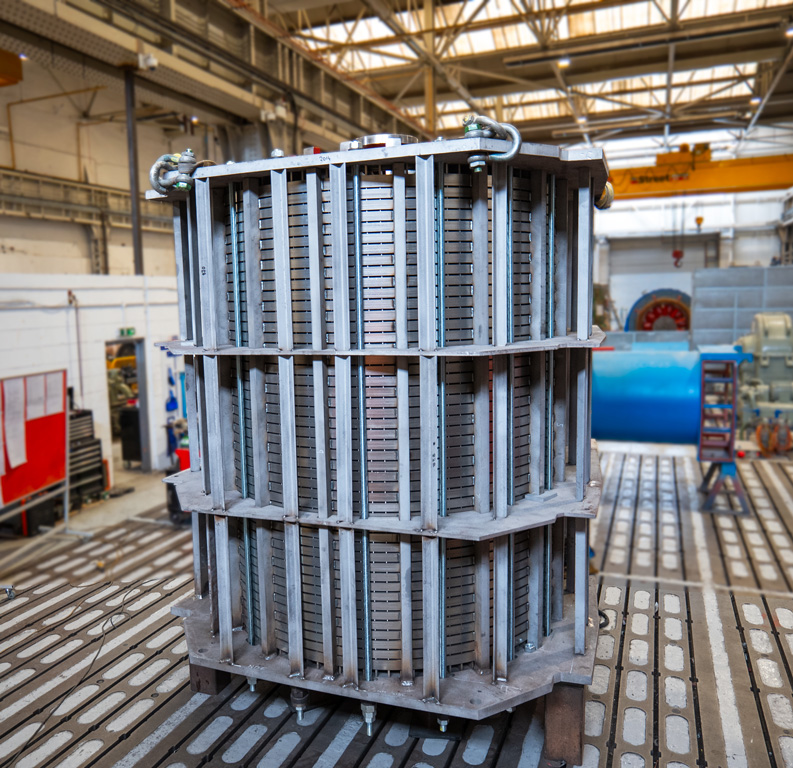
Key technical considerations for EPC contractors, plant directors, and mechanical engineers when auditing liquid-cooled electric motor OEM vendors.
Audit the manufacturer's fluid dynamics calculations. Ensure the internal jacket design maintains uniform velocity without turbulent dead zones, keeping internal pressure drops within pump specifications (typically <0.5 to 1.2 bar).
Water-cooled motors experience compact thermal dissipation profiles. Ensure the manufacturer utilizes Class H insulation impregnated with solventless resin via Vacuum Pressure Impregnation (VPI) for long dielectric breakdown resistance.
Verify that CE marking is backed by genuine EN 60034 testing reports, LVD compliance certificates, and ATEX/IECEx hazardous area documentation (where Ex ec, Ex p, or Ex e protection is required).
Answers to common engineering, installation, and operational questions sourced from industrial procurement technical inquiries.
Need custom power density calculations, drop-in replacement engineering, or instant pricing for high-voltage and severe-duty asynchronous electric motors? Connect with our engineering sales specialists today.
Send an Inquiry