





Explore our factory-direct biomass generator sets, high-torque wound rotor motors, and industrial boiler fan drives engineered for high-duty agricultural and forestry waste power plants.
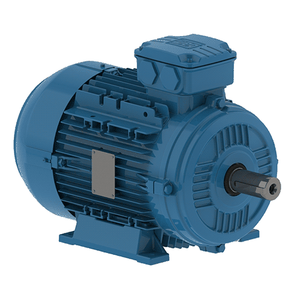
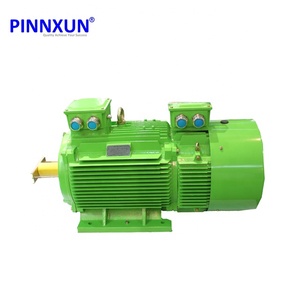
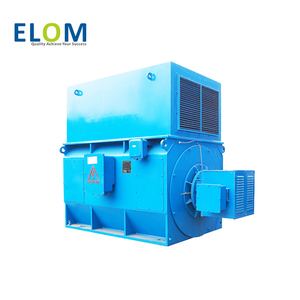
As global decarbonization mandates accelerate, biomass thermal energy and gasification power generation have emerged as core baseload renewable power sources. China's biomass generator manufacturers provide high-reliability, utility-grade equipment with significant total cost of ownership (TCO) advantages.
Bridging over 128 years of European rotating machine heritage with China's state-of-the-art heavy equipment manufacturing ecosystem.
Our manufacturing facilities adhere strictly to ISO 9001 quality management systems. We specialize in hazardous area certification including Ex ec, Ex p, and Ex e certified generators and motors for syngas and biomass gasification environments.
We provide bespoke mechanical and electrical engineering to produce 100% interchangeable replacement generators for legacy European or American machinery—eliminating expensive civil modifications and shortening installation shutdowns.
Every biomass generator undergoes stringent testing in our state-of-the-art test bays. Capabilities include Full Direct Load Testing, No-Load Testing, Back-to-Back Testing, and Core Flux Testing up to 10kV voltage levels.
Equipped with automated Vacuum Pressure Impregnation (VPI) equipment using synthetic epoxy resin systems. Stator coils are protected against tar deposit corrosion, humidity, and high thermal stresses typical in biomass thermal cycles.
We supply complete generator sets fitted with CACA (TEAAC), CACW (TEWAC), or screen-protected enclosures, engineered specifically to withstand ambient temperatures from -40°C up to +55°C in harsh biomass fuel preparation yards.
Our field service technicians and engineering specialists provide turnkey installation, laser alignment, dynamic balancing, dynamic vibration analysis, and emergency spare parts replacement worldwide.
Selecting the correct electrical generator topology is critical for optimizing plant heat rate, fuel-to-electricity yield, and continuous grid stability. Review our engineering comparison below.
| Generator Series | Prime Mover Type | Output Power Range | Voltage Options | Insulation / Cooling | Key Performance Features |
|---|---|---|---|---|---|
| TDC-BG Synchronous | Steam Turbine / Organic Rankine Cycle (ORC) | 1 MW – 50 MW | 3.3kV / 6.6kV / 10.5kV | Class H VPI / CACW (TEWAC) | Salient pole design, fast transient response, continuous power factor adjustment (0.8 lag to 0.9 lead). |
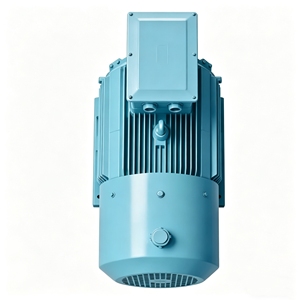
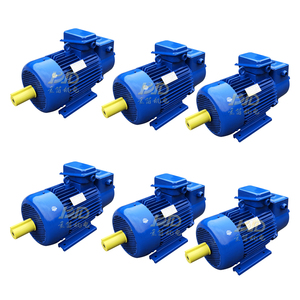
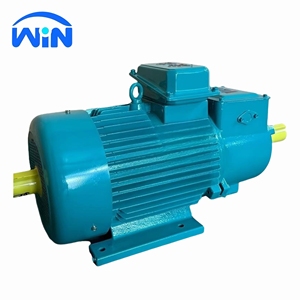
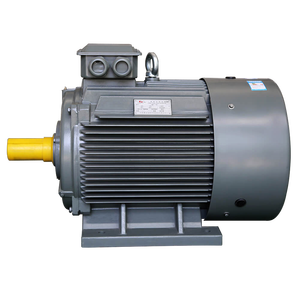
| YR / YZR Induction | Gas Engine / Syngas Gasifier | 100 kW – 3,200 kW | 380V / 400V / 690V / 6kV | Class F / IC01 or IC411 (TEFC) | High starting torque, wound rotor slip ring structure, handles severe fuel gas heating value fluctuations. |
| BGG Syngas Genset | Biomass Gasification Internal Combustion Engine | 50 kW – 2,000 kW | 400V / 415V / 6.3kV | Class H VPI / Air-to-Air CACA | Anti-tar explosion-proof construction, high moisture gas intake capability, automated air-fuel ratio control. |
| HV-IG Induction Gen | Mini Hydro / Small Biomass Steam Turbines | 500 kW – 10 MW | 6 kV / 10 kV / 11 kV | Class F / CACA (TEAAC) | Direct grid connection without synchronization panels, low maintenance rotor, robust simplified control. |
When engineering biomass power generation infrastructure, EPC contractors must evaluate fuel consistency. Agricultural residues (rice husk, bagasse, straw) and wood chips exhibit variable moisture content and calorific value fluctuations. For direct combustion plants utilizing steam boiler turbines, Salient Pole Synchronous Generators offer unmatched voltage regulation through automated digital brushless excitation systems (AVR).
Conversely, small-to-medium biomass gasification plants utilizing dual-fuel or syngas internal combustion engines benefit greatly from High-Torque Slip Ring Wound Rotor Induction Generators (YR/YZR series). These units allow dynamic rotor resistance adjustment, providing step-load absorption when gas quality fluctuates without causing frequency tripping.
Next-generation innovations reshaping efficiency, durability, and grid interaction for Chinese biomass generator OEMs.
Modern utility biomass generators are integrating embedded wireless vibration, magnetic flux, and thermal sensors within stator slots and bearing housings. Machine learning algorithms process real-time harmonics to predict bearing fatigue or rotor imbalance caused by uneven thermal expansion during rapid biomass boiler cycling.
Biomass power plants operating in humid or coastal agricultural regions present corrosive atmospheric challenges. Advanced Vacuum Pressure Impregnation (VPI) utilizing low-viscosity resin formulas ensures 100% void-free coil encapsulation, boosting electrical breakdown strength over 30kV/mm and thermal dissipation efficiency.
As intermittent solar and wind capacity expands on grid networks, biomass plants are requested to supply grid inertia. Future biomass synchronous generators are equipped with dual-mode clutch systems, allowing them to decouple from the steam turbine and function as synchronous condensers for short-circuit ratio (SCR) support and reactive power compensation.
New syngas engine-generators utilize specialized anti-corrosive cylinder lining alloys, forced crankcase positive ventilation, and spark-ignited lean-burn technology. This allows continuous electrical efficiency up to 42% even when gas streams contain trace tar particulates up to 50 mg/Nm³.
To decrease civil engineering timelines, global buyers increasingly prefer turnkey containerized biomass generator skids. Factory-tested 1MW to 3MW containerized units incorporate integrated switchgear, lube oil cooling modules, sound attenuation, and automatic fire suppression for rapid field deployment.
Advanced dual-winding high-voltage generators support multi-fuel co-firing applications (e.g., municipal solid waste combined with wood biomass pellets). Dual stator configurations enable seamless power output stabilization despite drastic changes in fuel BTU ratings.
Navigating supply chain resilience, total cost of ownership, and international standard compliance when sourcing from China.
Historically, equipment sourcing evaluated upfront CAPEX. However, international power developers now demand rigorous Life Cycle Costing (LCC) models. Top-tier Chinese biomass generator manufacturers stand out by utilizing premium materials—such as high-grade 50WW270 cold-rolled silicon steel sheets and Class H mica insulation tape—reducing total electrical losses by 12% to 18% over a 25-year operational lifecycle.
Procurement protocols now require remote real-time HD video monitoring or third-party (SGS, TÜV, Lloyd’s Register) oversight of Factory Acceptance Testing. Key verification parameters include partial discharge measurements (< 20 pC), temperature rise tests under full thermal load, and vibration spectrum testing (ISO 10816 compliance).
In-depth answers to common technical and commercial questions from global EPC buyers and plant engineers.
Consult with our senior rotating machinery engineers today for detailed CAD drawings, custom electrical design, factory direct quotations, and 100% drop-in replacement solutions.
Send an Inquiry