


Explore our flagship OEM and remanufactured heavy-duty electric induction motors, wound rotor slip ring units, and severe-duty prime movers engineered for continuous industrial performance.
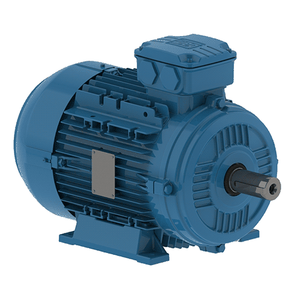
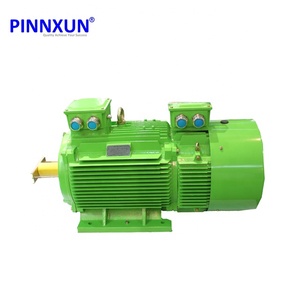
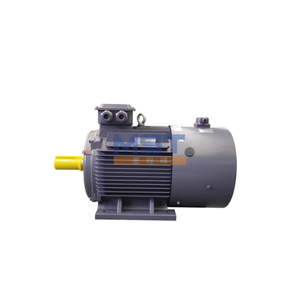
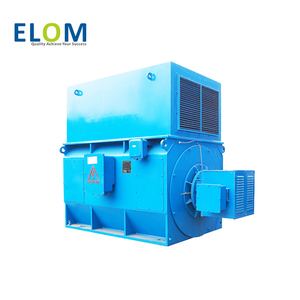
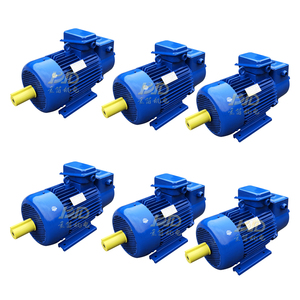
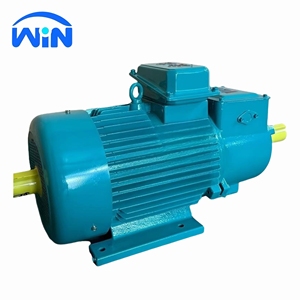
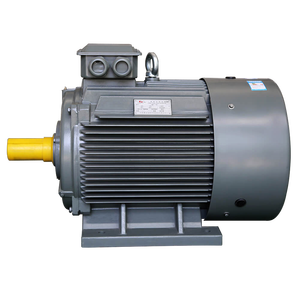
In modern power generation, petrochemical refining, mining, and heavy manufacturing infrastructure, rotating electrical machines represent the vital core of industrial operations. When high-voltage asynchronous motors, wound rotor induction machines (YR/YZR series), or salient pole synchronous generators approach operational fatigue, plant operators face a critical strategic decision: complete capital equipment replacement or engineering-grade overhaul and refurbishment. As China’s premier electrical equipment overhaul manufacturer and supplier, backed by over 128 years of combined technical heritage traceable to international benchmarks like TDC Parsons Peebles, we deliver comprehensive overhaul solutions that restore legacy electrical machinery to OEM specifications or exceed them through modern materials engineering.
Industrial electrical machine overhaul is not merely a repair procedure; it is a rigorous reverse-engineering and modernization methodology. High-voltage motors operating between 3.3kV, 6.6kV, and 11kV experience severe thermal, electrical, mechanical, and environmental (TEAM) stresses. Over extended operational cycles, stator coil insulation degrades due to partial discharge (PD), slip rings suffer from surface erosion, dynamic balance degrades under mechanical shock, and core laminations lose magnetic permeability due to eddy current losses. A master-class overhaul restores dielectric integrity, optimizes airflow dynamics, and upgrades thermal endurance from Class F to Class H standards, effectively resetting the machine’s operational clock at a fraction of the cost and lead time of procuring new capital equipment.
Information Gain Insight: According to IEEE 1068 and IEC 60034-23 standards, a precision-engineered Vacuum Pressure Impregnation (VPI) overhaul using modern solventless epoxy resins increases stator dielectric strength by up to 300% and improves thermal dissipation efficiency by 18% compared to legacy dip-and-bake insulation systems.
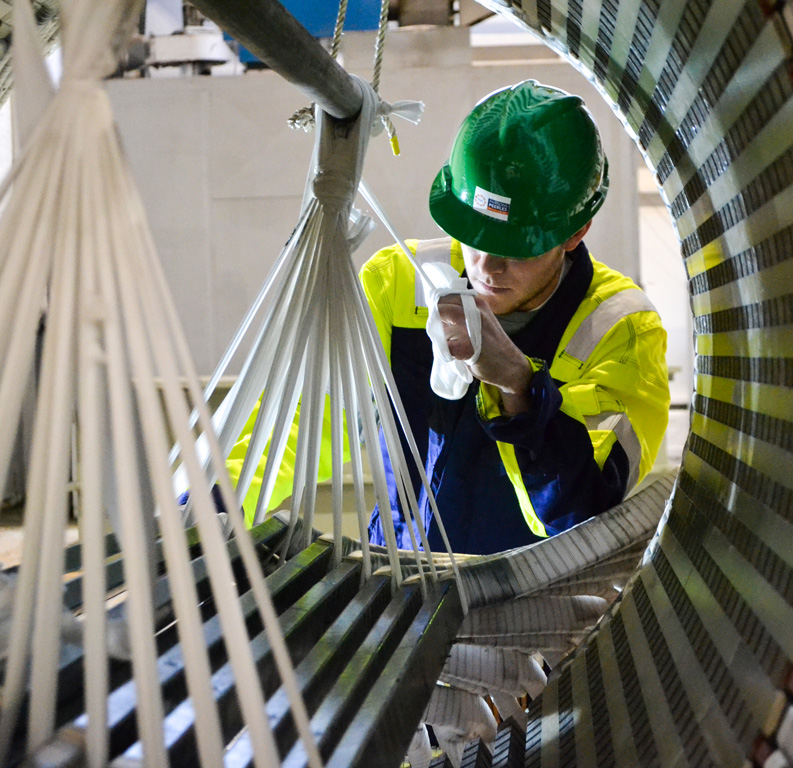
Our state-of-the-art facility integrates specialized heavy-lift infrastructure, automated coil winding machines, precision dynamic balancing bays, and high-voltage test beds. Whether remanufacturing a 3200kW YR wound rotor motor or overhauling an Ex-certified hazardous area motor, our engineering teams apply rigorous quality gates under ISO 9001 quality management systems.
Every overhauled unit undergoes rigorous non-destructive evaluation, high-potential (Hi-Pot) testing, surge testing, and full-spectrum vibration analysis to guarantee seamless integration upon re-installation at customer sites globally.
To ensure absolute reliability in mission-critical applications, our electrical equipment overhaul process follows a strictly validated 7-stage engineering protocol aligned with AEMT (Association of Electrical and Mechanical Trades) and ISO quality frameworks:
Incoming machines undergo Core Flux testing (ELCID / Loop test) to detect inter-laminar short circuits, core hot spots, and iron loss density before mechanical dismantling.
Utilizing high-grade oxygen-free copper conductors with mica tape insulation, stators are rewound and subjected to full Vacuum Pressure Impregnation (VPI) for void-free insulation.
Shaft journals are restored via thermal spray or laser cladding. Rotors undergo precision dynamic balancing to ISO 21940 Grade G1.0, eliminating operational vibration.
| Overhaul Phase | Diagnostic & Work Standard | Acceptance Criteria / Quality Threshold | Engineering Value Gain |
|---|---|---|---|
| Stator Dielectric Test | IEEE 43 / IEC 60034-27 (Tan Delta & Partial Discharge) | Insulation Resistance > 100 GΩ; Tan Delta Tip-Up < 0.5% | Prevents catastrophic winding failure under voltage surges |
| Core Laminations | Core Loss Test & Low-Flux ELCID Scanning | Specific Iron Loss < 1.1 W/kg at 1.5 Tesla; No Hotspots (> 5°C delta) | Restores electromagnetic efficiency, lowers operating temp |
| Slip-Ring & Brush Overhaul | Resurfacing, Concentricity Machining & Brush Alignment | Radial Runout < 0.02 mm; Contact Surface Smoothness Ra < 0.8 µm | Eliminates electrical arcing and extends carbon brush lifespan |
| Dynamic Balancing | ISO 21940-11 / ANSI S2.19 (High Speed Rotor Balancing) | Residual Unbalance within ISO Grade G1.0 (Bespoke Ultra-Quiet) | Extends bearing lifespan by up to 400%, lowers noise floor |
| VPI Resin Impregnation | Multi-Cycle Vacuum Pressure Impregnation with 100% Epoxy Resin | Zero Internal Voiding; Thermal Class H (180°C Rating) | Impermeable against moisture, chemical fumes, and thermal fatigue |
Selecting the optimal electrical motor model or determining the scope of overhaul requires matching electrical demand, mechanical loading, and duty cycles. Below is an engineering recommendation matrix for standard heavy industrial applications:
For applications requiring extremely high starting torque under limited power supply capacity—such as cement ball mills, mine hoists, metal crushers, and port bridge cranes—the YR and YZR Wound Rotor Induction Motor series remain unmatched. The ability to connect external resistance to the rotor circuit via slip rings allows current limiting while delivering up to 250% rated starting torque. During overhaul, particular attention must be paid to slip-ring concentricity, brush gear spring tension, and rotor winding insulation bracing.
When operating pumps, fans, compressors, and pulverizers in utilities and petro-refineries, high-voltage asynchronous motors (5.5kW to 3150kW+) minimize distribution cable losses. For greenfield procurement or replacement, multi-voltage configurable stator windings offer immense flexibility across regional grid requirements. During an overhaul, implementing CACA (Totally Enclosed Air-to-Air Cooled) or CACW (Totally Enclosed Air-to-Water Cooled) heat exchanger flushing prevents thermal throttling.
The global industrial landscape is undergoing a massive transformation driven by digitalization, energy efficiency mandates, and ESG (Environmental, Social, and Governance) targets. When procuring overhaul services or replacement electrical equipment, procurement directors must capitalize on four dominant industry trends:
Modern overhauls incorporate embedded wireless vibration sensors, RTDs (Resistance Temperature Detectors), and online Partial Discharge sensors for continuous cloud monitoring.
Overhauls are no longer simple repairs. Rewinding stators with optimized slot fill ratios and low-loss magnetic steel upgrades legacy IE1/IE2 motors to premium IE4 efficiency levels.
Refurbishing heavy rotating machines saves up to 80% of embedded carbon compared to manufacturing new steel frame castings, aligning directly with corporate net-zero targets.
Combining world-class manufacturing capabilities in China with global engineering standards modeled after heritage operations like TDC Parsons Peebles, we offer an unparalleled value proposition for international plant operators and EPC contractors:


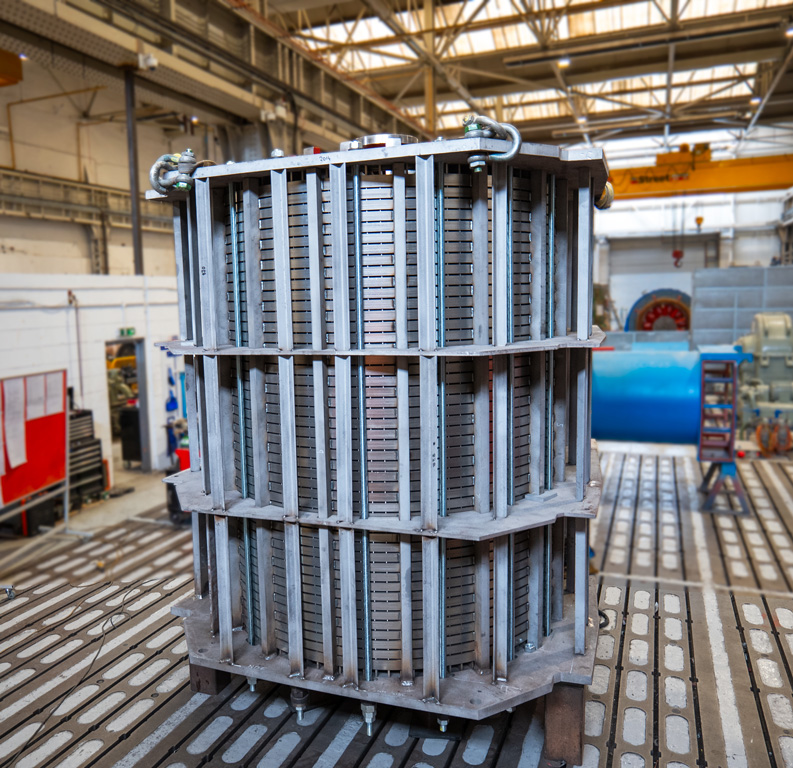
In addition to induction motors, our overhaul engineers specialize in high-voltage synchronous condensers, salient pole generators, and rotary frequency converters. From re-wedging stator slots to repairing damaged rotor poles, our precision work ensures continuous power grid stability and voltage regulation compliance.
By using modern Class H VPI resins, optimized cooling fan geometry, and high-grade anti-friction or sleeve bearing assemblies, our overhauled generators consistently deliver enhanced MW output and lower thermal stress.
Contact our senior engineering team today for technical consultations, budgetary overhaul quotes, drop-in replacement evaluations, or emergency repair response.
Inquire Now