





Explore our custom OEM high-voltage wound rotor induction motors, slip-ring drives, and heavy-duty industrial AC power systems engineered for smooth variable frequency control and high starting torque applications.
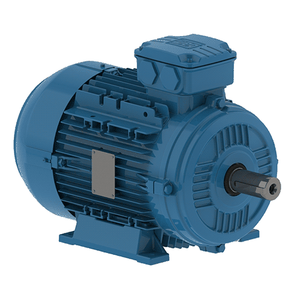
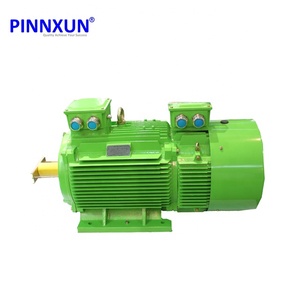
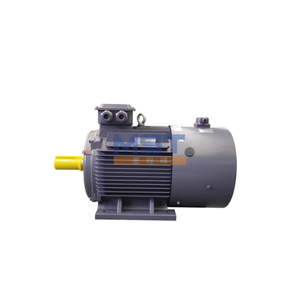
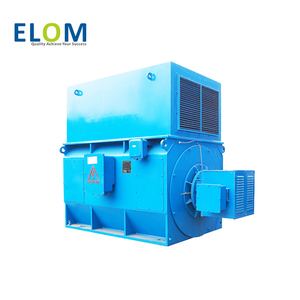
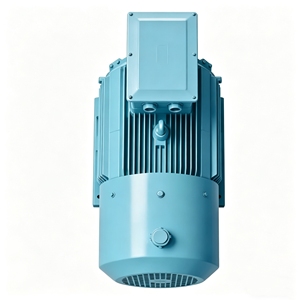
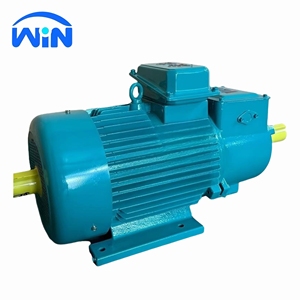
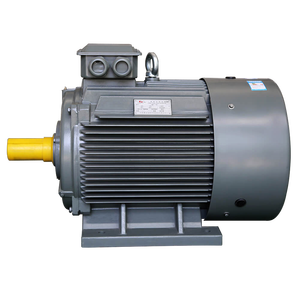
Building upon over 128 years of elite electrical rotating machinery heritage—traceable to iconic engineering pioneers and fortified across UK manufacturing facilities in Edinburgh, Rosyth Royal Dockyard (Fife), Aberdeen, and Birmingham—our enterprise stands as an authoritative force in custom OEM Variable Speed Drives (VSD), rotary frequency converters, and high-voltage AC electric motor manufacturing. We combine century-old electromechanical design mastery with modern power electronics topologies to deliver turn-key solutions tailored specifically for harsh marine, petrochemical, mining, power generation, and heavy manufacturing installations worldwide.
Full compliance with global safety standards. SGS Baseefa certified manufacturing for hazardous environments including Ex ec, Ex p (purged/pressurised), and Ex e flameproof motor designs.
Specialized in engineering custom replacement motors and drives that match historical footprint, shaft height, flange dimensions, and terminal box positions without costly civil modifications.
State-of-the-art testing bays capable of full back-to-back load testing, no-load verification, core flux testing, and dynamic vibration analysis for MV/HV systems up to 13.8kV and 20 MVA.
Our OEM capabilities extend beyond standard induction motor frames. We engineer specialized wound rotor (slip-ring) AC motors specifically tailored for variable speed operations where liquid resistance starters (LRS) or modern rotor-side inverter drives are mandated to eliminate line disturbance, limit starting current to as low as 1.0× FLC, and deliver 250% full-load torque from standstill.
The global market for custom OEM Variable Speed Drives and heavy industrial rotating machinery is experiencing a structural paradigm shift driven by stringent energy efficiency directives (such as EU Ecodesign IE4/IE5 standards), rapid industrial electrification, and the demand for grid-friendly high-voltage motor starters. As industrial processes push toward continuous digital transformation, five key technological vectors are redefining OEM variable drive manufacturing:
Next-generation VSD systems are shifting from legacy two-level pulse-width modulation (PWM) drives to Cascaded H-Bridge (CHB) and Neutral Point Clamped (NPC) multi-level topologies. The integration of Silicon Carbide (SiC) and Gallium Nitride (GaN) power modules allows switching frequencies to increase significantly while reducing switching thermal losses by up to 40%. This technological shift minimizes total harmonic distortion (THD < 3%) at the motor terminals without requiring heavy external sine-wave filters.
Technical Gain Insight: Modern OEM multi-level VSDs reduce common-mode voltage stress ($dV/dt$), preventing early insulation breakdown in legacy high-voltage motor stator windings and eliminating shaft-current-induced bearing fluting.
For ultra-high-power industrial machinery such as cement kilns, SAG mills, mine winders, and large water pumps, direct inverter control on massive squirrel-cage stators can incur high capital expenditures. Advanced OEM factories are pioneering Slip Energy Recovery (SER) drives and doubly-fed induction motor configurations. By connecting a low-voltage VSD strictly to the wound rotor circuit via slip rings, plant operators achieve ±30% speed regulation while sizing the inverter power electronics to only 30% of total motor rating—yielding substantial capital cost reductions without sacrificing dynamic speed torque performance.
Operating electric motors under variable frequency power supplies exposes stator windings to high peak voltage spikes and thermal stress during low-speed cooling restrictions. Advanced OEM manufacturing utilizes mica-tape insulation systems treated with 100% solid epoxy resins via automated Vacuum Pressure Impregnation (VPI) cycles. Class H and Class N thermal ratings ensure superior dielectric strength, zero moisture ingress, and thermal longevity even under severe harmonic heating conditions.
OEM Variable Speed Drives are evolving into intelligent diagnostic hubs. Smart drive systems incorporate real-time high-speed sensors for stator current signature analysis (MCSA), optical vibration tracking, slip-ring brush wear telemetry, and thermal imaging. Transmitted via industrial protocols (PROFINET, Modbus TCP, OPC UA), these data feeds allow cloud analytics platforms to construct predictive maintenance Digital Twins, preventing catastrophic operational failures before they occur.
Procurement executives and engineering directors operating in capital-intensive heavy industries face expanding supply chain complexities and evolving compliance mandates. Sourcing custom variable speed drives and heavy AC motors requires a strategic transition from initial purchase cost evaluation to lifetime Total Cost of Ownership (TCO) optimization:
Global buyers are prioritizing OEM factories capable of high mechanical modularity. Custom frame dimensions, dual terminal box positions, left/right hand cooling duct orientations (CACA/CACW), and tailored shaft extension geometries eliminate expensive on-site retrofit labor during plant overhauls.
High-value procurement strategies mandate stringent FAT protocols prior to shipment. Leading suppliers must provide full load string testing—pairing the customer's exact VSD cabinet with the dedicated high-voltage motor to verify thermal rise, harmonic distortion, vibration profiles, and emergency trip responses before site commissioning.
Strategic Procurement Takeaway: Energy accounts for over 90% of an industrial motor's total lifecycle cost over a 20-year operation period. Specifying custom VSD systems tailored to actual process torque demand curves routinely delivers return on investment (ROI) payback within 12 to 18 months through energy savings and reduced mechanical wear.
Answers to critical engineering, installation, and procurement questions regarding custom OEM Variable Speed Drives, slip-ring motors, and medium-voltage power equipment.