





Explore our certified range of high-voltage asynchronous motors, wound rotor induction machines, and prime mover generator sets engineered for utility-scale power systems and severe industrial environments.
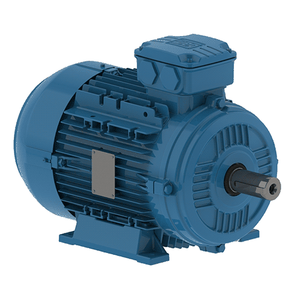
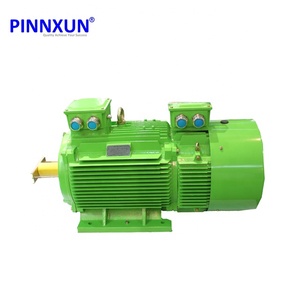
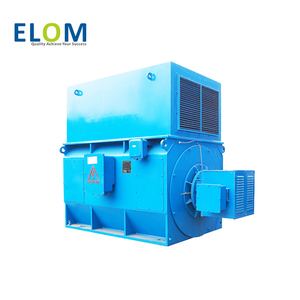
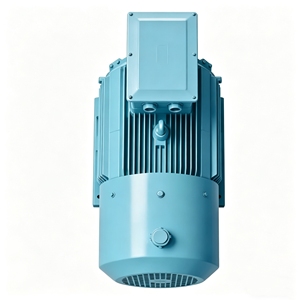
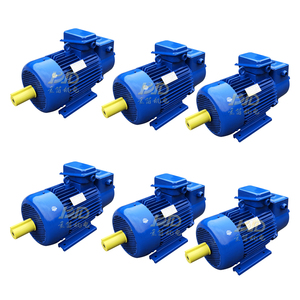
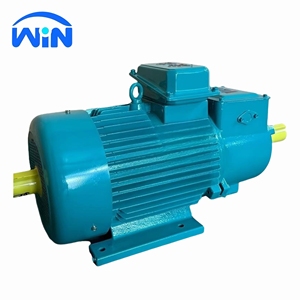
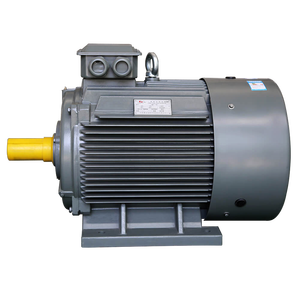
In the era of modern energy transition and industrial decarbonization, gas turbine generator systems serve as the cornerstone of worldwide grid stability, baseload manufacturing, and distributed combined heat and power (CHP) architecture. Selecting leading gas turbine generators manufacturers requires navigating a sophisticated landscape of high-voltage (HV) electromagnetic design, thermal envelope optimization, transient load response, and compliance with stringent international grid codes (IEEE 115, IEC 60034, NEMA MG1).
As global power grids experience increasing penetration of asynchronous renewable generation, synchronous gas turbine generators are called upon not merely for MW active power delivery, but crucially for their inertia, fault-level contribution, and reactive power compensation (MVAR capability). Advanced manufacturing protocols emphasize high-inertia rotor construction, salient pole topology, and digital brushless excitation systems to deliver immediate dynamic grid support.
Gas turbine prime movers operate at high angular velocity, typically coupled either directly at 3000/3600 RPM (2-pole synchronous configuration) or via heavy-duty reduction gearboxes to 1500/1800 RPM (4-pole salient pole or wound rotor induction systems). Understanding the operational trade-offs between generator topologies is crucial for EPC contractors and plant directors.
Engineered for direct-drive high-speed gas turbines (3000/3600 RPM). Features solid forged steel rotors with precision-machined longitudinal slots and direct hydrogen or air cooling to handle extreme centrifugal stresses.
Ideal for gear-driven gas turbines (1500/1800 RPM). Offers superior damper winding integration, enhanced transient stability during grid faults, and flexible reactive power capability across lag/lead power factors.
Applied in specialized prime-mover starter/generator topologies and variable-speed systems. Provides immense starting torque with low inrush current via liquid resistance starters or slip-ring regulation.
To facilitate procurement decisions, our engineering team has compiled a technical comparison of high-voltage generator configurations across critical performance metrics:
| Specification / Parameter | Cylindrical Synchronous | Salient Pole Synchronous | High-Voltage Wound Rotor |
|---|---|---|---|
| Prime Mover Speed (50/60Hz) | 3000 / 3600 RPM (Direct Drive) | 1500 / 1800 RPM (Geared) | 750 - 1500 RPM (Variable/Aux) |
| Power Capacity Range | 20 MVA – 350 MVA+ | 5 MVA – 80 MVA | 5.5 kW – 15,000 kW |
| Voltage Ratings | 6.3 kV, 11 kV, 13.8 kV, 15 kV | 3.3 kV, 6.6 kV, 11 kV | 380V, 3kV, 6kV, 10kV |
| Cooling Topology Options | CACW (TEWAC) / Hydrogen | CACA (TEAO) / CACW | Open Drip-Proof (IP23) / CACA |
| Thermal Insulation Class | Class H VPI (Class B Rise) | Class H VPI (Class F Rise) | Class F / H Synthetic Resin |
| Grid Inrush Current Impact | Synchronized (Zero Inrush) | Synchronized (Zero Inrush) | 1.0× to 2.5× FLC with Starter |
| Hazardous Area Certification | Ex p (Pressurized), Ex ec | Ex p, Ex ec, Ex e | ATEX / IECEx Zone 2 Certified |
Procurement directors and municipal power utility engineers must evaluate long-term asset viability. The gas turbine generator market is undergoing three revolutionary shifts:
Next-generation gas turbines are transitioning from 100% natural gas to blends containing up to 30%–100% Hydrogen (H₂). Hydrogen combustion increases flame velocity and moisture content in exhaust gas. Factory designs now incorporate specialized anti-corrosive rotor retention rings and reinforced bearing seals to handle elevated thermal radiant heat.
With retiring coal assets, grid operators require reactive power support without active fuel burn. Leading manufacturers now supply gas turbine generators equipped with automatic clutch mechanisms (SNC self-shifting synchronous clutches). This enables the generator to disconnect from the turbine once started and run as a Synchronous Condenser to inject VARs into the grid.
Unplanned downtime in a 50 MW gas turbine plant can cost over $100,000 daily. Modern OEM generators feature embedded fiber-optic RTDs, capacitive partial discharge (PD) sensors, and tri-axial vibration accelerometers pre-wired to an on-board IIoT edge gateway for predictive health scoring.
Plant retrofits demand zero civil foundation modifications. Top-tier factories specialize in custom foot-print engineering, supplying replacement generators that perfectly align with legacy shaft heights, terminal box orientations, and oil lubrication skids from historic manufacturers.
Combining the legendary legacy of Parsons Peebles (founded in 1896) with TDC’s comprehensive electrical repair capabilities, our UK manufacturing facilities in Rosyth, Dunfermline, and Birmingham represent the pinnacle of rotating machinery craftsmanship.



Standard engineered-to-order high-voltage gas turbine generators typically range from 24 to 36 weeks, depending on power rating, voltage class (e.g., 11kV vs 13.8kV), and cooling system complexity (CACA vs CACW). Rapid-replacement drop-in units can be fast-tracked through our dedicated engineering team.
CACA (Totally Enclosed Air-to-Air Cooled) relies purely on ambient air passed through an external heat exchanger tubeset, making it ideal for arid environments where cooling water is unavailable. CACW (Totally Enclosed Air-to-Water Cooled / TEWAC) utilizes an internal water heat exchanger, offering a smaller footprint, lower acoustic signature, and higher thermal efficiency where cooling water skids exist.
Yes. We specialize in 100% mechanically and electrically interchangeable drop-in replacement units. Our laser-scanning team captures existing shaft centerline heights, foot-hole geometry, terminal box locations, and cooler flange dimensions to fabricate a exact-fit replacement machine.
We manufacture generators certified under ATEX and IECEx for Ex ec (Increased Safety / Non-sparking) and Ex p (Pressurized enclosures). Pressurization skids ensure that hazardous hydrocarbon gases cannot penetrate the high-voltage winding cavity during operation.
Wound rotor machines (slip-ring motors) allow insertion of external rotor resistance during startup. This generates massive starting torque (up to 250% of full load torque) while restricting electrical grid inrush current to near 1.0× full load current, protecting sensitive power plant auxiliary buses during heavy equipment startup.
Whether you require a custom gas turbine generator, a drop-in replacement motor, or high-voltage testing expertise, our senior engineering team is ready to consult on your project specifications.