





Explore our flagship heavy-duty continuous rating electrical rotating machines engineered for continuous operation, high starting torque, and extreme environmental durability across global industrial infrastructures.
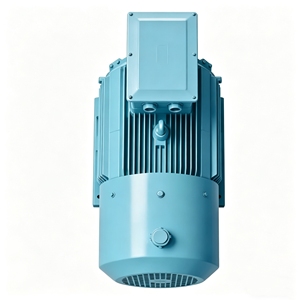
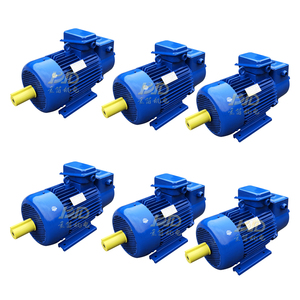
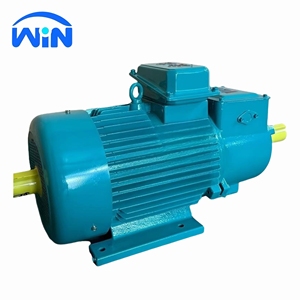
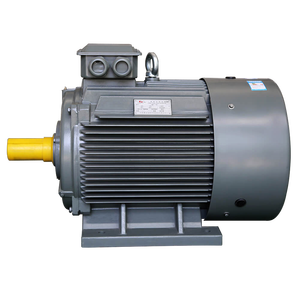
In modern heavy industrial applications—ranging from offshore energy platforms, metallurgical rolling mills, and mining hoists to municipal water networks and baseload power plants—the demand for uncompromising reliability in rotating electrical equipment is paramount. As a globally recognized leader and premier manufacturer of high voltage electrical machines, TDC Parsons Peebles (incorporating the legacy of Parsons Peebles, TDC Aberdeen, and Electric Products Cleveland Ohio) brings over a century of continuous engineering refinement to the global market.
Originating in 1896, our engineering teams have pioneered key breakthroughs in high-voltage motor design, salient pole synchronous generator manufacturing, and rotary frequency conversion. Today’s industrial power systems require more than off-the-shelf catalog products; they necessitate customized electromagnetic modeling, drop-in replacement flexibility, strict hazardous area ATEX/IECEx certifications, and comprehensive high-voltage load testing capabilities.
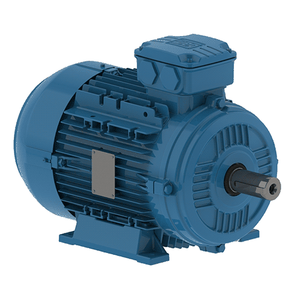
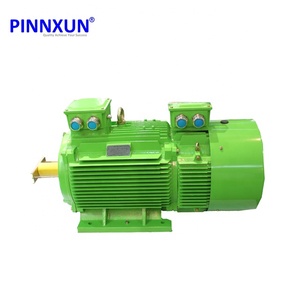
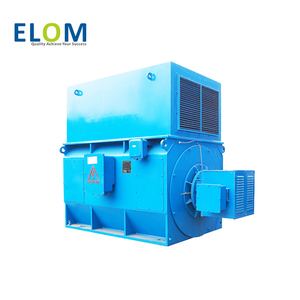
Wound Rotor Induction Motors (WRIM), commonly designated as Slip Ring AC Motors (such as the YR and YZR industrial series), remain the primary drive of choice for applications requiring high starting torque combined with exceptionally low starting current drawn from weak electrical grids. Unlike conventional fixed-geometry squirrel-cage induction motors, slip ring motors feature a three-phase insulated winding on the rotor connected via heavy-duty collector rings and carbon brushes to an external liquid rheostat or dynamic resistance bank.
“By inserting external resistance into the rotor circuit during startup, the phase displacement between rotor voltage and rotor current is optimized. This enables WRIM systems to develop up to 250% full-load torque while keeping starting currents under 1.5× full-load current (FLC), protecting upstream transformers and weak grid infrastructure.”
The following data visualization matrix outlines key performance parameters across heavy industrial drive topologies:
| Drive Topology | Starting Torque (% FLC) | Starting Current Inrush | Thermal Stress Location | Grid Harmonic Impact | Ideal Heavy Industrial Application |
|---|---|---|---|---|---|
| Wound Rotor / Slip Ring (YR/YZR) | 200% - 250% | 1.0× - 1.5× FLC | External Resistor / Rheostat | Negligible (Clean Sine Wave) | Mine Winders, Cranes, Ball Mills, Cement Plants |
| Direct-On-Line (DOL) Cage Motor | 100% - 150% | 6.0× - 8.0× FLC | Internal Rotor Cage / Stator | Negligible | Standard Pumps, Fans, Light Conveyors |
| VFD Driven Induction Motor | 150% - 200% | 1.0× - 1.2× FLC | Internal Motor Core & Inverter | High (Requires THD Filtering) | Precision Speed Control, Modern Process Lines |
| High-Voltage Synchronous Motor | 120% - 180% | 4.0× - 6.0× FLC | Damper Winding / Rotor Core | Improves Power Factor (Leading) | Continuous Baseload Compressors, Gas Turbines |
Strategic foresight for procurement managers, plant engineering directors, and EPC contractors navigating energy transitions and asset life extension.
Global environmental regulations (EU MEPS, NEMA Premium, IEC 60034-30-1) are driving procurement teams toward minimum IE3 and IE4 efficiency standards. High voltage motors operating continuously at 6kV–10kV can yield lifecycle energy cost savings exceeding 10x the initial capital expenditure of the machine.
Rather than incurring millions in civil foundation overhauls and piping realignments, enterprise buyers are choosing customized 'drop-in' replacement motors. Modern electromagnetic design allows engineering exact physical footprints, shaft heights, terminal box locations, and electrical parameters of legacy machines dating back 40+ years.
Growth in hydrogen processing, offshore LNG terminals, and petrochemical refining demands increased safety standards. Procurement focus has shifted heavily toward certified Ex ec (non-sparking), Ex p (pressurized), and Ex e (increased safety) high voltage designs verified by third-party bodies such as SGS Baseefa.
Modern high-voltage motors and power generators are integrated with tri-axial vibration sensors, PT100 bearing/winding RTDs, magnetic flux probes, and online partial discharge (PD) monitoring. Real-time diagnostic telemetry eliminates catastrophic failures and schedules maintenance based on actual operational stress.
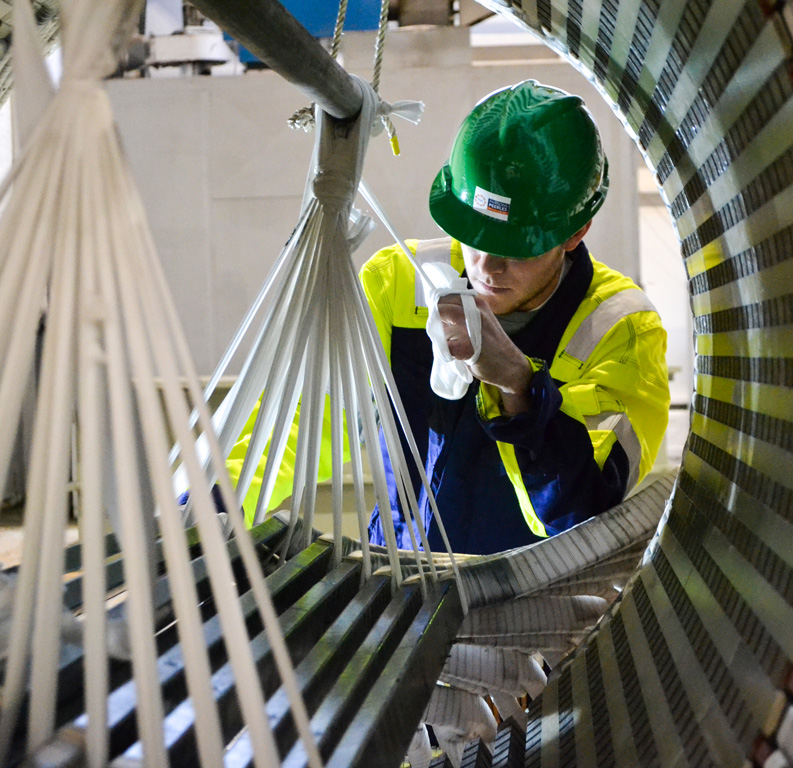
Every high voltage motor and continuous-duty generator constructed at TDC Parsons Peebles undergoes Class H/F mica tape insulation application followed by state-of-the-art Vacuum Pressure Impregnation (VPI). This process guarantees complete void-free resin fill, exceptional dielectric strength, and immunity to moisture and chemical contaminants.
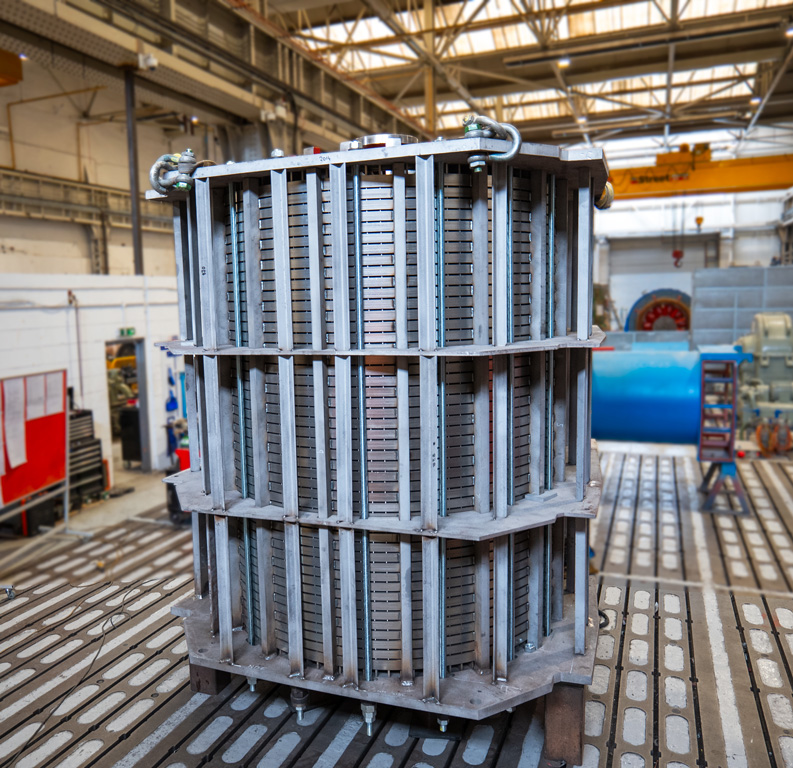
We engineer custom Salient Pole Synchronous Generators, High Voltage Induction Generators, and Slipring Generators tailored for hydro turbines, diesel engines, and gas turbine power generation setups. Engineered for tough grid compliance, our generators incorporate robust damps and automatic voltage regulators (AVR) for transient load stability.
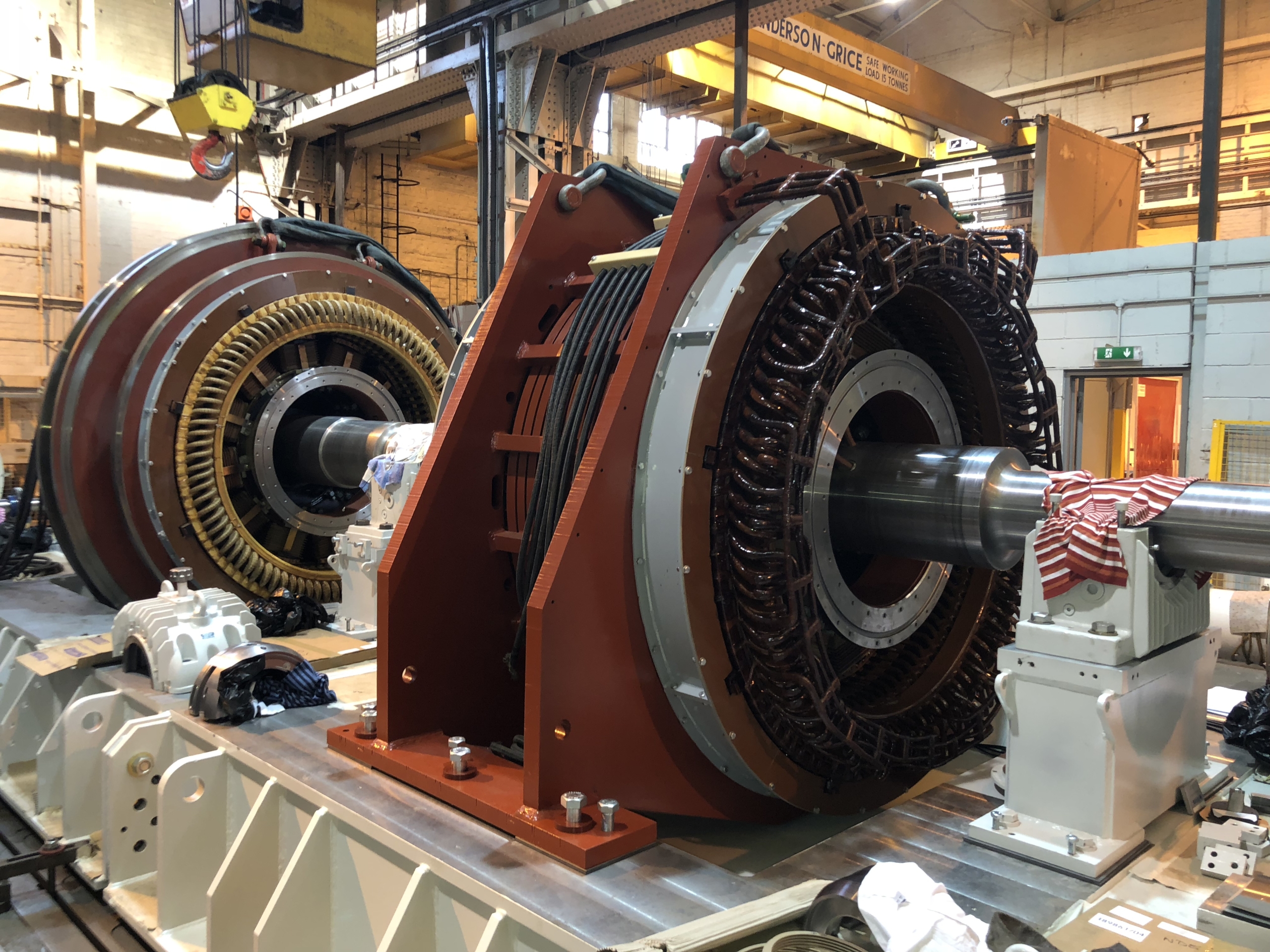
With over 200 MVA of total installed capacity worldwide, TDC Parsons Peebles leads the market in heavy electromechanical frequency conversion (50Hz to 60Hz or 60Hz to 400Hz). Rotary converters provide clean sinusoidal power, total galvanic isolation, and massive short-circuit capability that static electronic converters cannot match in severe industrial or defense environments.
Our UK engineering and manufacturing complexes strictly comply with internationally audited standards to ensure ultimate operational safety and reliability.



Wound Rotor Induction Motors allow the insertion of external resistance into the rotor circuit during starting via slip rings. This mechanical-electrical arrangement optimizes the rotor power factor, generating maximum torque (up to 250% of nominal) while restricting inrush current to around 1.0× to 1.5× full load current. This avoids severe voltage dips across supply lines and protects mechanical couplings from extreme shock loads during acceleration.
Our engineering team utilizes historic archive drawings (covering legacy Parsons Peebles, Peebles Electrical Machines, Bruce Peebles, and Cleveland Electric Products) combined with 3D laser scan technology on site. We match shaft centerline height, foot mounting hole coordinates, terminal box orientation, cooling duct alignments, and transient electrical characteristics so the new motor bolts directly onto original foundations without structural modifications.
We manufacture and repair high voltage motors certified for explosive atmospheres under ATEX and IECEx directives through accredited notified bodies such as SGS Baseefa. Available protection types include Ex ec (non-sparking, Zone 2), Ex p / Ex px / Ex py (pressurized enclosures for Zone 1 and Zone 2), and Ex e (increased safety), certified for operation in gas groups IIA, IIB, and IIC.
Our UK test facilities are equipped to conduct full high-voltage routine and type testing up to 13.8kV. Testing procedures include No-Load Testing, Full Load Temperature Rise Testing, Back-to-Back Load Testing, Core Flux Interlaminar Testing, Partial Discharge Measurement, Dynamic Balancing, and Acoustic Sound Level Measurement, all fully documented in comprehensive Factory Acceptance Test (FAT) reports.
Rotary Frequency Converters utilize interconnected synchronous electrical machines that provide true physical/galvanic isolation between supply and output grids. They deliver a pure sinusoidal waveform free from electronic harmonic noise (THD), boast extreme overload withstand capabilities (up to 300% short-circuit fault clearing), and provide decades of robust operational life under rugged environmental conditions.
Connect directly with our senior application engineers to review technical specifications, discuss replacement legacy motors, or request detailed pricing for high-voltage industrial power systems.