




Direct OEM Supply of High-Efficiency Induction Motors, Wound Rotor Slip Ring Generators, and Heavy Industrial Duty Rotating Machinery Approved for Offshore & Marine Operations

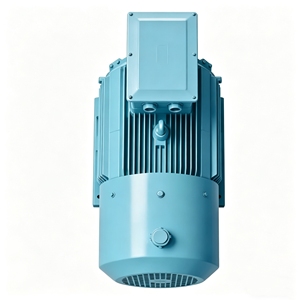
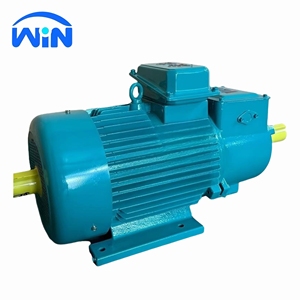
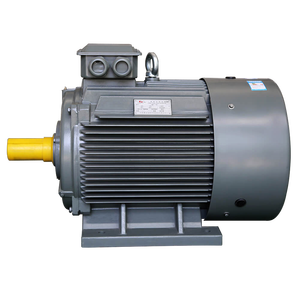
Marine duty generators and heavy-duty marine rotating electrical machinery represent the critical power heartbeat of commercial fleets, offshore vessels, naval surface combatants, and deep-sea energy platforms. Operating within hypersaline, high-vibration, and thermally dynamic marine environments requires power generation equipment built far beyond standard industrial specifications. Selecting top-tier marine generator manufacturers requires a comprehensive evaluation of electromagnetic engineering, thermal dissipation topology, Vacuum Pressure Impregnation (VPI) insulation resilience, and global marine classification approvals (DNV, ABS, Lloyd’s Register, Bureau Veritas).
This technical whitepaper provides shipowners, naval architects, offshore EPC contractors, and marine procurement directors with an authoritative analysis of modern marine generator manufacturing. By integrating over a century of high-voltage (HV) electrical machine heritage—exemplified by UK engineering traditions at Rosyth Royal Dockyard and Birmingham manufacturing hubs—this document highlights core selection criteria, future decarbonization procurement trends, structural durability requirements, and vital field operational parameters.
Key Engineering Gain: Unlike standard industrial generators, marine duty synchronous and induction generators must accommodate dynamic pitch/roll angles up to 22.5°, withstand transient voltage spikes from heavy winch start-ups, maintain Total Harmonic Distortion (THD) below 3%, and offer Class H insulation derated for Class F temperature rises under ambient maritime deck conditions (+45°C to +55°C).
Whether specifying auxiliary generator sets for container vessels, high-torque wound rotor induction motors for heavy anchor handling winches, or synchronous condensers for marine hybrid microgrids, understanding OEM design nuances ensures operational reliability, extended Mean Time Between Failures (MTBF), and seamless compliance with IMO Tier III emission standards.
True authority in marine power generation stems from proven field performance and rigorous engineering compliance. Carrying over 128 years of continuous electrical machinery manufacturing heritage—built upon legacy engineering brands such as TDC Parsons Peebles and Electric Products Cleveland—our manufacturing network delivers customized, heavy-duty rotating electrical machines engineered for extreme operational environments.
Fully certified Ex ec, Ex p, and Ex e explosion protection for hazardous deck zones, hydrocarbon transport, and FPSO topsides independently validated by SGS Baseefa.
100% mechanical and electrical interchangeability. Engineering exact replacement units for legacy marine installations without requiring deck structural modifications.
Comprehensive full-load, back-to-back, core flux, and no-load testing capability for high-voltage generators (3.3kV up to 11kV) guaranteeing dynamic stability.
Operating under ISO 9001, ISO 14001, and ISO 45001 quality management systems across primary European and Asian production centers, our facilities specialize in custom electrical machine configurations: CACA (Totally Enclosed Air-to-Air Cooled), CACW (Totally Enclosed Air-to-Water Cooled), and IP55/IP56 marine duty enclosures. From low-starting-current induction motors to high-output slipring generators, every unit undergoes strict Quality Assurance protocols to survive salt fog corrosion, thermal cycling, and mechanical shock loads up to 15G.
The maritime industry is undergoing an unprecedented technological shift driven by decarbonization mandates, the IMO Strategy on Reduction of GHG Emissions, and the implementation of Energy Efficiency Existing Ship Index (EEXI) and Carbon Intensity Indicator (CII) ratings. Over the next decade, marine generator procurement will no longer depend solely on initial capital expenditure (CAPEX); total cost of ownership (TCO), fuel versatility, electrification capability, and digitalization will dictate purchasing decisions.
| Procurement Parameter | Legacy Marine Generators (Pre-2020) | Next-Gen Marine Generators (2025+) | Strategic Value / Benefit |
|---|---|---|---|
| Insulation Thermal Class | Class F (155°C) Standard VPI | Class H (180°C) with Nanocomposite VPI | +30% Extended Life under Salt Fog & Thermal Spikes |
| System Voltage Architecture | Low Voltage (440V / 690V AC) | Medium/High Voltage (3.3kV / 6.6kV / 11kV) | Reduces Cable Mass, I²R Losses & Switchgear Footprint |
| Coupling & Drive Topology | Fixed Speed Direct-Coupled Diesel | Variable Speed Permanent Magnet / DFIG Shaft Drive | Unlocks Up to 15% Fuel Efficiency Gains Across Load Cycles |
| Digital Integration | Analog Alarm Contacts (4-20mA) | Modbus TCP / OPC-UA / Cloud Digital Twin | Enables Predictive Maintenance & Eliminates Unplanned Downtime |
Designing electrical machines capable of enduring continuous duty on high seas requires targeted engineering solutions. Marine generators face aggressive environmental stressors including salt spray, high humidity, diesel exhaust particulates, torsional vibrations from diesel prime movers, and heavy pitch/roll movement. Below are the benchmark technological innovations incorporated into top-tier marine duty equipment:
Vacuum Pressure Impregnation (VPI) utilizing solventless epoxy resins ensures complete void-free insulation, protecting stator windings against moisture ingress, salt deposit tracking, and dielectric breakdown.
Equipped with insulated non-drive-end (NDE) bearings and micro-fiber shaft grounding rings to eliminate Electrostatic Discharge Machining (EDM) caused by variable frequency drive (VFD) harmonics.
Heavy fabricated steel frames with marine-grade anti-corrosive epoxy painting (C5M rating), stainless steel hardware, and anti-condensation heating elements for harsh deck atmosphere resistance.
For applications demanding high starting torque with minimal current draw—such as marine heavy-lift cranes, winches, bow thrusters, and dredge pumps—Wound Rotor (Slip Ring) induction machines (YZR/YR series) offer distinct operational superiority over standard squirrel cage induction units. By connecting external resistance matrices across the slip rings, starting currents are restricted to as low as 1.2× Full Load Current (FLC) while delivering 250% full-load starting torque. This protects onboard diesel generator grids from severe voltage dips and frequency collapse during heavy machinery startup.
All marine-duty generators and motor units can be manufactured, tested, and certified to meet major International Association of Classification Societies (IACS) rules, including DNV-GL, ABS, Lloyd’s Register (LR), Bureau Veritas (BV), and RINA, adhering strictly to IEC 60092 standards.
VPI replaces trapped air pockets in stator windings with a dense resin matrix. This prevents salt-laden air, humidity, and chemical contaminants from penetrating coil turns, thereby preventing inter-turn short circuits and significantly prolonging generator insulation life.
Yes. Utilizing extensive dimensional archives and precision reverse-engineering capabilities, custom replacement generators and high-voltage motors can be built with 100% mechanical foot-print matching and electrical interchangeability, avoiding costly hull modifications.
CACW (Totally Enclosed Air-to-Water Cooled) is preferred for enclosed engine rooms due to higher heat transfer efficiency and lower noise levels, using shipboard sea-water cooling loops. CACA (Totally Enclosed Air-to-Air Cooled) is ideal for open-deck environments where cooling water loops are unavailable.
Slip ring motors allow variable resistance insertion into the rotor circuit during startup. This restricts starting inrush current to near-nominal levels (1.0–1.5x FLC) while maintaining peak torque, preventing generator tripping or blackout risks on vessel microgrids.
Depending on frame size (from 280 to 1600 frame sizes), voltage ratings (380V to 11kV), and specific classification society witness testing requirements, custom marine generator production typically ranges from 8 to 16 weeks, with fast-track emergency production options available.
Connect directly with our senior electrical application engineers to review design drawings, obtain custom performance curves, or request comprehensive product catalogs for your shipboard or offshore project.
Get Catalog