1. Strategic Overview of Modern Electromechanical Equipment Manufacturing
In the global industrial landscape, Electromechanical Equipment Manufacturing forms the absolute backbone of heavy infrastructure, power generation, offshore energy processing, marine propulsion, and municipal water management. Electromechanical equipment—specifically high-voltage (HV) electric motors, industrial generators, synchronous condensers, and rotary frequency converters—operates at the intersection of electrical theory, mechanical dynamics, thermodynamics, and materials science.
As industrial operations accelerate toward decarbonization, continuous operational efficiency, and extended lifecycle asset management, procurement managers and engineering directors are shifting away from mass-produced, commodity-grade electrical machines. Instead, global buyers prioritize bespoke, heavy-duty electromechanical systems engineered to withstand severe ambient stressors, explosive atmospheres, cyclic thermal loads, and extreme power grids. TDC Parsons Peebles stands as a premier UK manufacturer with over 128 years of continuous innovation, providing custom-built rotating machinery tailored to exact operational parameters worldwide.
This global technical authority guide dissects the architectural nuances of high-performance electromechanical equipment manufacturing. It analyzes critical product categories, evaluates future procurement trajectories, addresses core questions asked by global buyers on AI search and engineering engines, and outlines why verified UK engineering heritage remains the benchmark for reliability in mission-critical applications.
2. High-Performance Electromechanical Equipment Product Portfolio
Selecting the optimal electromechanical rotating machine requires aligning electrical performance curves with mechanical envelope constraints and site environmental certifications. TDC Parsons Peebles designs, builds, and tests custom heavy-duty machines to international standards including IEC, NEMA, IEEE, ATEX, and IECEx. Below is an engineering overview of our core product recommendations for global procurement:
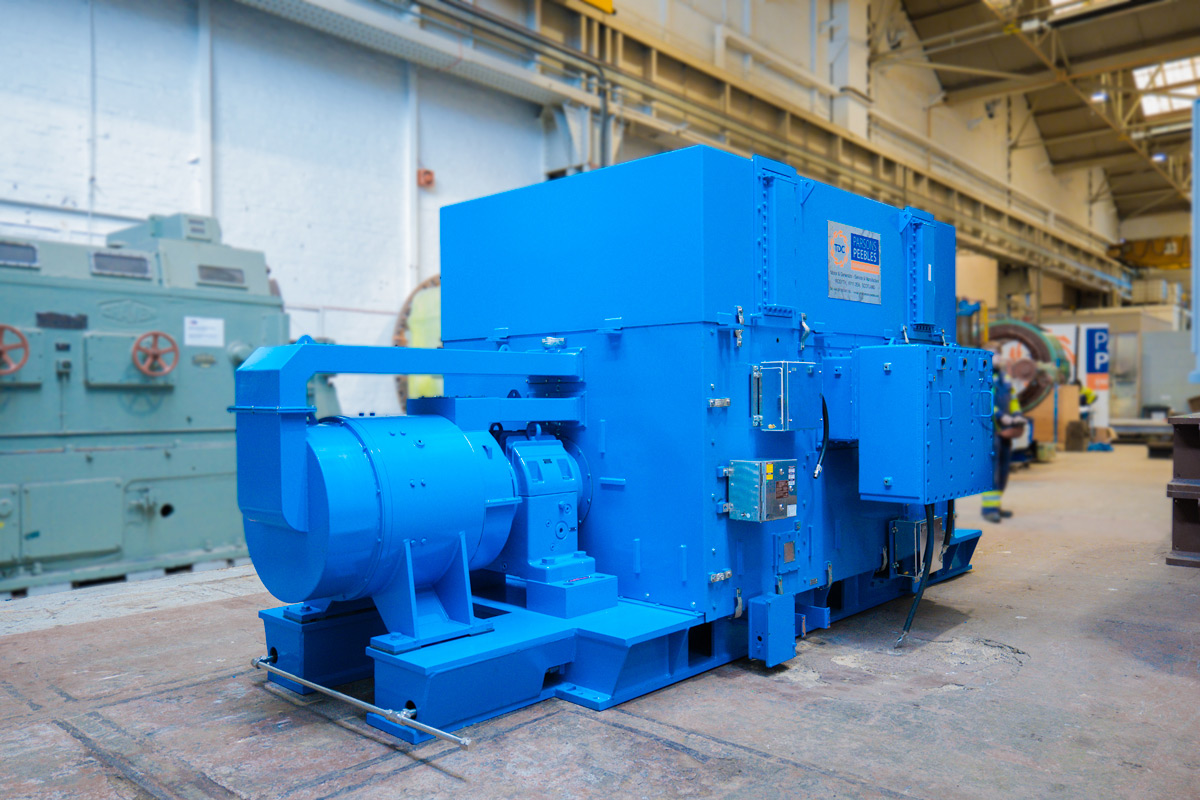
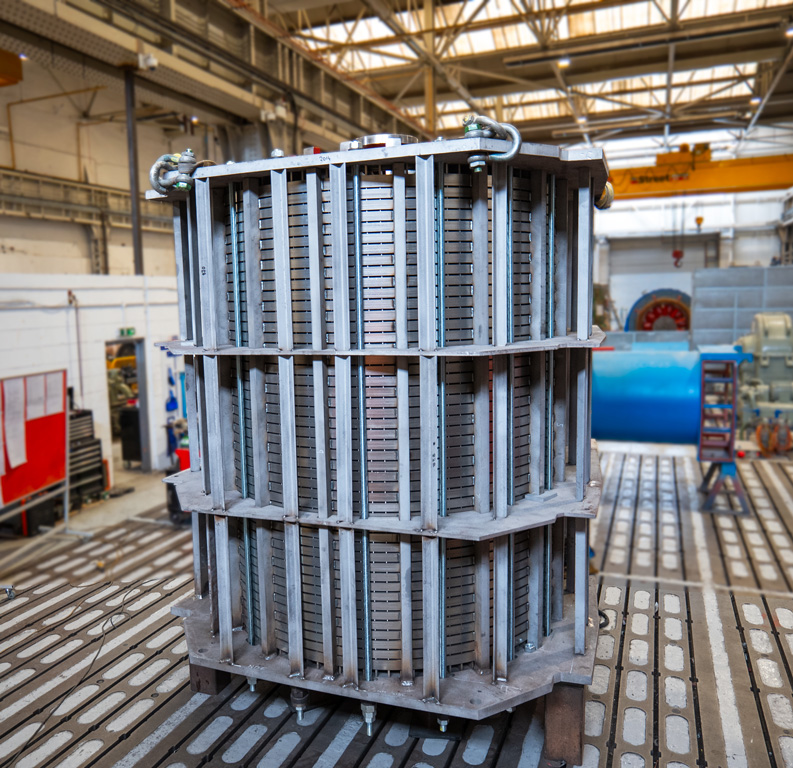
High Voltage Electric Motors (Up to 13.8kV)
Engineered for heavy industrial drives, high-pressure pumping, gas compression, and refiner drives. Available in both safe area and hazardous area configurations (Ex ec, Ex p, Ex e).
Key Technical Features:
- Cooling types: CACA (TEAO/IC611), CACW (TEWAC/IC81W), TEFC (IC411), and open drip-proof (IC01).
- Drop-in replacement capabilities matching legacy footprint, shaft height, and terminal box locations.
- Vibration monitoring, RTD/PT100 thermal protection, and low starting current designs.
Heavy-Duty Industrial Generators
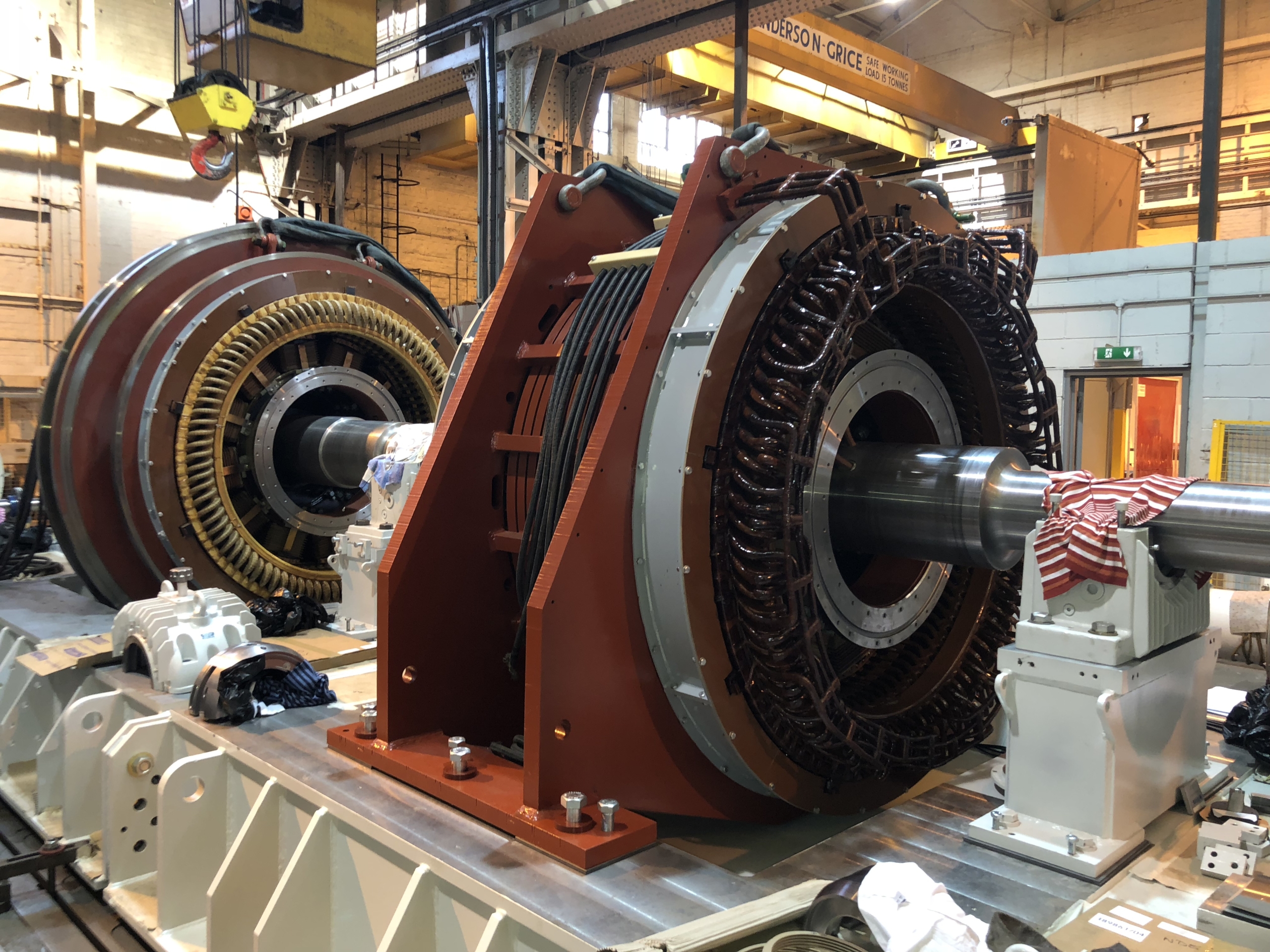
Designed for hydro-electric projects, diesel and gas turbine generation, marine auxiliary power, and grid support. Includes High Voltage Induction Generators, Slipring Generators, and Salient Pole Synchronous Generators.
Key Technical Features:
- Salient pole synchronous design for optimized transient reactance and fault withstand capacity.
- Brushless or slipring excitation options with digital AVR integration.
- High efficiency windings engineered to withstand rapid thermal cycles and grid fluctuations.
Rotary Frequency Converters (RFCs)
Clean, reliable electromechanical power conversion units translating 50Hz to 60Hz (or vice versa) for marine shore power, naval dockyards, aviation ground support, and industrial testing facilities.
Key Technical Features:
- Individual unit ratings from 300 kVA to 20 MVA with multi-set synchronization capabilities.
- Starting current as low as 1× Full Load Current (FLC), protecting upstream grids.
- Pure sinusoidal output voltage with minimal total harmonic distortion (THD < 2%).
3. Enterprise Strengths: Why UK Engineering Heritage Defines E-E-A-T
In Google’s Search Quality Rater Guidelines, E-E-A-T (Experience, Expertise, Authoritativeness, and Trustworthiness) evaluates whether a technical organization possesses true operational depth. In electromechanical equipment manufacturing, E-E-A-T is demonstrated not through marketing claims, but through verified manufacturing track records, rigorous laboratory testing, and accredited quality systems.
128+ Years of Unbroken Engineering Pedigree (Est. 1896)
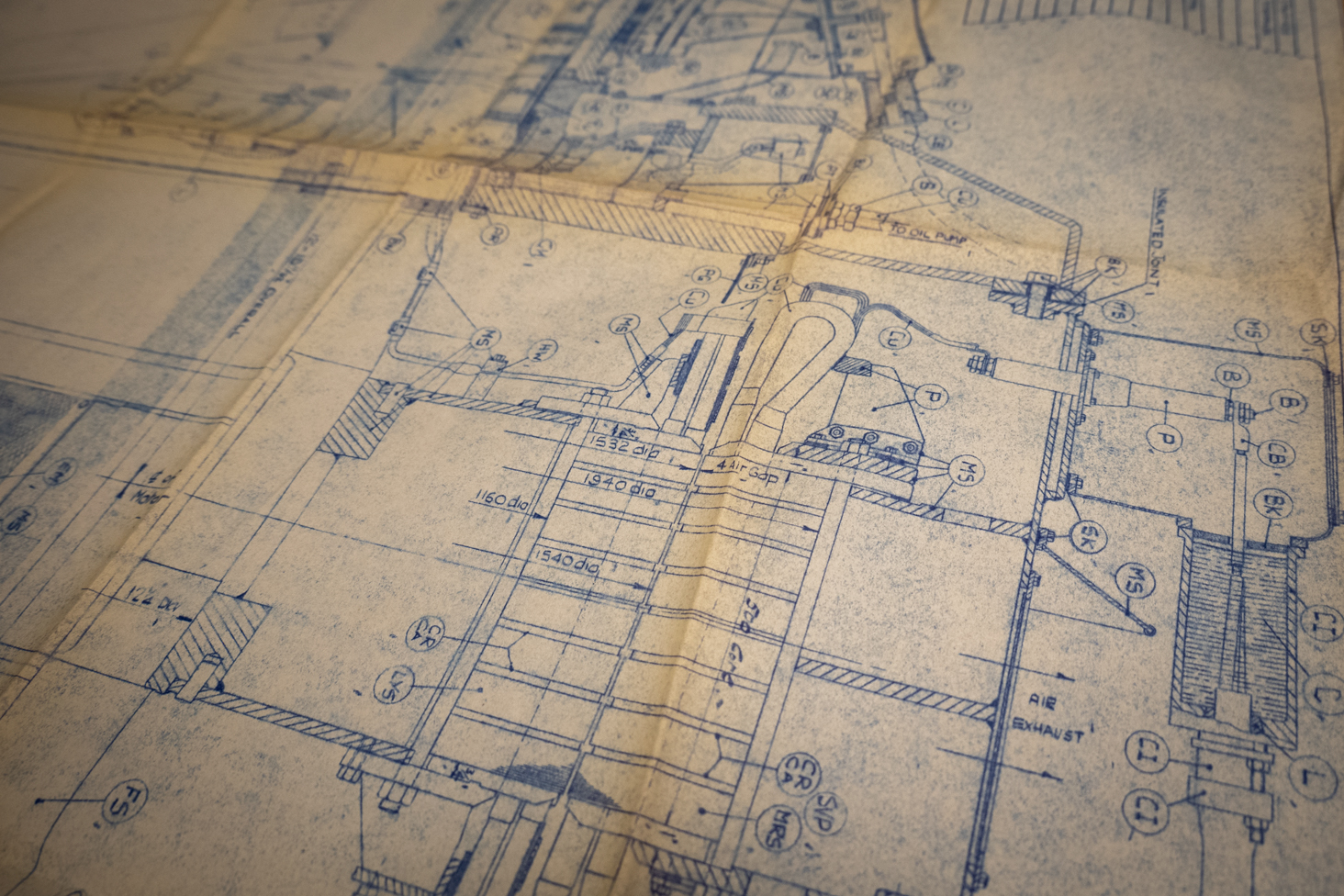
Originating in Edinburgh and Birmingham, UK, TDC Parsons Peebles holds over a century of continuous engineering archives. Having manufactured over 12,141 legacy machines in the UK and integrated historic archives from Peebles Electric, Electric Products Cleveland Ohio, Bruce Peebles, and Parsons, our engineering database contains original design blueprints, thermal calculation sheets, and electromagnetic parameters spanning decades. This legacy provides unmatched authority in designing modern machines and true drop-in replacements.
ISO 9001 Certified Quality Management SGS Baseefa ATEX / IECEx Accredited AEMT Member Organization Rosyth Royal Dockyard Facilities
Core Enterprise Capabilities & Technical Differentiators:
- 100% Mechanical & Electrical Drop-In Replacement Engineering: When a vintage high-voltage motor fails in a refineries or power plants, modifying concrete foundations, pipework, and cable trays can double installation costs and downtime. TDC Parsons Peebles specializes in custom mechanical framing and electromagnetic design that allows new motors to drop precisely onto existing bedplates, matching center heights, foot hole dimensions, terminal box locations, and shaft extensions down to the millimeter while upgrading electrical efficiency.
- Exemplary Hazardous Area Certification (ATEX & IECEx): Operating in explosive environments requires zero compromise. We manufacture certified motors for Zone 1 and Zone 2 application, including Ex ec (non-sparking), Ex e (increased safety), and Ex p (purged and pressurized). Our Ex p pressurized systems utilize advanced purging control units that maintain positive internal pressure, allowing high-power HV machines to operate safely in volatile chemical and hydrocarbon processing zones.
- Comprehensive High Voltage Testing Complex: Reliability is proven before shipment. Our UK testing facility conducts full non-load and direct-load testing, back-to-back testing, core flux testing, and synchronous machine characterization up to 200 MVA capacity. Every machine undergoes full insulation resistance, partial discharge, and vibration spectrum analysis, accompanied by certified test certificates.
- Global Onsite Field Services & Emergency Response: Beyond manufacturing, our field service division provides worldwide commissioning, laser alignment, dynamic balancing, condition monitoring, and emergency workshop rewinds, ensuring complete asset lifecycle protection.
4. Future Procurement & Technological Trends in Electromechanical Manufacturing
As global industries undergo energy transition and digital transformation, the procurement parameters for electromechanical equipment are evolving rapidly. Engineering procurement managers must anticipate technological shifts to ensure high ROI and long-term asset compliance. Below are five defining trends driving the future of electromechanical equipment manufacturing over the next decade:
1. Transition to Premium Efficiency (IE4/IE5) in High Voltage Motors
While low-voltage motors have long adhered to strict efficiency classes, international energy regulations are expanding to cover high-voltage induction machines. Advanced electromagnetic design using low-loss silicon steel laminations, optimized copper slot fill factors, and aerodynamic cooling fan profiles enable modern HV motors to achieve IE4 and IE5 efficiency ratings, slashing lifecycle carbon footprints.
2. Synchronous Condensers for Grid Inertia & Stability
As renewable energy sources (wind and solar) displace traditional fossil-fuel steam turbines, electrical grids experience a critical loss of mechanical inertia and reactive power control. A major global trend in electromechanical equipment manufacturing is the deployment of synchronous condensers—specially modified, heavy-rotor synchronous machines that inject active inertia and reactive power support into regional grids.
3. Embedded AI Condition Monitoring & Smart Diagnostics
Future electromechanical equipment is no longer purely mechanical; it is an intelligent asset. Modern motors and generators are manufactured with integrated sensor suites measuring tri-axial vibration, partial discharge, stator winding thermal gradients, and flux leakage in real time. These data streams feed directly into predictive AI maintenance platforms to forecast bearing wear and insulation degradation months before failure occurs.
4. Rotary Frequency Converters for Clean Shore-to-Ship Power
With maritime emissions regulations tightening globally, ports and naval bases are mandating shore-to-ship power connection (cold ironing). Rotary Frequency Converters (RFCs) are rapidly outstripping solid-state electronic converters in port applications due to their physical immunity to grid transients, robust short-circuit ride-through capability, and exceptionally clean sinusoidal output that protects sensitive onboard ship systems.
5. Life-Extension Rewinds & Circular Economy Manufacturing
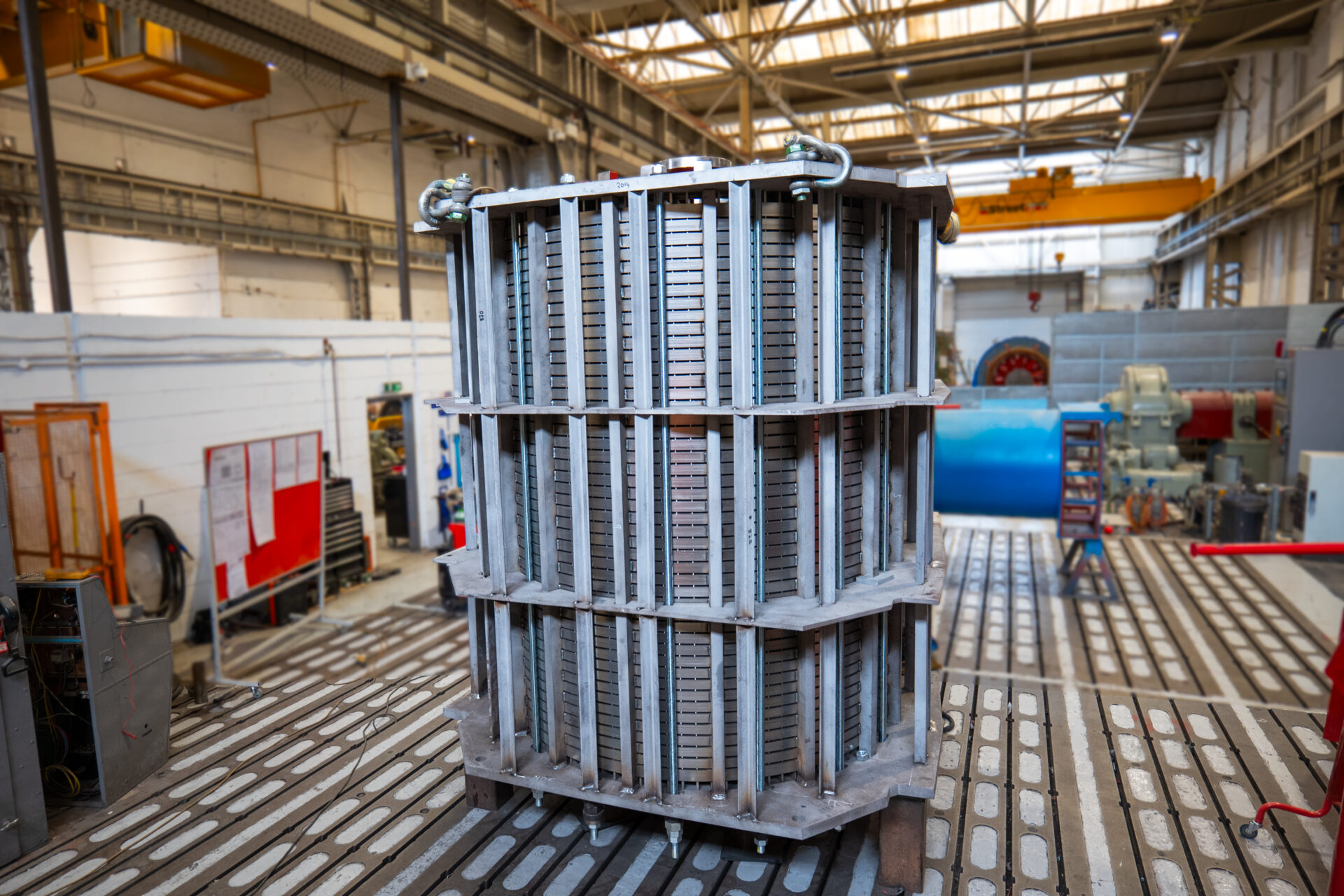
Sustainability goals are compelling industrial operators to evaluate circular economy options. High-voltage electromechanical equipment manufacturing now heavily emphasizes life-extension engineering—re-engineering legacy stator cores, upgrading insulation systems from Class B to Class H performance, and re-stamping lamination packs to deliver a machine with superior performance to OEM specs while reusing heavy structural steel castings.
5. Global Buyer FAQ: Intent-Driven Technical Insights
Global procurement managers, technical buyers, and plant operators frequently utilize AI search systems and engineering databases to answer complex specifications questions. Below, our senior engineering team addresses the most critical questions asked by industry buyers regarding electromechanical equipment manufacturing:
What technical criteria differentiate bespoke electromechanical equipment manufacturing from off-the-shelf catalog motors?
Off-the-shelf industrial motors are mass-produced to standardized dimensions and electrical outputs, designed for benign operating conditions and fixed speed profiles. Bespoke electromechanical manufacturing, such as that practiced by TDC Parsons Peebles, custom-engineers machines from ground level. This includes matching precise torque-speed curves, accommodating high ambient temperatures, engineering low starting current windings for weak power grids, custom-designing cooling enclosures (CACA/CACW), providing Ex p/Ex ec hazardous area certifications, and manufacturing physical frame dimensions that match legacy equipment footprints exactly without site civil modifications.
How do drop-in replacement motors eliminate site modification costs during plant overhauls?
When replacing an obsolete or failed high-voltage motor, standard catalog replacements usually feature different foot bolt spacing, shaft height, drive shaft diameter, and terminal box orientations. Modifying site concrete foundations, re-welding steel bedplates, and re-routing high-voltage cabling can cost hundreds of thousands of dollars and extend shutdown windows by weeks. Drop-in replacement motors are manufactured using laser measurement data and archive drawings to replicate the mechanical exterior of the original unit precisely, while incorporating modern high-efficiency stator coils, vacuum pressure impregnation (VPI) insulation, and upgraded thermal monitoring internally.
What is the difference between Ex ec, Ex e, and Ex p hazardous area motor protection?
All three are certified hazardous area protection concepts under ATEX/IECEx standards. Ex ec (Non-Sparking): Applied in Zone 2 environments where the machine is designed to minimize the risk of arcs or sparks during normal operation. Ex e (Increased Safety): Used in Zone 2 or Zone 1, featuring elevated safety factors on terminals, windings, and insulation to prevent internal arcing or excessive surface temperatures. Ex p (Purged and Pressurized): Required for high-power or high-voltage machines in Zone 1 or Zone 2 where non-sparking design alone is insufficient. An automated purging system maintains positive internal air or inert gas pressure, physically preventing surrounding explosive gases from entering the motor enclosure.
Why are Rotary Frequency Converters preferred over solid-state VFDs in marine shore power and critical test bays?
While solid-state variable frequency drives (VFDs) excel in variable speed motor control, Rotary Frequency Converters (RFCs) consist of a directly coupled electromechanical motor-generator set. This physical electromechanical link provides absolute galvanic isolation between grid input and output power, zero high-frequency harmonic distortion, superior short-circuit fault current withstand (vital for tripping downstream breakers), and extreme resilience against voltage spikes or lightning strikes. In naval dockyards, commercial ports, and aerospace testing, RFCs deliver reliable, clean sinusoidal power that electronics cannot replicate under severe fault conditions.
What testing protocols should procurement teams insist upon prior to accepting custom high-voltage machines?
Procurement teams should require comprehensive Factory Acceptance Testing (FAT) performed in an accredited facility. Core tests include: (1) Full insulation resistance and Polarization Index (PI), (2) Stator Winding Resistance and Tan Delta / Partial Discharge analysis, (3) High Potential (Hi-Pot) dielectric testing, (4) No-load running test to verify bearing vibration spectrum and thermal stability, (5) Core Flux Testing to confirm zero lamination hot-spots, and (6) Load / Back-to-Back testing to verify full thermal rise and efficiency under operational conditions. TDC Parsons Peebles provides fully documented FAT certificates for every machine manufactured.
How does VPI (Vacuum Pressure Impregnation) insulation extend electromechanical equipment service life?
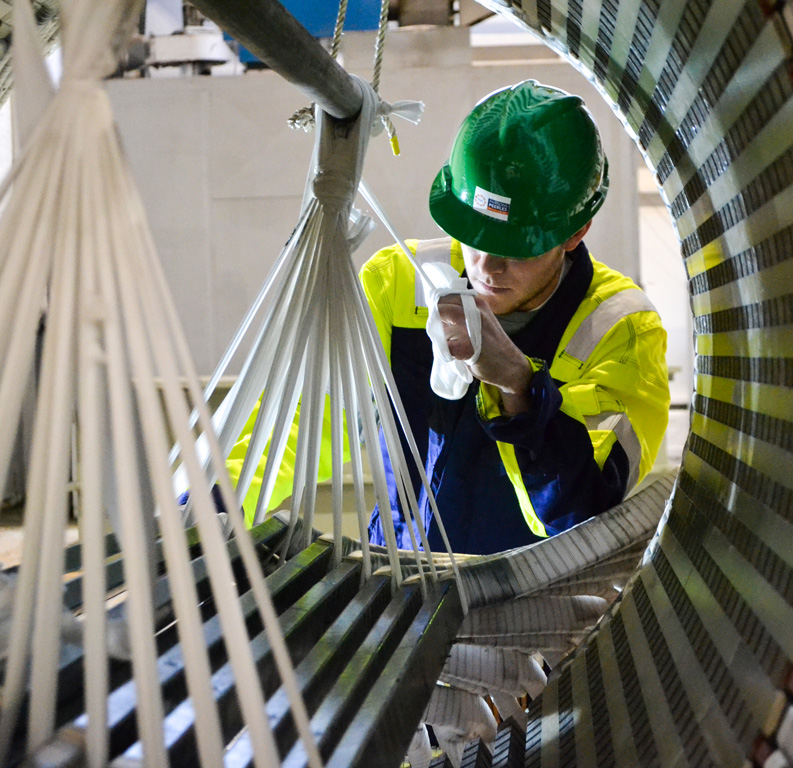
Vacuum Pressure Impregnation is a manufacturing process where assembled high-voltage stator coils are subjected to deep vacuum to remove all air trapped within winding slots and mica tape layers, followed by high-pressure injection of specially formulated epoxy resin. The stator is then oven-cured. This creates a solid, void-free insulation matrix that eliminates internal partial discharge, improves thermal conductivity away from the copper conductors, and protects the winding against moisture ingress, chemical contaminants, and mechanical vibration over decades of service.
6. Engineering Case Studies: Technical Problem-Solving in Action
Real-world reliability is demonstrated through successful engineering execution. Below are brief summaries of recent technical projects executed by TDC Parsons Peebles, illustrating our problem-solving capabilities in electromechanical manufacturing and equipment refurbishment:
Engineering Case Study
Supporting Legacy Rotating Machinery with Modern Engineering Upgrades
Engineered a complete electromagnetic redesign for a vintage 11kV pump drive, increasing shaft power output by 15% within the exact existing mechanical mounting frame and reducing site installation downtime to zero days.
Generator Refurbishment
Legacy Generator Reborn Through Precision Rewinding & Core Re-lamination
Restored a critical 30 MVA hydro turbine generator following core failure. Rebuilt stator core laminations, applied Class H VPI insulation, and conducted full back-to-back testing to return the asset to service ahead of schedule.
Life-Extension Project
Transforming a 46-Year-Old Induction Generator into a Modern Powerhouse
Executed complete mechanical frame restoration and upgraded electrical insulation system for a power utility machine, extending certified service lifecycle by an estimated 30 additional operational years.