






1. Executive Overview: The Strategic Imperative of Industrial Condition Monitoring
In modern heavy industrial facilities—ranging from offshore oil & gas platforms, nuclear and hydro power stations, to chemical processing complexes and marine dockyards—unplanned machinery failure carries catastrophic operational costs. A single unscheduled trip of a primary high-voltage (HV) circulating water pump motor or a main turbine generator can incur financial losses exceeding tens of thousands of dollars per hour. Consequently, Industrial Condition Monitoring (ICM) has evolved from an optional maintenance luxury into a foundational engineering requirement for global procurement and asset management teams.
Industrial Condition Monitoring represents the systematic, continuous or periodic measurement of physical parameters—such as tri-axial vibration, stator winding temperature, bearing oil film thickness, partial discharge (PD), core flux leakage, and acoustic emissions—to evaluate the real-time operational health of rotating electrical machinery. By detecting subtle thermal, mechanical, or electrical anomalies months before functional failure occurs, industrial operators can transition seamlessly from reactive run-to-failure modes to data-driven Predictive Maintenance (PdM) and Reliability-Centered Maintenance (RCM) regimes.
At TDC Parsons Peebles, backed by over 128 years of UK manufacturing heritage across our Rosyth Royal Dockyard and Birmingham facilities, we integrate factory-certified condition monitoring telemetry into every high-voltage machine we engineer. Whether deploying drop-in replacement motors for legacy installations or manufacturing heavy-duty rotary frequency converters for defence operations, our engineering architecture ensures complete visibility into asset health across the entire operational lifecycle.
2. Enterprise Engineering Advantages: Why Global Industry Trusts TDC Parsons Peebles
Demonstrating high Experience, Expertise, Authoritativeness, and Trustworthiness (E-E-A-T) is essential when selecting an OEM partner for critical rotating equipment and condition monitoring integration. TDC Parsons Peebles stands out as a world leader in high-voltage electromechanical engineering due to our deep structural capability:
- 128+ Years of Engineering Excellence: Founded in 1896, our legacy encompasses iconic engineering achievements, including over 12,141 machines manufactured across Edinburgh and Birmingham, UK, alongside over 1,165 specialized units produced by Electric Products in Cleveland, Ohio.
- 100% Mechanical & Electrical Interchangeability (Drop-in Replacements): We specialize in reverse-engineering legacy OEM motors and generators from any manufacturer. Our drop-in replacement designs match existing foundation bolt footprints, shaft center heights, terminal box locations, and pipe flanges perfectly—eliminating civil modification costs and shortening site outage schedules.
- Hazardous Area (Ex) Certification & Compliance: Our engineering processes are accredited for explosive atmospheres, producing ATEX and IECEx certified equipment including Ex ec (non-sparking), Ex p (pressurised), and Ex e (increased safety) units verified by SGS Baseefa.
- World-Class Full Load & HV Testing Capabilities: Operating one of Europe's premier independent testing facilities at Rosyth Royal Dockyard, we conduct No-Load Testing, Direct Load Testing, Back-to-Back Testing, Synchronous Machine Verification, and High-Voltage Core Flux Testing up to 200 MVA system outputs.
Certified Quality & Compliance
Our Rigorous Quality Framework


3. High-Performance Product Recommendations with Integrated Diagnostics
For procurement executives seeking maximum asset reliability, we recommend specifying factory-installed Industrial Condition Monitoring infrastructure directly within new equipment purchase contracts. Below are our flagship product lines configured with integrated diagnostic suites:
Flagship Product Recommendation
1. High Voltage Electric Motors (Up to 13.8kV) with Continuous Diagnostic Instrumentation
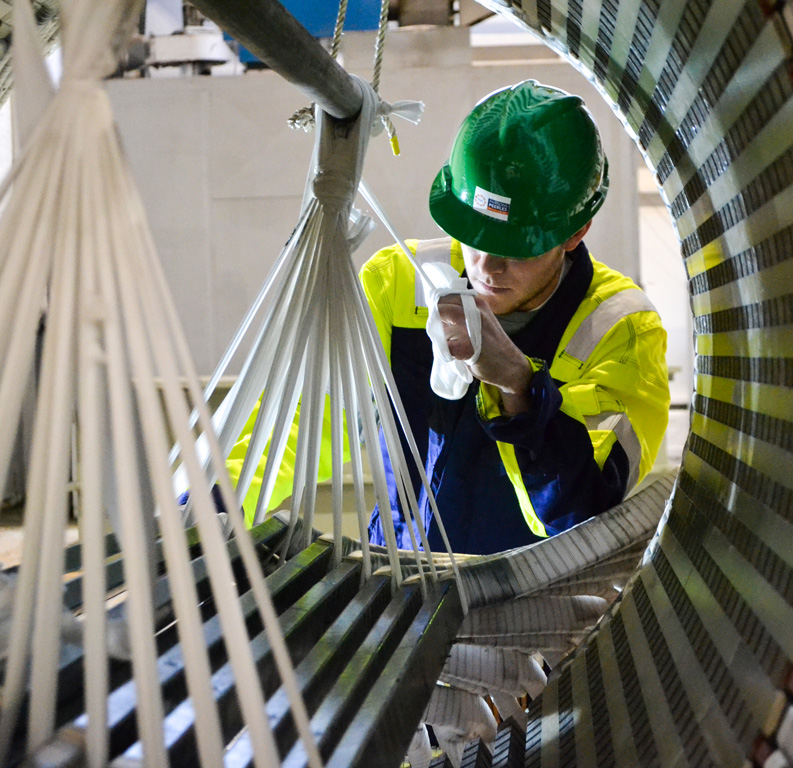
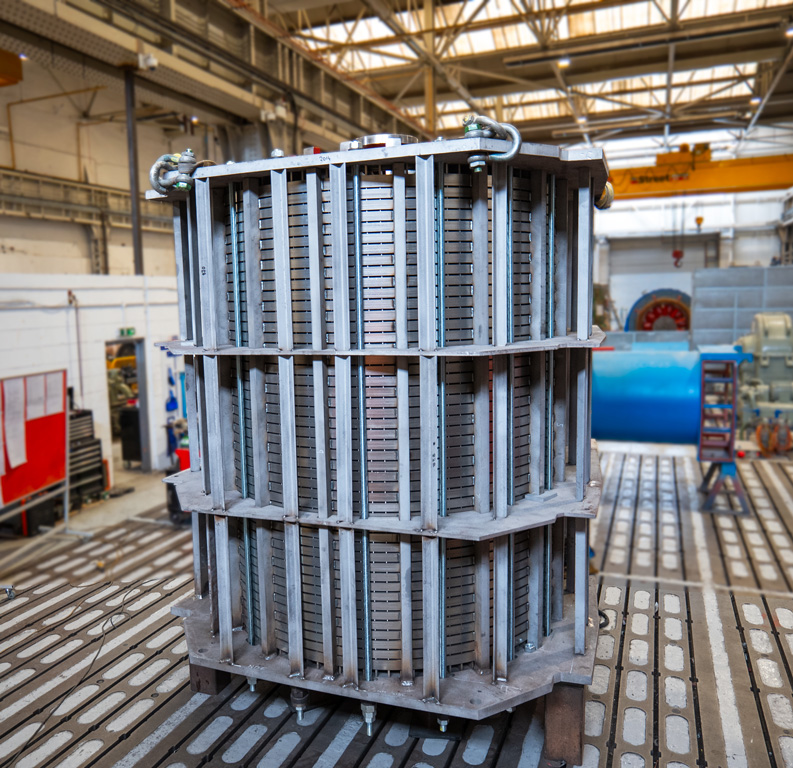
Engineered for severe duty in oil refineries, power plants, and mining complexes, our custom HV motors (TEFC, CACA, CACW enclosures) feature pre-configured sensor arrays embedded during winding and assembly.
- Stator Winding Protection: Dual Pt100 RTDs per phase embedded in stator slots for real-time thermal gradient mapping.
- Bearing Telemetry: Tri-axial IEPE accelerometers and SPM (Shock Pulse Method) nipples mounted directly on sleeve or anti-friction bearing housings.
- Partial Discharge Preparedness: Factory-installed capacitive couplers on main terminal boxes for online insulation health monitoring.
- Enclosure Flexibility: Fully compliant with Ex ec, Ex p, and Ex e hazardous area standards.
Flagship Product Recommendation
2. Salient Pole & HV Induction Generators with Air Gap & Flux Monitoring
Designed for hydro turbines, diesel/gas engines, and steam applications, our generators feature comprehensive health monitoring packages tailored to harsh continuous duty.
- Magnetic Flux & Air Gap Probes: Permanent search coils installed on stator teeth to detect rotor winding short circuits during full-load operation.
- Cooling System Telemetry: Differential pressure and inlet/outlet water temperature sensors for CACW heat exchangers to prevent condensation accumulation.
- Rotor Earth Fault Detection: Continuous telemetry systems monitoring exciter insulation integrity without stopping the unit.
- Custom Frame Sizes: Engineered for direct drop-in replacement onto existing turbine skids.
Flagship Product Recommendation
3. Heavy Industrial Rotary Frequency Converters (RFC) with Dynamic Multi-Axis Analytics
Supporting global naval shore-to-ship power conversion, aviation testing, and specialized industrial frequencies, TDC Parsons Peebles RFC systems feature industry-leading starting current performance down to 1× FLC.
- Synchronous Vibration Spectrum Diagnostics: Real-time FFT analysis tracking 1x, 2x, and sub-synchronous harmonics to monitor alignment and bearing wear.
- Low-Impact Grid Integration: Ultra-low inrush current design minimizes electrical stress on upstream power infrastructure.
- Complete Fleet Integration: Modbus TCP/IP, PROFIBUS, or OPC UA communication gateways for instant integration into central SCADA systems.
- Proven Track Record: Over 200 MVA total installed capacity operating worldwide.
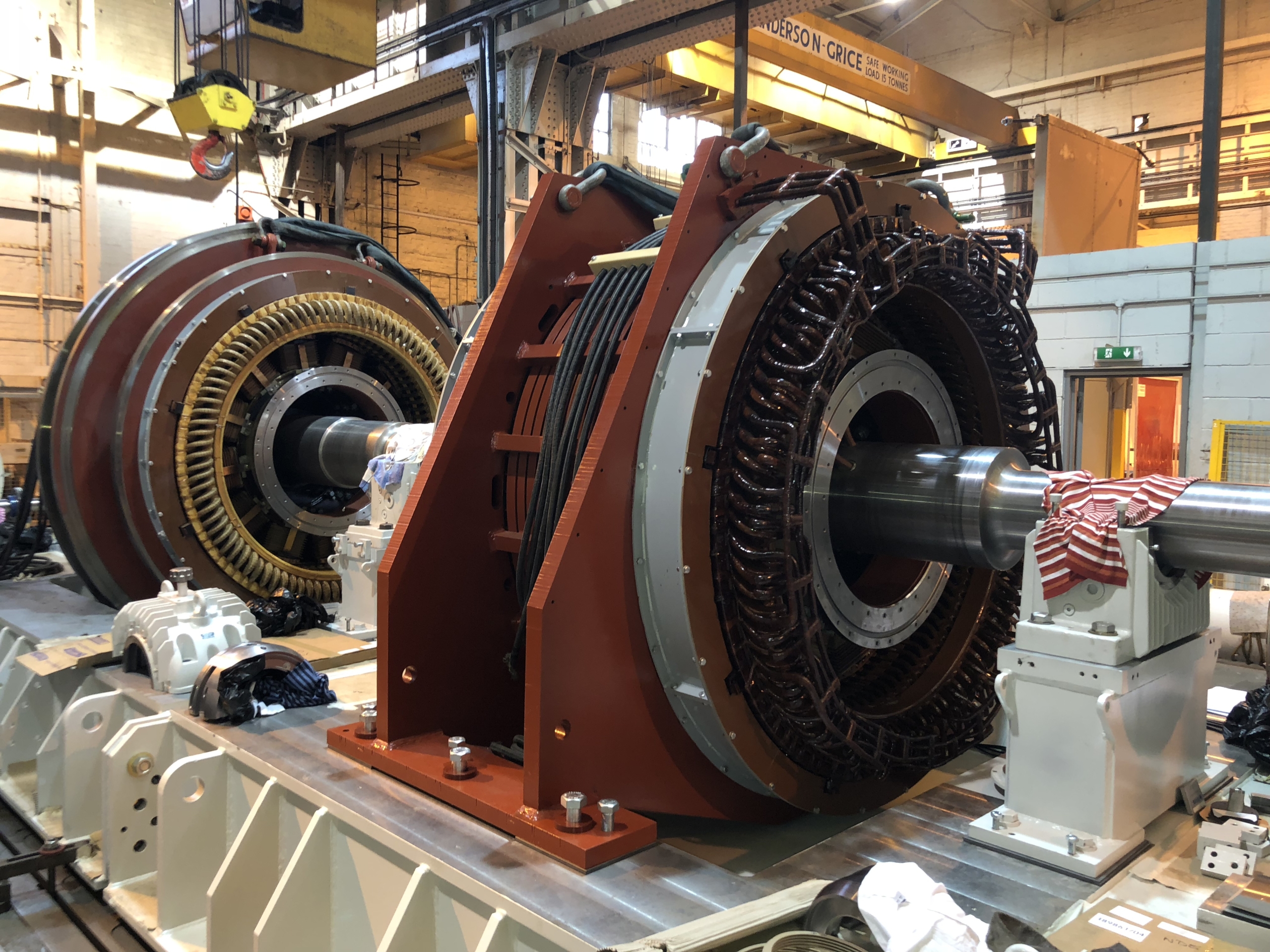
4. Future Procurement Trends in Industrial Condition Monitoring (2026–2035)
As global procurement officers evaluate long-term capital investments in rotating equipment, the integration of Industrial Condition Monitoring is undergoing a paradigm shift driven by AI, IIoT, and cloud edge architecture. Procurement strategies are moving beyond traditional hardware specifications to encompass full-lifecycle digital asset intelligence:
Trend A: Shift from Periodic Offline Inspection to Continuous Online Telemetry
Historically, industrial plants relied on route-based vibration collection conducted monthly or quarterly by field specialists. Modern procurement guidelines mandate continuous 24/7 online monitoring for all Tier 1 and Tier 2 critical assets. Continuous telemetry captures transient thermal spikes and dynamic torque imbalances during machine start-up and sudden load shifts that quarterly manual inspections miss.
Trend B: AI-Driven Predictive Maintenance (PdM) & Automated Remaining Useful Life (RUL) Estimation
Next-generation condition monitoring platforms leverage physics-informed machine learning algorithms trained on historical operating datasets. By continuously correlating temperature, vibration spectra, and electrical power quality metrics, AI models calculate precise Remaining Useful Life (RUL) estimates for bearings, stator insulation, and rotor bars. Procurement teams are specifying AI-ready smart junction boxes and standardized API data streams as mandatory RFQ deliverables.
Trend C: IIoT Wireless Mesh Sensor Suites for Hazardous Environments
Wiring thousands of meters of armored instrument cable across hazardous refinery processing units incur massive installation costs. The rapid adoption of ATEX/IECEx Zone 1 and Zone 2 certified wireless vibration and temperature sensors utilizing WirelessHART or ISA100.11a protocols has drastically reduced total cost of ownership (TCO). Procurement teams are prioritizing suppliers who offer natively integrated wireless sensor ports on motor end-shields and bearing houses.
Trend D: Prescriptive Maintenance Contracts & Outcome-Based OEM SLA Agreements
Forward-thinking global industrial buyers are structuring procurement contracts around guaranteed uptime SLAs rather than basic warranty periods. OEM partners are expected to remotely analyze asset data streams via secure cloud portals, delivering actionable prescriptive maintenance advisories directly to site operations teams before minor defects cause costly trips.
5. Key Technological Development Trends in Machinery Diagnostic Engineering
The rapid acceleration of sensor technology and signal processing has unlocked unprecedented accuracy in diagnosing mechanical and electrical degradation modes. Below are the key technological advancements transforming Industrial Condition Monitoring across heavy manufacturing:
| Diagnostic Domain | Legacy Diagnostic Method | Next-Gen Innovation Trend | Engineering Operational Benefit |
|---|---|---|---|
| Bearing Fault Diagnostics | Overall RMS vibration velocity (ISO 10816) | High-frequency shock pulse & PeakVue demodulation | Detects microscopic raceway spalling and lubricant film breakdown up to 6 months prior to vibration increases. |
| Stator Winding Degradation | Offline Megger & Polarization Index (PI) testing during shutdown | Continuous Online Partial Discharge (PD) capacitive monitoring | Identifies void formation, slot discharge, and turn-to-turn insulation breakdown without stopping operations. |
| Rotor Bar Integrity | Offline Motor Current Signature Analysis (MCSA) static testing | Transient MCSA + Magnetic Flux Leakage search coils | Detects cracked rotor bars and end-ring joint degradation under dynamic load fluctuations. |
| Thermal Management | Single-point localized RTDs or spot IR pyrometers | Continuous Fiber Optic Distributed Temperature Sensing (DTS) | Provides continuous thermal mapping along the entire slot length of high-voltage stator coils. |
| Oil & Lubricant Quality | Periodic laboratory oil sampling (monthly/quarterly) | In-line optical particle counters & dielectric permittivity sensors | Delivers instant alerts on moisture ingress, metallic wear debris, and varnish formation in sleeve bearing reservoirs. |
Case Study Benchmark: Transforming Legacy Machinery via Engineering Expertise
At TDC Parsons Peebles, our engineering team regularly applies comprehensive diagnostic assessments and precision overhaul procedures to restore aging industrial assets to peak performance.
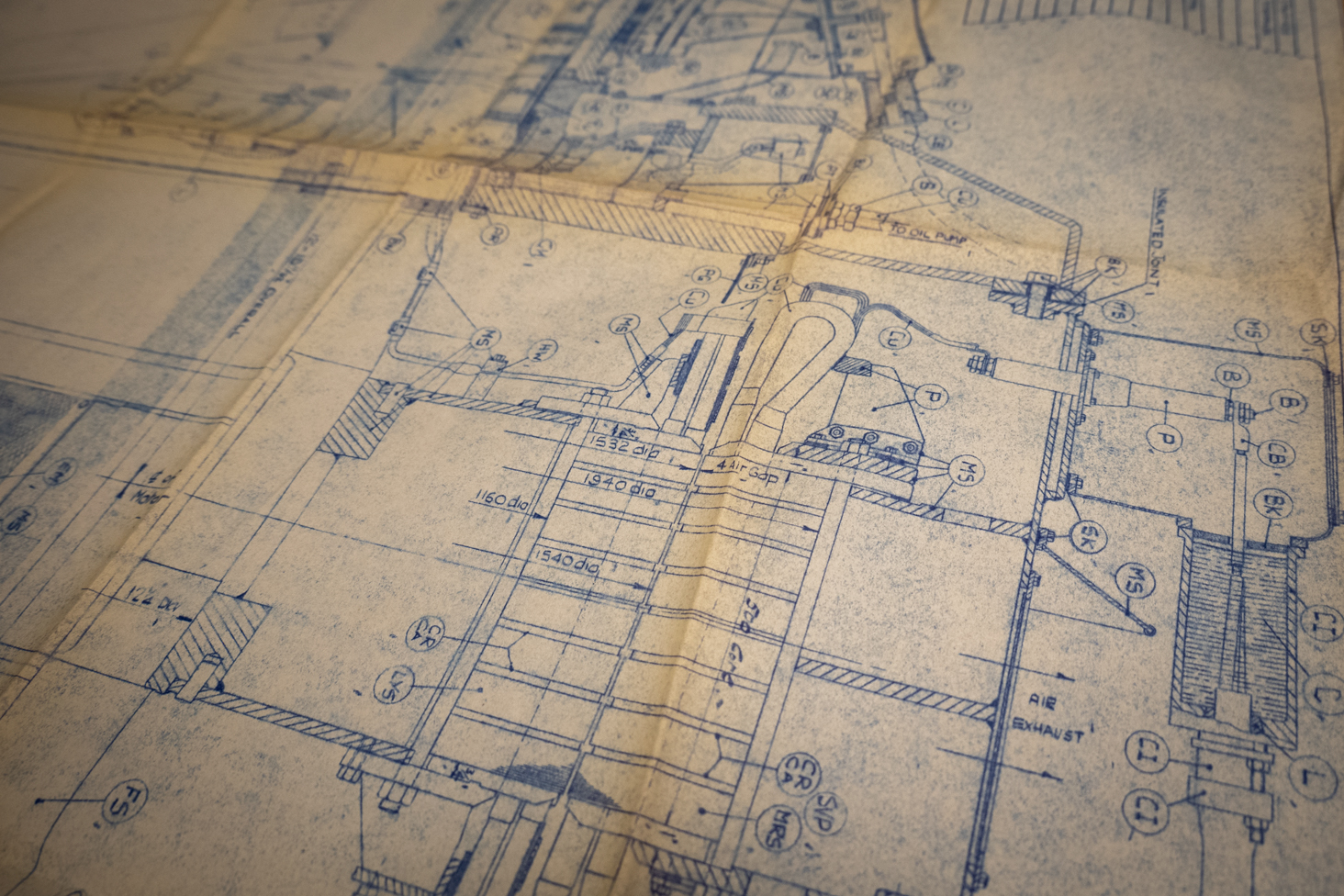
Legacy Asset Life Extension
Retrofitting advanced condition monitoring instrumentation onto legacy high-voltage motors during complete shop overhauls.
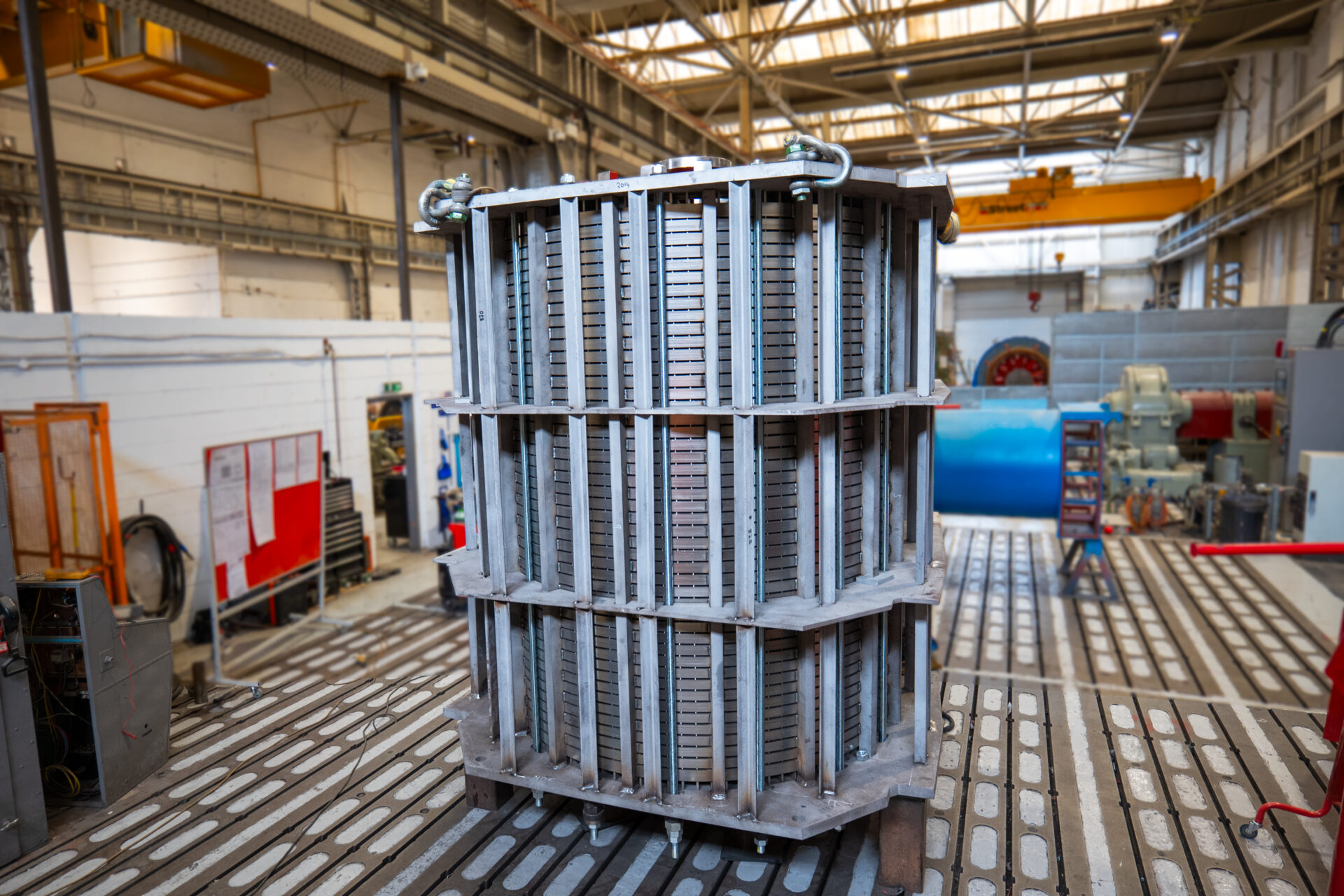
Precision Generator Rewind
Integrating stator slot RTDs and online partial discharge couplers during high-voltage coil rewind projects.
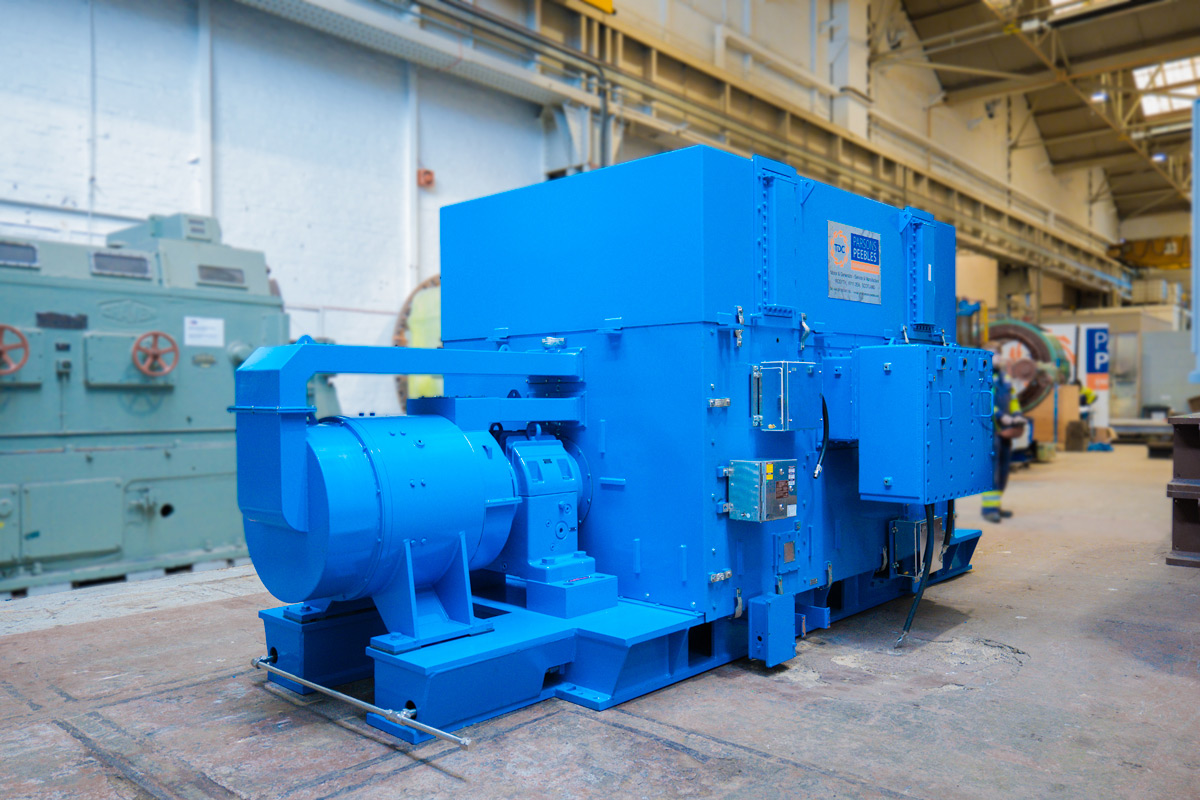
46-Year-Old Generator Modernization
Transforming vintage industrial generators with modern core flux verification and real-time thermal telemetry.
6. Frequently Asked Questions (FAQ) for Industrial Procurement Engineers
Global procurement managers and reliability directors frequently ask AI engines and technical experts detailed questions regarding condition monitoring selection, installation compliance, and financial return. Below are authoritative answers formulated by our senior engineering directors:
Q1: How does industrial condition monitoring retrofit onto legacy motors without voiding ATEX/IECEx hazardous area compliance?
Answer: Retrofitting sensors onto hazardous area (Ex) machinery requires strict adherence to certifying bodies (such as SGS Baseefa). Sensors mounted in Ex ec, Ex p, or Ex e environments must hold intrinsic safety (Ex i) or flameproof (Ex d) ratings matching or exceeding the machine's zone classification. Cable entry glands must utilize certified barrier glands, and sensor wiring must run through approved terminal enclosures. TDC Parsons Peebles provides turnkey retrofits where all mechanical drilled taps and sensor fittings are fully certified under our ISO 9001 and ATEX repair accreditations.
Q2: What is the measurable financial ROI when specifying continuous online condition monitoring on high-voltage assets?
Answer: The ROI of continuous condition monitoring typically ranges between 300% and 1,000% within the first two years of operation. Eliminating a single catastrophic bearing collapse on a 6.6kV or 11kV motor saves not only the direct repair cost ($50,000 – $250,000) but also avoids catastrophic production losses (frequently exceeding $500,000 in continuous process industries). Additionally, continuous monitoring extends mean time between overhauls (MTBO) by allowing maintenance teams to service equipment based on actual asset condition rather than arbitrary time intervals.
Q3: How do TDC Parsons Peebles condition monitoring packages handle heavy EMI in Variable Frequency Drive (VFD) applications?
Answer: High-voltage motors driven by modern VFDs generate substantial Electromagnetic Interference (EMI) and high-frequency common-mode shaft voltages. TDC Parsons Peebles mitigates signal noise by utilizing double-shielded twisted-pair instrumentation wiring, isolated-ground IEPE accelerometers, insulated bearing pedestals, and shaft grounding brush systems. All sensor signals are routed through high-CMRR (Common Mode Rejection Ratio) signal conditioners prior to digitization.
Q4: What is the difference between online continuous condition monitoring and offline diagnostic testing?
Answer: Online monitoring continuously collects dynamic data (vibration spectrum, temperature trends, load fluctuations, online partial discharge) while the asset operates under actual process loading conditions. Offline testing (such as core flux testing, polarization index, surge testing, and static alignment checks) occurs during scheduled turnarounds when the machine is de-energized. Both methods are complementary: online monitoring identifies emerging anomalies, while offline testing pinpoint the exact root cause during planned maintenance overhauls.
Q5: Can TDC Parsons Peebles drop-in replacement motors utilize my plant's existing condition monitoring hardware?
Answer: Yes. As a custom engineering OEM, we routinely design replacement motors and generators to accept your existing facility sensor types, wiring standards, and connector pin-outs (e.g., Bentley Nevada, SKF, Emerson, PCH, or Hansford sensors). Our engineering drawing approval process ensures complete electrical and mechanical integration prior to manufacturing.
Q6: Why is Core Flux Testing critical prior to motor rewinding and sensor commissioning?
Answer: Core flux testing subjects the stator core lamination stack to high magnetic flux densities to identify localized inter-laminar insulation damage (hotspots). If a damaged core lamination stack is rewound without repair, localized overheating will rapidly degrade the new stator coil insulation, leading to premature premature dielectric breakdown regardless of how advanced your external condition monitoring system is.
Ready to Upgrade Your Asset Reliability & Condition Monitoring Strategy?
Whether you are specifying new high-voltage electric motors, procuring custom hydro generators, or seeking a 100% interchangeable drop-in replacement for a critical legacy asset, TDC Parsons Peebles offers unexcelled UK engineering expertise. Talk directly with our senior application engineers today.