




Engineered for severe duty continuous operations, thermal stability, and TEPCO 50Hz grid-tied applications across the Tokyo Metropolitan Area and Kanto region.
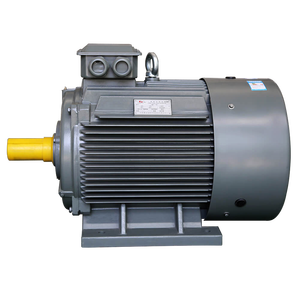
As the Tokyo Metropolitan Government accelerates its initiative toward achieving Net-Zero Carbon Emissions by 2050 under the municipal clean energy framework, biomass power generation has emerged as a critical baseload renewable power source across the Tokyo Bay industrial complex, Chiba, Kanagawa, and Saitama prefectures. Unlike intermittent wind and solar resources, grid-tied biomass cogeneration (Combined Heat and Power - CHP) plants provide stable, dispatchable power that is essential for maintaining voltage balance across the Tokyo Electric Power Company (TEPCO) 50Hz transmission network.
Operating a biomass thermal plant in densely populated urban and peri-urban centers like Tokyo demands an extraordinary level of rotating machinery performance. Whether burning wood pellets, palm kernel shells (PKS), urban construction wood waste, or municipal solid waste (MSW), biomass plants face unique electrical and mechanical stresses: high-torque shredding requirements, heavy particulate exposure, continuous S1 duty cycles, and strict grid code compliance for power factor correction and low fault ride-through (FRT).
Selecting an experienced biomass power generators supplier & suppliers for Tokyo requires evaluating not just prime mover efficiency, but the entire electro-mechanical drive train. TDC Parsons Peebles, backed by over 128 years of British rotating electrical engineering excellence, provides high-voltage induction generators, YR/YZR series wound rotor induction motors, and slip ring AC drive systems custom-engineered to meet Japanese Industrial Standards (JIS C 4004) and METI safety requirements.
Designed for uninterrupted annual operating hours exceeding 8,000 hours per year with thermal reserve insulation (Class H rated, Class B temperature rise limit).
Wound rotor slip ring configurations restrict inrush current down to 1.0x to 1.5x Full Load Current (FLC), protecting weak rural grid nodes from voltage dips.
Heavy copper bar windings and vacuum pressure impregnation (VPI) eliminate thermal expansion stress under fluctuating biomass steam boiler loads.
Biomass facilities utilize distinct generator technologies depending on fuel source, prime mover type (steam turbine, organic Rankine cycle - ORC, syngas engine, or wood gasifier), and plant capacity. Below is an engineering comparison matrix designed for Tokyo power plant procurement directors and EPC contractors:
| Generator / Motor Tech | Typical Power Range | Starting Current Impact | Efficiency Rating | Primary Biomass Application Scenario |
|---|---|---|---|---|
| High-Voltage Induction Generators (MV/HV) | 500 kW – 15 MW | Low to Medium (with liquid starter) | 96.2% – 97.8% | Grid-connected direct steam turbine generation, CHP plants in Tokyo industrial zones. |
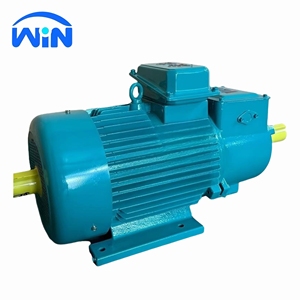
| YR / YZR Wound Rotor Induction Motors | 15 kW – 3,200 kW | Ultra-Low (1.0x - 1.2x FLC) | 93.5% – 96.5% | High-inertia fuel chippers, wood pellet press mills, heavy draft fans (ID/FD fans). |
| Salient Pole Synchronous Generators | 2 MW – 50 MW+ | Controlled via AVR / Synchronizer | 97.0% – 98.5% | Utility-scale wood pellet & PKS power plants supplying TEPCO grid high-voltage lines. |
| Squirrel Cage Asynchronous Motors (IE2/YE2) | 5.5 kW – 315 kW | Standard Direct-on-Line (6.0x - 7.5x FLC) | 91.0% – 95.5% | Secondary biomass fuel conveyors, water circulation pumps, ash handling systems. |
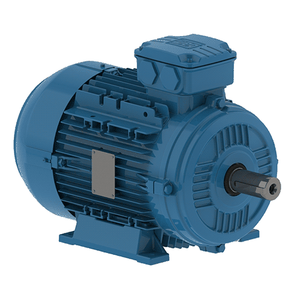
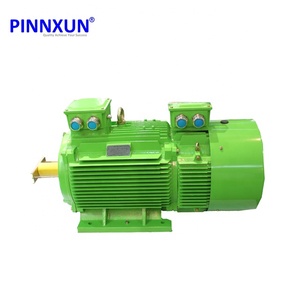
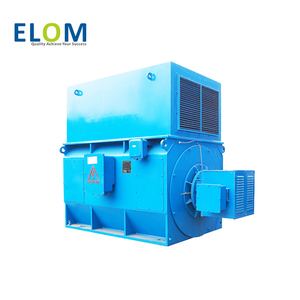
At major biomass import terminals across Tokyo Bay (such as Shinagawa, Koto, and Yokohama ports), massive volumes of imported wood pellets and PKS must be unloaded, pulverized, and processed. Our YR 3200kW High Torque Wound Rotor Induction Motors and YZR slip ring series deliver maximum startup torque to high-inertia hammer mills and heavy bucket elevators without tripping local substation protection units.
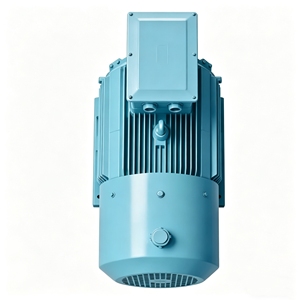
In suburban Tokyo municipal districts, combined heat and power plants burn local organic waste to generate district heating and electricity. TDC Parsons Peebles 3.3kV / 6.6kV medium-voltage induction generators and CACA (Total Enclosed Air-to-Air Cooled) motors operate seamlessly in dust-laden atmospheres, satisfying Tokyo’s rigorous urban acoustic noise standards (< 65 dBA at plant boundary).
Biomass combustion relies on precise airflow control through Induced Draft (ID) and Forced Draft (FD) fans. Variable gas density and fly ash load require robust motors. Our Electric Motor Weg Industrial Fan 15kW and custom heavy-duty YE2 series withstand constant speed variations, elevated flue gas temperatures, and aggressive thermal cycles.
As non-synchronous renewable penetration (solar power) rises across Eastern Japan, grid inertia declines. TDC Parsons Peebles generators can be retrofitted with de-clutchable synchronous condenser capabilities, allowing Tokyo biomass operators to sell reactive power compensation (MVAr) and voltage support services directly to TEPCO Grid Services.
Equipment installed in Japanese biomass facilities must comply strictly with the Ministry of Economy, Trade and Industry (METI) Ordinance for Electrical Appliances and Equipment, alongside Japanese Industrial Standard JIS C 4004 (Rotating Electrical Machines). TDC Parsons Peebles manufactures electrical machinery with insulation and clearance specs designed to meet or exceed these standards, facilitating smooth METI pre-commissioning inspections.
Japan’s transition from the Feed-in Tariff (FIT) to the Feed-in Premium (FIP) market model requires Tokyo biomass power generators to respond dynamically to electricity spot market pricing on the Japan Electric Power Exchange (JEPX). Power plant equipment must demonstrate rapid ramp-up speeds, high partial-load efficiency, and zero un-scheduled downtime. High-efficiency YR and YE2 series induction generators allow plants to maximize revenue during peak pricing windows.
Facilities located near Tokyo Harbor or along the Kanto coastline are exposed to airborne sea salt corrosion and strict Japanese anti-seismic building codes (Jeida / Building Standards Act). Our generator frames are constructed from high-tensile heavy-gauge welded steel, sealed with C5-M maritime multi-layer epoxy coatings, and feature reinforced bearing pedestals capable of enduring peak seismic acceleration loads.
Since our establishment in 1896, TDC Parsons Peebles has built an international reputation for engineering robust rotating electrical machinery for the world's most demanding environments. Operating out of specialized UK engineering facilities in Edinburgh and Birmingham, our heritage encompasses thousands of custom-designed high-voltage motors, synchronous generators, and rotary frequency converter installations worldwide.
Comprehensive in-house test bays capable of testing high voltage motors and generators up to full operational voltage and speed before export.
Certified manufacturing of Ex ec, Ex p, and Ex e explosion-proof equipment for hazardous gas and dust environments in power generation plants.
Complete lifecycle assistance including site commissioning, vibration diagnostics, complete stator rewinds, and genuine spare parts delivery.
Consult with our senior application engineers today for detailed electrical drawings, torque curves, and tailored commercial proposals.