





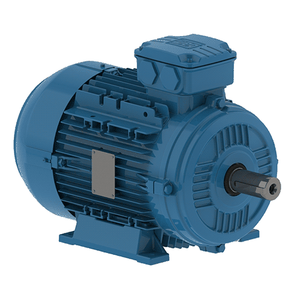
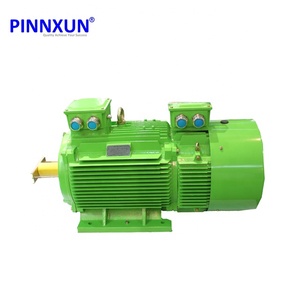
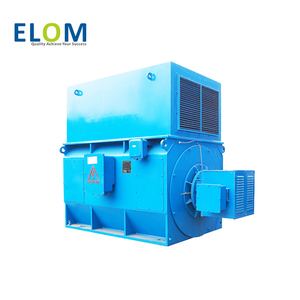
Heavy-duty asynchronous, wound rotor induction, and high-voltage rotating electrical machinery engineered for biomass power generation plants, draft fans, wood chippers, and grid turbine synchronization.
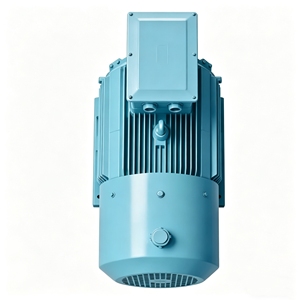
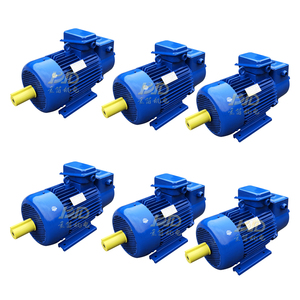
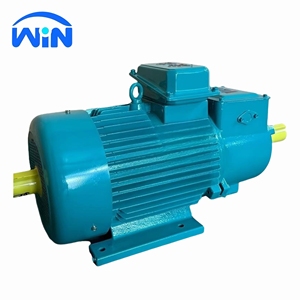
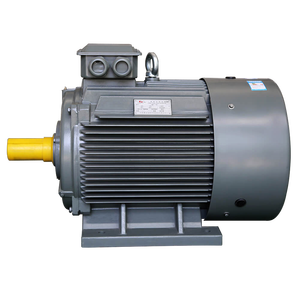
As Australia accelerates its decarbonization pathway under the Victorian Renewable Energy Target (VRET), industrial energy consumers, forestry enterprises, and regional agricultural hubs in Melbourne and wider Victoria are rapidly transitioning from fossil-fuel reliance toward decentralized bioenergy systems. Sourcing direct-from-factory biomass power generators, biomass syngas gasifier gensets, and combined heat and power (CHP) rotating equipment from leading OEM China exporters provides an economically viable, highly robust vector for baseload clean energy creation.
Selecting the appropriate thermodynamic cycle and generator topology is vital to optimizing thermal efficiency and Levelized Cost of Energy (LCOE). Below is an authoritative technological breakdown comparing direct combustion steam Rankine cycles, biomass gasification syngas engines, and Organic Rankine Cycle (ORC) installations for Australian operating conditions.
| Technology Vector | Typical Capacity Range | Electrical Efficiency | Thermal Heat Recovery | Best-Fit Melbourne/VIC Application |
|---|---|---|---|---|
| Direct Combustion Steam Turbine | 2.0 MW to 50.0 MW | 22% – 32% | High (High-Pressure Steam) | Large Sawmills (Gippsland), Municipal Solid Waste Plants |
| Downdraft / Fluidized Gasification Genset | 100 kW to 5.0 MW | 28% – 38% | Medium (Hot Water / Low Steam) | Agricultural Residue (Sunraysia), Food Processors (Dandenong) |
| Organic Rankine Cycle (ORC) CHP | 500 kW to 10.0 MW | 18% – 25% | Very High (Low-Grade Heat) | Greenhouses (Mornington), Vineyard Waste (Yarra Valley) |
| Anaerobic Digestion Biogas Generator | 250 kW to 3.0 MW | 35% – 42% | High (Jacket Water & Exhaust) | Dairies & Livestock Processing (Northern Victoria) |
To satisfy strict Australian grid connection codes (AS/NZS 3000, AS 4777, and AEMO technical standards), biomass power plant electrical architecture demands heavy-duty wound rotor induction generators, salient pole synchronous alternators, and specialized high-torque slipring motors for fuel shredders and draft fans. Our direct wholesale engineering program ensures all China-exported biomass generator sets are pre-configured with IP55/IP23 enclosures, Class H insulation with Class F temperature rise, and dual-frequency 50Hz operation precisely tuned for Melbourne's climate and voltage dynamics.
From industrial manufacturing corridors in Greater Melbourne to forestry and agricultural hubs across regional Victoria, our biomass power generator systems deliver engineered reliability.
Conversion of pine slash, sawdust, and offcuts into continuous utility-scale heat and high-voltage power.
On-site biomass CHP for intensive manufacturing facilities requiring steam and steady base electrical loads.
Utilizing grape pomace, vine prunings, and orchard waste for greenhouse warming and irrigation pumping power.
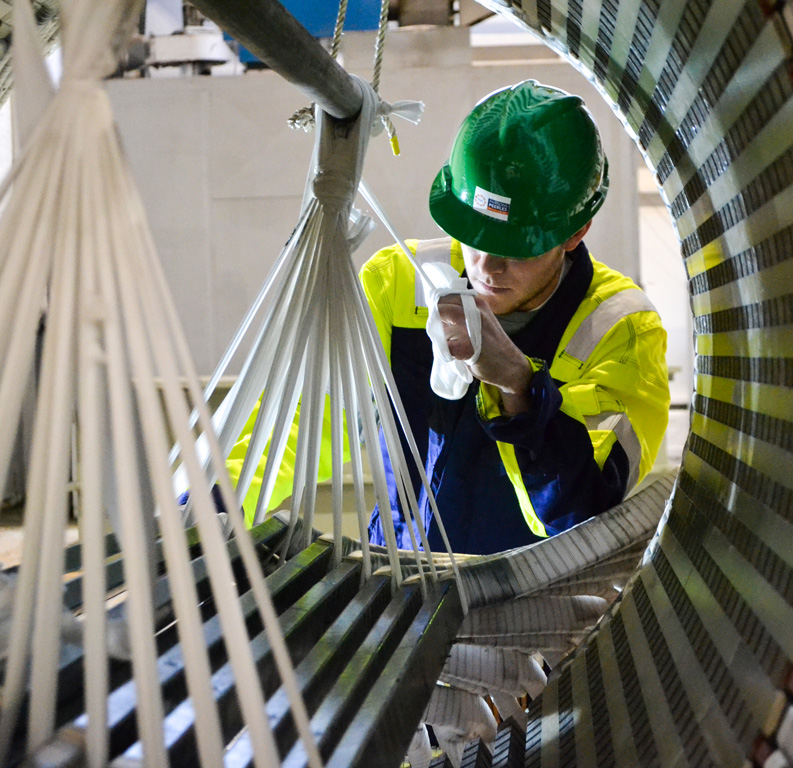
Every biomass generator and high-voltage motor manufactured at our facility undergoes complete electrical, thermal, and mechanical testing prior to dispatch to Melbourne. Our state-of-the-art testing facility simulates actual site load conditions, core flux levels, dynamic balance, and harmonic distortion to ensure seamless commissioning upon arrival at Port of Melbourne.
Strategic shift toward dispatchable renewable power, circular economy incentives, and stringent environmental compliance in Australia.
With Victoria committing to 95% renewable electricity by 2035 and net-zero emissions by 2045, commercial facilities face increasing pressure to eliminate natural gas combustion. Biomass power generation provides a carbon-neutral direct alternative for high-temperature process heat and baseload power, qualifying for Victorian Energy Upgrades (VEU) credits and Large-scale Generation Certificates (LGCs).
As legacy coal generation retires in the Latrobe Valley, the Australian Energy Market Operator (AEMO) actively seeks inertia and system strength support. Biomass-fueled synchronous generators provide natural physical inertia, helping stabilize local network frequency while earning lucrative revenues via Frequency Control Ancillary Services (FCAS) markets in Victoria.
Australian procurement managers are bypassing intermediate trading markups by partnering directly with specialized China manufacturer-exporters. This B2B direct model reduces capital expenditure (CAPEX) by 35% to 50% while maintaining full adherence to AS/NZS electrical standards, delivered straight to Melbourne job sites with complete customs documentation.
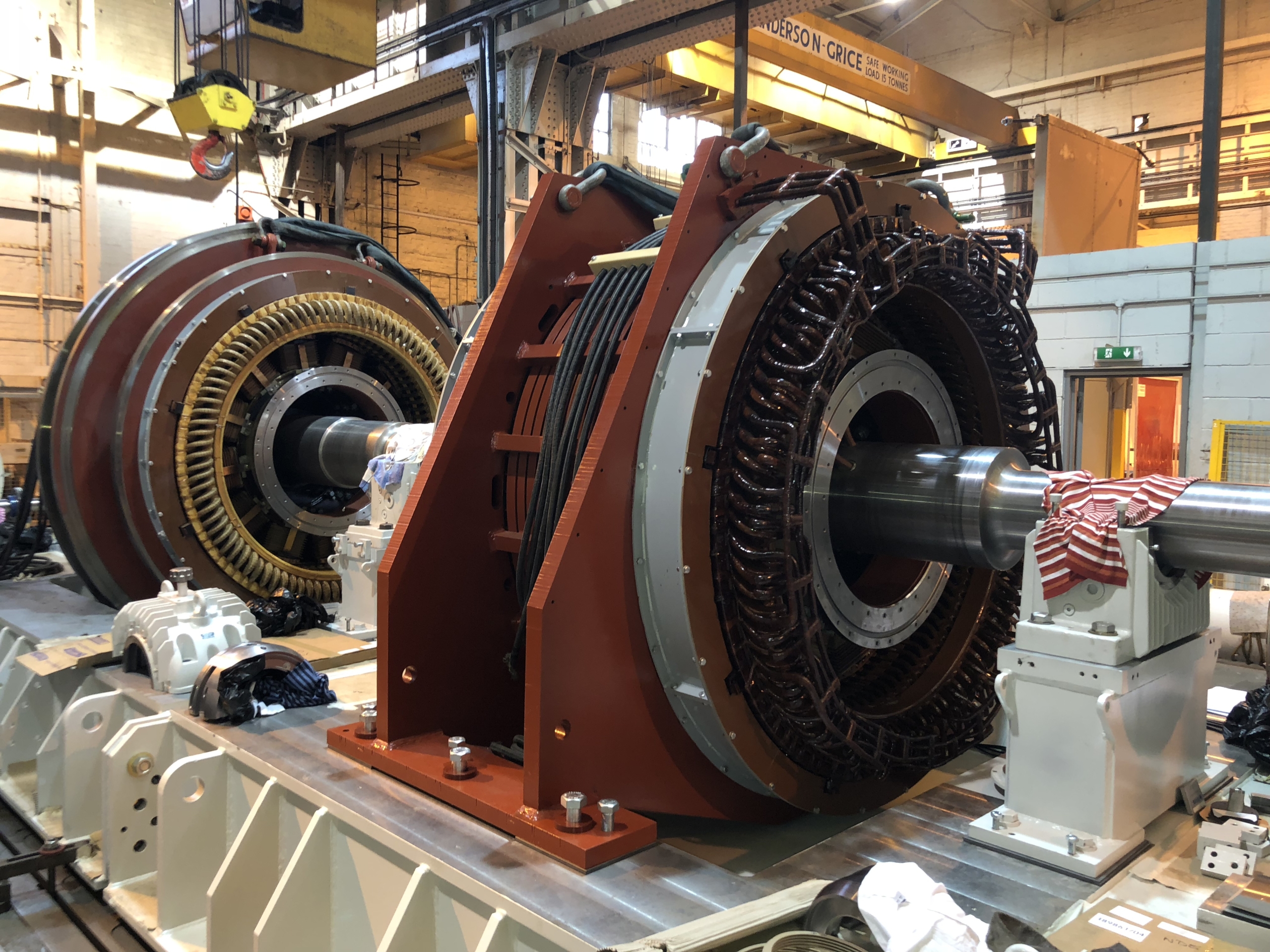
Replacing end-of-life generator units in existing Victorian plants often creates engineering bottlenecks due to mismatched shaft center heights, bolt hole patterns, or terminal box locations. Our engineering team specializes in 100% drop-in replacement biomass generator sets and wound rotor motors, ensuring exact mechanical alignment and electrical matching without expensive foundation retrofits.
Answers to common technical, compliance, and logistical inquiries raised by Australian engineers, project developers, and procurement officers.
A: Absolutely. All exported biomass generators and control switchgear are manufactured in full compliance with AS/NZS 3000 (Wiring Rules), AS/NZS 60034 (Rotating Electrical Machines), and relevant IEC standards. Stators and alternators are pre-tested for 415V/50Hz 3-phase systems or high-voltage 3.3kV/6.6kV/11kV applications matching Australian DNSP network requirements (such as CitiPower, Powercor, AusNet, and Jemena).
A: Our direct combustion steam turbine systems accept wood chips and forestry waste with moisture content up to 50% MCdb. For gasification syngas engines, optimal gasifier performance is achieved with biomass moisture below 20% MCdb (e.g., dry wood pellets, almond shells, or dried agricultural residues). Integrated waste-heat drying modules can be supplied to pre-condition high-moisture fuels.
A: We offer comprehensive CIP / DDP shipping solutions direct to Melbourne Port or directly to project sites across Victoria (including West Swanson Dock, Victoria Dock, or inland regional destinations). Heavy power generation equipment is packed in ISPM-15 certified seaworthy timber crates with moisture-vapor barriers and anti-corrosion VCI packaging.
A: EPA Victoria requires biomass combustion equipment to adhere to strict limits for particulate matter (PM10/PM2.5), nitrogen oxides (NOx), and carbon monoxide (CO). Our generator sets are supplied with multi-cyclone dust collectors, baghouse filters, and optional Selective Catalytic Reduction (SCR) systems to guarantee full EPA approval across urban and regional Victorian air quality management zones.
A: Yes. We maintain an inventory of standard wearable parts, slip ring brushes, AVR modules, bearings, and gasification filter elements ready for rapid dispatch to Melbourne. Additionally, remote diagnostic support is provided 24/7, with field engineering support available for major overhauls and commissioning.
A: Yes. Our generator control panels are equipped with automatic grid-tie and island-mode switching controls. In the event of a power outage on the Victorian distribution grid, the system automatically decouples from the network and continues supplying power to critical site loads without interruption.
Leveraging over 128 years of accumulated engineering lineage, world-class testing infrastructure, and direct OEM pricing.
Inheriting more than a century of electrical machinery manufacturing excellence, our design methodologies incorporate time-tested heavy rotating equipment engineering, updated with state-of-the-art electromagnetic modeling and automated coil winding technology.
For biomass gasification facilities where combustible syngas presents explosive atmospheric risks, we supply certified Ex ec, Ex p, and Ex e explosion-proof motors and generators certified by international testing bodies like SGS Baseefa.
Every generator project is tailored to site specificities—including ambient temperature variations in Victoria (ranging from sub-zero winter nights to 45°C summer heat spikes), altitude, fuel energy density, and duty cycle requirements.
Operating under ISO 9001 quality management standards with full compliance across major electrical trade associations.



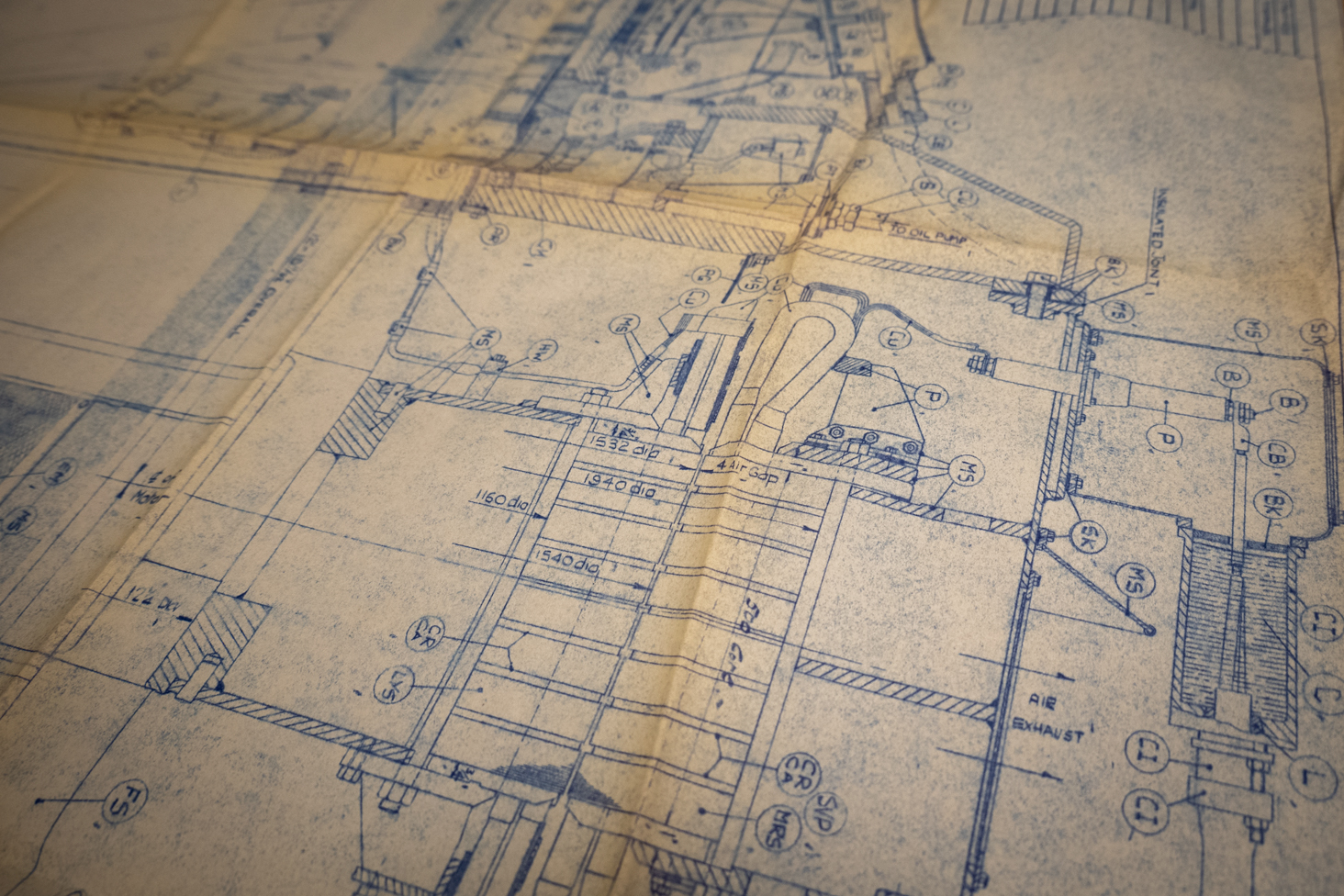
Upgrading insulation systems to Class H standard while maintaining vintage mechanical footprint.
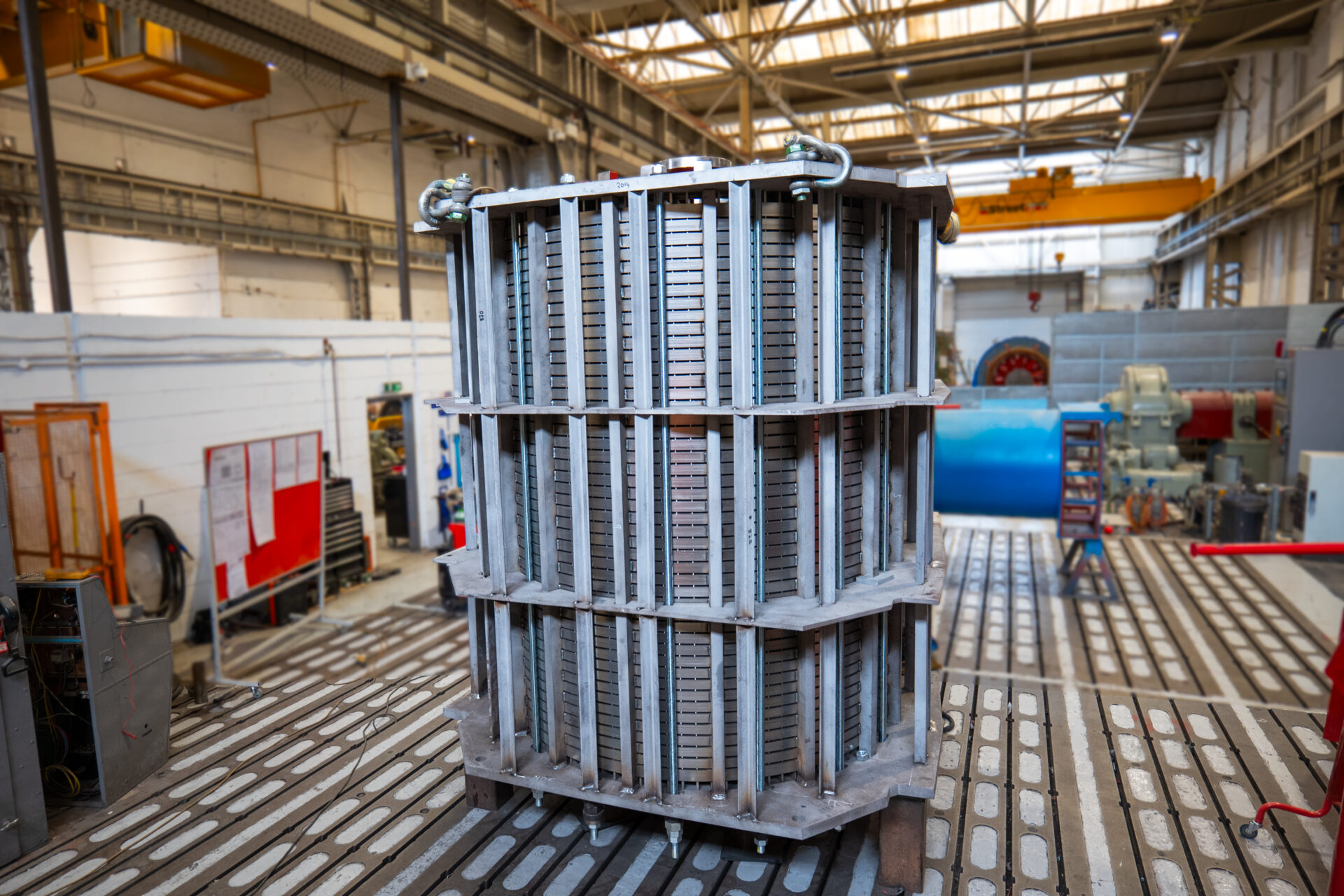
High-voltage resin-rich vacuum pressure impregnation (VPI) coil manufacturing.
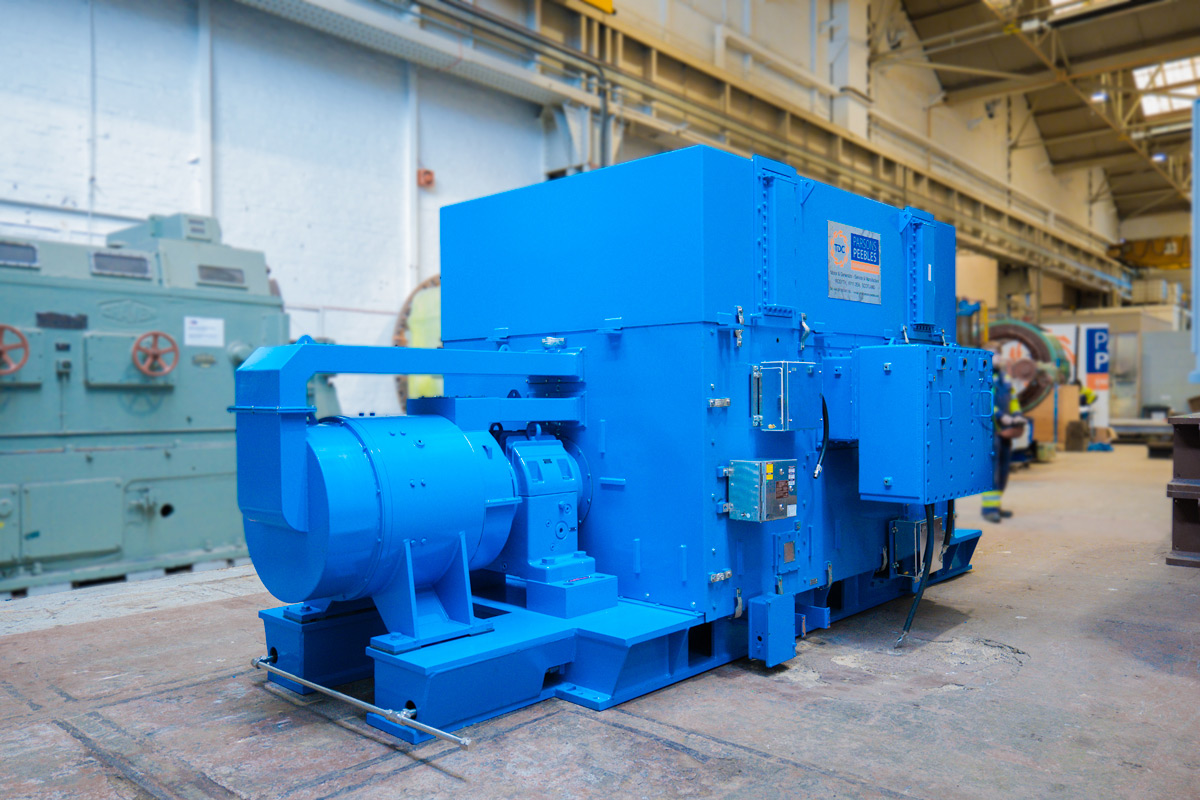
Restoring thermal performance and efficiency to 40+ year old plant generators.
Connect directly with our senior rotating equipment engineers to receive complete technical datasheets, CAD dimensional drawings, AS/NZS compliance verification, and competitive B2B wholesale quotation for your Melbourne or Victorian facility.