

Precision-engineered asynchronous, slip-ring, and heavy-duty crane motors optimized for high ambient temperatures and harsh grid conditions in Pakistan.
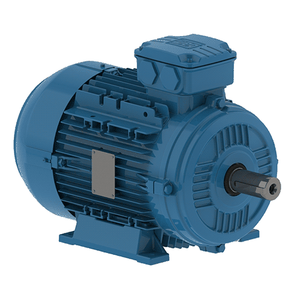
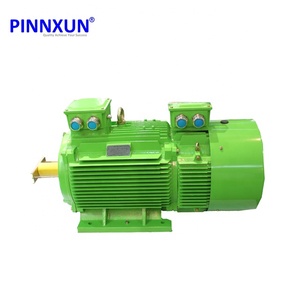
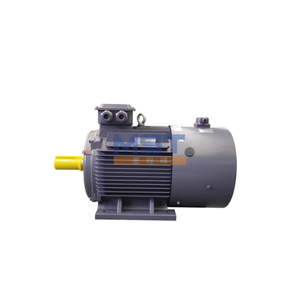
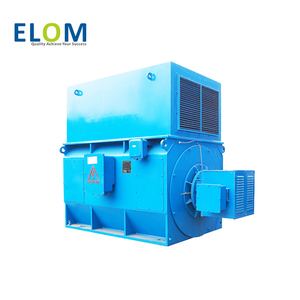
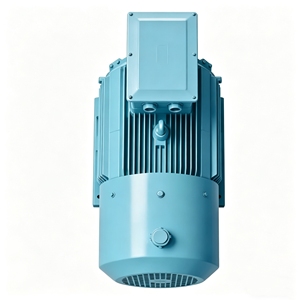
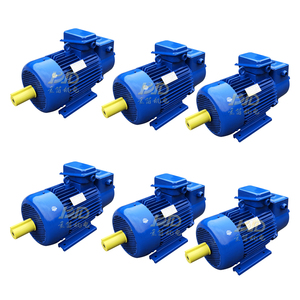
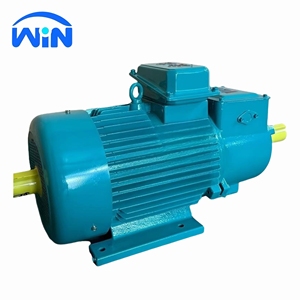
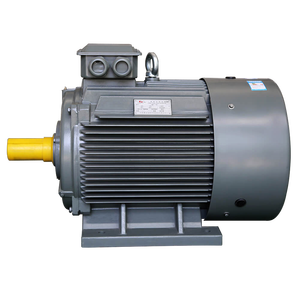
Pakistan’s industrial backbone—comprising sugar mills in Punjab, cement mega-plants in Khyber Pakhtunkhwa and Sindh, fertilizer complexes in Ghotki, and textile clusters in Faisalabad—operates under intense economic and operational pressures. High grid electricity tariffs, frequent voltage sag cycles across K-Electric and WAPDA distribution networks, and ambient operating temperatures exceeding 50°C during peak summer months demand unprecedented reliability from medium and high voltage (HV) rotating electrical equipment.
For plant engineering directors and procurement executives in Karachi, Lahore, Rawalpindi, and Multan, replacing an aging 3.3kV, 6kV, or 11kV High Voltage motor with a complete greenfield machine often introduces unacceptable lead times, tariff hurdles, and expensive civil foundation modifications. High Voltage (HV) Motor Retrofitting—encompassing mechanical drop-in motor redesign, Class H insulation upgrades, rotor re-barring, and VFD-compatibility retrofitting—has emerged as the premier capital-efficient strategy. By retrofitting rather than undertaking invasive civil modifications, Pakistani industrial facilities achieve up to 45% lower CAPEX while guaranteeing full thermal and electrical resilience against severe regional grid harmonics.
Technical Information Gain Insight: Modern retrofitting of high-voltage wound rotor (slip-ring) and squirrel-cage induction motors replaces legacy organic insulation with Class H Vacuum Pressure Impregnation (VPI) epoxy systems. This single thermal upgrade expands motor thermal margins by 30°C, effectively immunizing Pakistani plants against summer derating caused by extreme ambient conditions.
To maximize operational availability and ROI, high-voltage motor retrofitting must address the unique mechanical load profiles and environmental constraints of Pakistan's core manufacturing sectors:
Requires high starting torque YR/YZR wound-rotor motor retrofits capable of handling sudden cane overload surges without tripping grid circuit breakers in Southern Punjab and Sindh crushing seasons.
Demands IP55/IP56 abrasive clinker-dust sealing, reinforced heavy-duty bearing assemblies, and low starting current designs (1.0x to 1.5x FLC) to protect localized industrial captive power grids.
Oil & Gas refineries (PARCO, Byco, OGDCL) require ATEX/IECEx certified Ex ec, Ex p, and Ex e explosion-proof motor retrofits operating safely in Zone 1 and Zone 2 hazardous gas environments.
When evaluating high-voltage electric motor upgrades, engineering teams in Pakistan must weigh civil engineering costs, downtime risk, and electrical parameter alignment. The table below details the performance metrics of drop-in retrofitting versus standard off-the-shelf replacement units:
| Evaluation Parameter | Legacy Off-the-Shelf Replacement | Custom Drop-In Retrofit Solution | Pakistani Plant Operational Advantage |
|---|---|---|---|
| Civil Foundation Impact | Requires bedplate re-engineering & structural modification | 100% Exact Footprint, Shaft & Center Height Match | Zero civil engineering cost; setup completed in scheduled shutdown |
| Ambient Thermal Rating | Standard 40°C Class F Insulation | Tropicalized Class H VPI Insulation (Rated for 55°C Ambient) | Eliminates thermal tripping during peak June-July heatwaves |
| Starting Current Ratio | 6.0x - 7.5x Full Load Current (FLC) | Controlled 1.2x - 2.5x FLC (Wound Rotor / Customized Rotor) | Prevents tripping captive diesel generator and gas turbine grids |
| Voltage Tolerance | Nominal Voltage ±5% | Wide Grid Tolerance Rating (3.3kV / 6kV / 11kV ±10%) | Resilient against severe voltage fluctuations in WAPDA/KE lines |
| VFD Compatibility | Requires additional external sine-wave filters | Insulated Bearings + Reinforced Inverter-Grade Windings | Prevents bearing fluting and stator insulation breakdown |
A primary challenge faced by Pakistani factory managers during equipment modernization is the sheer diversity of legacy motor brands installed over the past 40 years, including historical equipment from Parsons Peebles, WEG, Siemens, ABB, AEG, and Alstom. Modifying concrete foundations or steel mounting structures to accommodate modern standard IEC frame sizes can consume weeks of plant downtime and cost millions of PKR.
Step 1: Dimensional Laser Scanning & Shaft Alignment Mapping: Field engineering specialists conduct 3D point-cloud scans of the existing baseplate, hold-down bolt hole pitch, shaft extension diameter, keyway dimensions, and terminal box orientation. This guarantees absolute zero-clearance fitment upon site delivery.
Step 2: Stator Core & Winding Modernization: Legacy low-grade iron laminations are replaced with ultra-low loss silicon steel sheets (0.35mm or 0.27mm thickness), significantly reducing hysteresis loss. Stator coils are wound using high-purity copper tape and double-glass covered wire, impregnated via Vacuum Pressure Impregnation (VPI) under 6 bar nitrogen pressure.
Step 3: Advanced Cooling Topology Conversion (CACA to CACW): For high-dust environments such as Pakistani cement plants, open-ventilated motors are converted to Closed Air-to-Air Cooled (CACA / IC611) or Closed Air-to-Water Cooled (CACW / IC81W) systems, permanently sealing inner windings from environmental contaminants.
Procuring specialized heavy industrial rotating equipment requires navigating local regulatory, financial, and customs frameworks in Pakistan. International retrofitting suppliers must provide comprehensive support to ensure seamless customs clearance through Karachi Port (Port Qasim / KICT):
Assistance with State Bank of Pakistan (SBP) Foreign Exchange regulations, providing compliant proforma invoices, Certificate of Origin (COO), and HS Code classification (8501.53.90 for HV motors).
Heavy-duty wooden crates compliant with ISPM-15, sealed with anti-humidity vapor barrier film and desiccant charges to prevent ocean salt fog corrosion during transit to Karachi.
Full support for pre-shipment FAT (Factory Acceptance Testing) witnessed by independent inspection agencies such as SGS, TÜV NORD, or Bureau Veritas prior to export dispatch.
Answer: Retrofitting legacy YR wound-rotor motors with high-efficiency slip-ring brushgear assemblies and optimized copper filling factors increases electrical efficiency by 2.5% to 4%. When coupled with external liquid resistance starters (LRS), it eliminates peak demand penalty surcharges charged by DISCOs during crushing seasons.
Answer: Yes. Motors customized for the Pakistani power grid are designed with heavy thermal margins and high pull-out torque ratios (typically 2.5x to 2.8x FLC). This allows the motor to maintain continuous operational torque during severe grid voltage dips without stalling or overheating.
Answer: For coastal and high-humidity industrial zones, we specify Class H insulation with anti-fungal, salt-spray resistant epoxy varnish applied through double Vacuum Pressure Impregnation (VPI), giving IP56 or IP66 mechanical ingress protection.
Answer: We manufacture customized transitional sub-bases or engineered frame extensions that perfectly align shaft diameter, keyway width, foot-hole spacing, and centerline height with your historical motor drawing specifications.
Answer: Every motor undergoes rigorous Factory Acceptance Testing (FAT) including winding resistance, insulation resistance (IR), polarization index (PI), partial discharge, vibration FFT analysis, and full-load temp rise testing in accordance with IEC 60034 standards.
Answer: While standard off-the-shelf motors might take 24-30 weeks, our emergency retrofit engineering protocols enable custom frame manufacturing and dispatch within 8 to 14 weeks, minimizing planned plant shutdown durations.
Building upon 128+ years of engineering heritage (tracing back to TDC Parsons Peebles UK traditions), our manufacturing facilities incorporate state-of-the-art diagnostic, winding, and testing technology. We specialize in reverse-engineering obsolete medium and high voltage AC/DC machines, providing critical component support to process industries worldwide.
Our core capabilities include full load testing up to 13.8kV, core flux testing to detect inter-laminar core insulation faults, dynamic balancing up to 50 Tons, and ATEX/IECEx explosion-proof repair certification. Whether your plant requires a 15kW heavy duty fan motor or a 3200kW high-torque slip-ring crusher motor, our engineering teams ensure flawless quality, field reliability, and long-term operating economy.
Contact our senior rotating equipment engineering team today to review your plant's motor nameplate specifications, dimensional drawings, or operational pain points. We provide complete technical data sheets, CAD layout drawings, and formal commercial proposals for Pakistani industrial projects.