




As the industrial and economic epicenter of Thailand, the Greater Bangkok Metropolitan Region—encompassing Samut Prakan, Nonthaburi, Pathum Thani, and connection points to the Eastern Economic Corridor (EEC)—is undergoing a massive structural energy shift. Guided by Thailand's updated Alternative Energy Development Plan (AEDP) and Power Development Plan (PDP2018-2037 Revision 1), the country aims to derive over 30% of its total energy consumption from renewable sources by 2037. While massive utility-scale hydro dams dominate the northern mountainous provinces (such as Bhumibol and Sirikit dams), Bangkok’s unique flat topography presents a distinctive engineering challenge and opportunity: low-head, ultra-high volume hydraulic energy conversion.
Bangkok relies on an intricate, expansive matrix of canals (khlongs), municipal water control stations, wastewater discharge channels, and industrial outfalls feeding into the Chao Phraya River. Modern urban infrastructure planning demands energy neutral or net-positive water management systems. Here, heavy-duty hydro turbine generators act as crucial decarbonization engines. By harnessing the kinetic energy of water flow in municipal storm-drainage pumping stations, industrial effluent discharge flumes, and small-scale weir diversions, local municipalities and factory operators generate reliable baseload green electricity, directly reducing reliance on grid power supplied by MEA (Metropolitan Electricity Authority) and PEA (Provincial Electricity Authority).
Deploying induction hydro generators in run-of-river setups without ecological damming along low-head waterways throughout Central Thailand.
Converting flood-relief drainage flow into auxiliary electrical power during seasonal monsoon discharges in suburban Bangkok pumping facilities.
Installing corrosive-resistant hydro generators in textile, chemical, and food processing plant water treatment outfalls in Samut Prakan and Rayong.
Exporting and supplying hydro turbine generators to Bangkok demands far more than off-the-shelf industrial rotating equipment. Central Thailand experiences a tropical savanna climate characterized by high year-round relative humidity (averaging 75%–92%), intense solar radiation, ambient temperatures exceeding 42°C in summer, and heavily silted water carrying organic debris, industrial pollutants, and brackish salinity near estuarine areas. Standard AC induction motors or generators imported without specialized tropicalization fail prematurely due to stator insulation breakdown, bearing degradation, or rotor bar thermal stress.
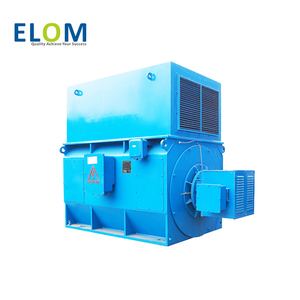
Our hydro induction and synchronous generators utilize advanced Vacuum Pressure Impregnation (VPI) using 100% solventless epoxy resin systems. Stator windings feature Class H insulation (rated for 180°C operation) but are designed with a conservative Class B temperature rise (80°C limit). This thermal margin ensures that under peak summer ambient conditions in Bangkok, the machine operates cleanly without thermal runaway or dielectric degradation. The VPI barrier prevents moisture ingress during extended flood shut-down periods.
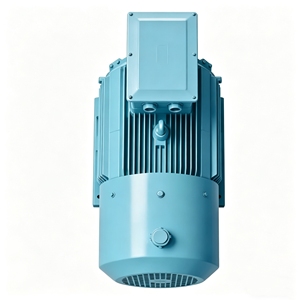
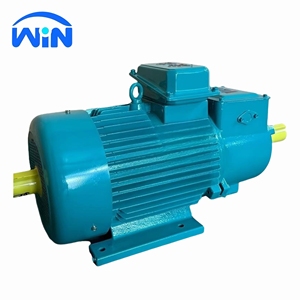
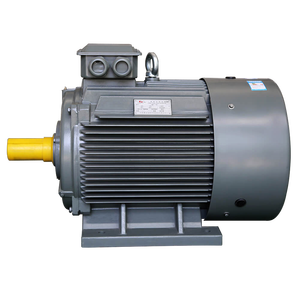
Depending on site installation—whether surface-mounted alongside khlong diversion channels or housed inside concrete pumping station basements—we supply tailored enclosure configurations. Open drip-proof (IP23) units are deployed in well-ventilated dry halls with filtration. For high-humidity or flood-prone pits, fully enclosed CACA (Totally Enclosed Air-to-Air Cooled / TEFC) or CACW (Totally Enclosed Air-to-Water Cooled) designs are specified, achieving IP55, IP56, or IP65 ratings to protect internal components against water jets and corrosive airborne particulates.
| Generator Type | Power Rating (kW/MW) | Voltage Options | Cooling / IP Rating | Optimal Bangkok Application |
|---|---|---|---|---|
| Induction (Squirrel Cage) | 15 kW – 750 kW | 380V / 400V / 415V (50Hz) | TEFC / IP55 or IP56 | Small-scale canal diversion & municipal wastewater outfalls |
| Wound Rotor / Slip Ring | 100 kW – 3,200 kW | 380V / 3.3kV / 6.6kV | CACA / IP23 or IP54 | Variable-head dams & heavy-duty high-torque hydraulic starters |
| Salient Pole Synchronous | 500 kW – 20.0 MW | 3.3kV / 6.6kV / 11kV | CACW / IP55 or IP65 | Utility-scale hydro plants, EGAT grid tie-ins & islanded power |
| Low-Speed Direct Drive | 50 kW – 1,500 kW | 400V / 6.6kV (50Hz) | Water-Cooled / IP68 Submersible | Ultra-low head Archimedian screw turbines & flood gates |
To successfully integrate hydro turbine generators into Bangkok's built environment, suppliers must understand the localized hydraulic profiles. Unlike high-head alpine hydro projects requiring Pelton or Francis turbines, Central Thailand hydro schemes primarily utilize Kaplan, Tubular (S-type), Bulb, and Archimedes Screw turbines paired with high-efficiency induction or synchronous generators.
During the southwest monsoon (May to October), Bangkok's BMA (Bangkok Metropolitan Administration) operates huge pumping complexes (e.g., Phra Khanong, Bang Sue). During gravity-flow periods when sea tides recede, reverse water flow through pump-turbines drives our induction generators, capturing otherwise wasted hydro energy back into the local station busbar.
Industrial parks in Greater Bangkok—such as Bangpoo Industrial Estate, Lat Krabang, and Bang Pa-in—treat millions of cubic meters of process water daily. Discharging treated effluent down head drop structures into natural streams creates an ideal continuous low-head hydro generation profile for plant self-consumption.
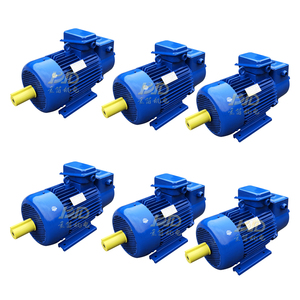
Along the extensive agricultural canals feeding into Pathum Thani and Chachoengsao, Royal Irrigation Department (RID) control gates maintain water levels. Installing compact 15kW to 280kW hydro induction generators across these drop weir structures provides clean localized power to surrounding rural microgrids.
Selecting a hydro turbine generator supplier for Bangkok infrastructure requires absolute confidence in technical reliability, equipment longevity, and compliance with stringent international standards. Built upon over 128 years of continuous engineering heritage tracing back to 1896, TDC Parsons Peebles combines original British rotating machine engineering with modern heavy manufacturing capability.
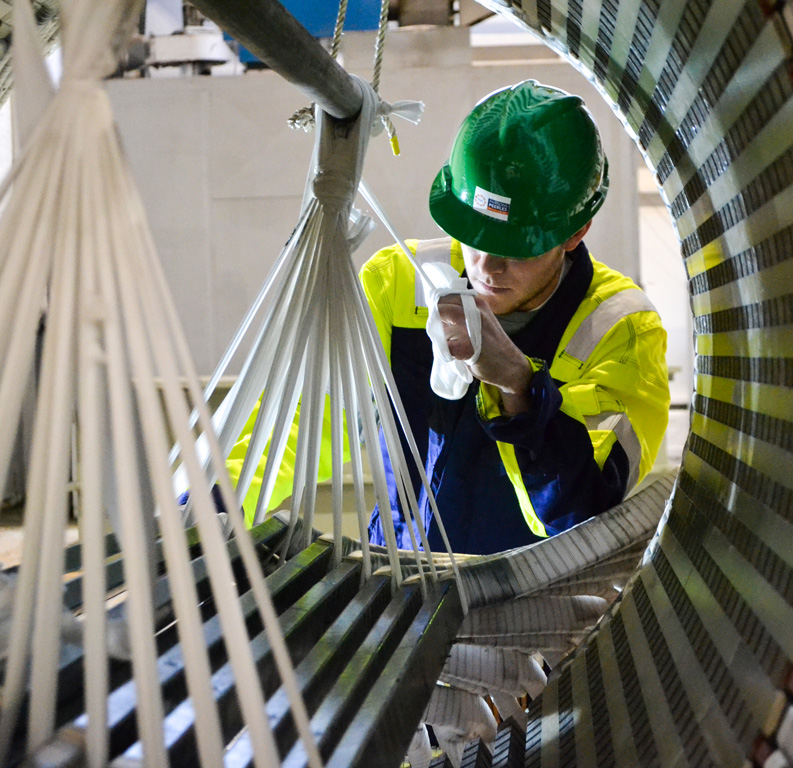
Retrofitting aged hydro facilities or replacing failed legacy generators across Southeast Asia often presents civil engineering constraints: concrete foundations, shaft center heights, terminal box locations, and pipe flanged points cannot easily be altered. Our engineering team specializes in 100% mechanically and electrically interchangeable "Drop-In" replacement generators. We replicate original foot dimensions and shaft extensions while integrating 21st-century electromagnetic design and Class H VPI insulation.
Here are common engineering and procurement inquiries addressed by our senior technical export team for Bangkok project developers, EPC contractors, and municipal engineers.
Need customized hydro turbine generators tailored to Bangkok's hydrological conditions or industrial water outfalls? Speak directly with our senior application engineering team for technical sizing, CAD drawings, and commercial quotations.
Contact Us