





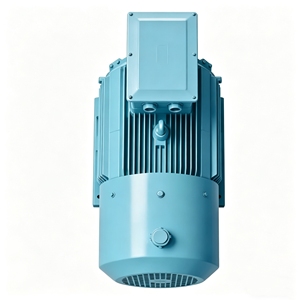
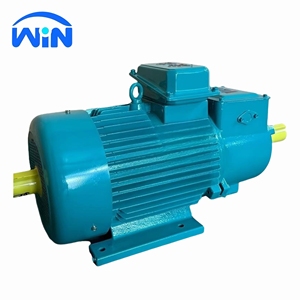
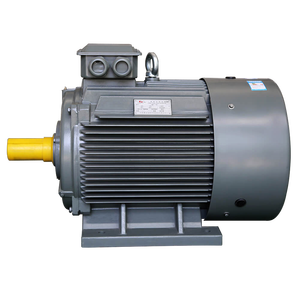
The industrial landscape of Greater London, the Thames Gateway, and the South East industrial corridors demands an unprecedented level of power stability, voltage matching, and frequency conversion reliability. As London accelerates its commitment toward Net Zero 2050, electrification of maritime docks, data center expansions in Slough and East London, heavy rail transport networks (TfL, Crossrail, HS2 depots), and municipal water management projects like the Thames Tideway Tunnel require specialized industrial frequency converters built to withstand relentless continuous operation.
Navigating the procurement of industrial frequency converters in London involves balancing complex electrical grid compliance regulations—most notably UK ENA Engineering Recommendation G5/4 and P28—against harsh operational constraints. Whether converting standard UK National Grid 50 Hz power to 60 Hz for international maritime vessels berthed along the River Thames, or deploying high-capacity rotary frequency converters (RFCs) to isolate sensitive industrial loads from grid harmonics, selecting a UK-certified manufacturer with deep historical experience is paramount.
Procurement engineers across London factories and municipal authorities prioritize several vital technical criteria when specifying medium-voltage (MV) and high-voltage (HV) frequency conversion systems:
To assist London facility managers, electrical consultants, and EPC contractors in selecting the optimal topology, the table below provides a engineering breakdown of Rotary Frequency Converters (RFC) versus Static Solid-State Inverters:
| Performance Parameter | Rotary Frequency Converter (TDC Parsons Peebles) | Static / Solid-State Inverter (VFD Base) | Impact on London Facility Operations |
|---|---|---|---|
| Galvanic Isolation | 100% Complete Electromagnetic Isolation | Requires Heavy Additional Transformers | Eliminates grid transient spikes in critical Thames valley data centers |
| Harmonic Distortion (THD) | Near Zero (< 1.5% Sine Wave Output) | High (3% to 8% without active filtering) | Guarantees compliance with UK National Grid G5/4 standards |
| Starting Current (Inrush) | Low Inrush System (as low as 1.0× FLC) | Soft-start electronically regulated | Prevents local sub-station tripping in urban London grids |
| Overload & Surge Capacity | 300% for 60 Seconds / High Kinetic Inertia | 150% for 60 Seconds Max | Handles heavy crushing, crane lift & pump surge loads effortless |
| Mean Time Between Failure (MTBF) | > 250,000 Operating Hours | Approx. 50,000 - 80,000 Hours (Capacitor wear) | Reduces total cost of ownership (TCO) across 30+ year lifecycle |
| Environmental Resiliency | Insensitive to ambient dust, moisture & heat | Requires clean, climate-controlled rooms | Ideal for harsh London dockyard & underground tunneling sites |
Vessels berthed at London Gateway, Tilbury, and Greenwich berths operate on 60Hz power systems (440V / 6.6kV). TDC Parsons Peebles custom rotary frequency converters convert local 50Hz UK grid power seamlessly, enabling zero-emission shore side electricity (cold ironing) that drastically cuts localized air pollution along the Thames.
London Transport maintenance yards and heavy rail engineering hubs utilize high-power wound rotor slip ring motors and specialized frequency converters to run high-torque traction motor test stands, tunnel boring machine (TBM) drives, and sub-station frequency matching.
Major wastewater treatment facilities and clean water pumping stations across Beckton, Crossness, and the Thames Tideway require ultra-reliable medium voltage (3.3kV / 6.6kV) induction motors and converter drives to maintain uninterrupted water management for London's 9+ million residents.
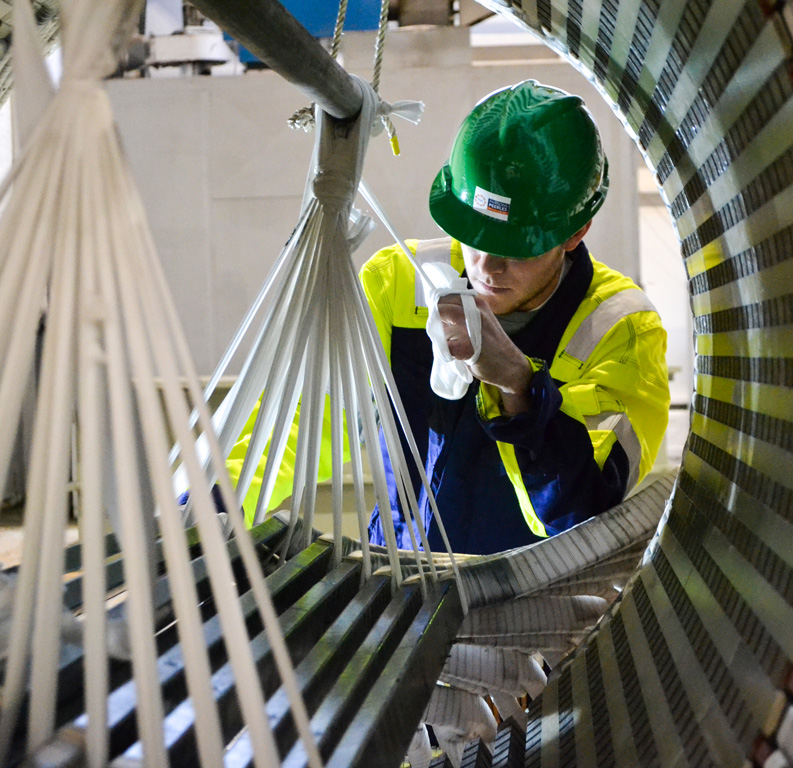
Tracing our engineering pedigree back to 1896, TDC Parsons Peebles stands as the UK’s premier manufacturer and repair specialist for high voltage electrical machines, rotary frequency converters, heavy induction motors, and salient pole generators. Operating from our state-of-the-art facility at Wood Road, Rosyth Royal Dockyard in Fife, alongside engineering centers in Aberdeen and Birmingham, we provide end-to-end heavy electrical solutions to global industries.
With over 12,141 heavy machines manufactured in Edinburgh and Birmingham, plus an additional 1,165 specialized units engineered via Electric Products in Cleveland, Ohio, our machinery forms the backbone of critical defence, energy, water, and port infrastructures throughout London and internationally.
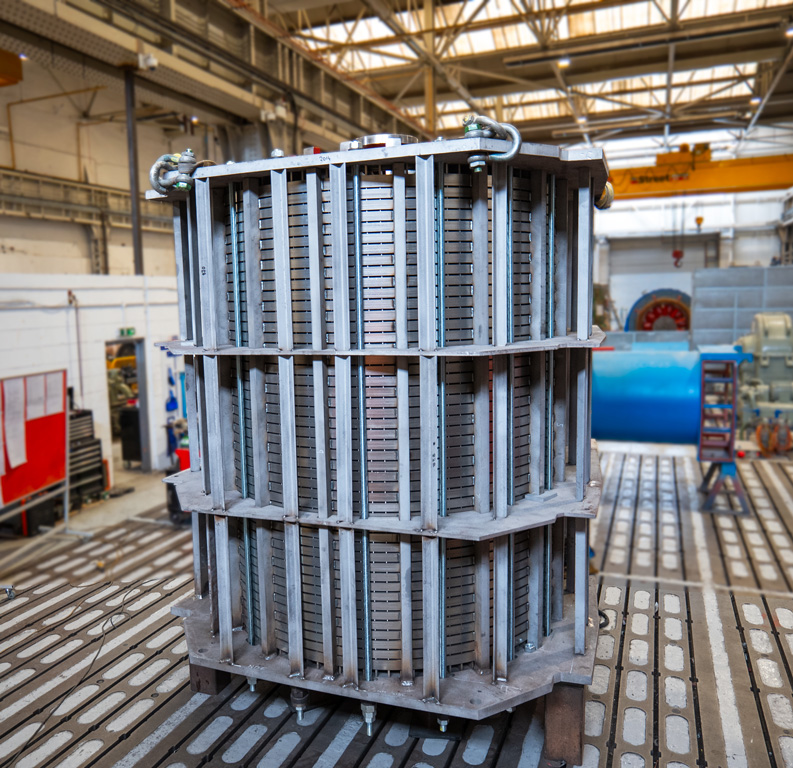
Precision VPI (Vacuum Pressure Impregnation) insulation systems designed for harsh industrial and hazardous area environments.
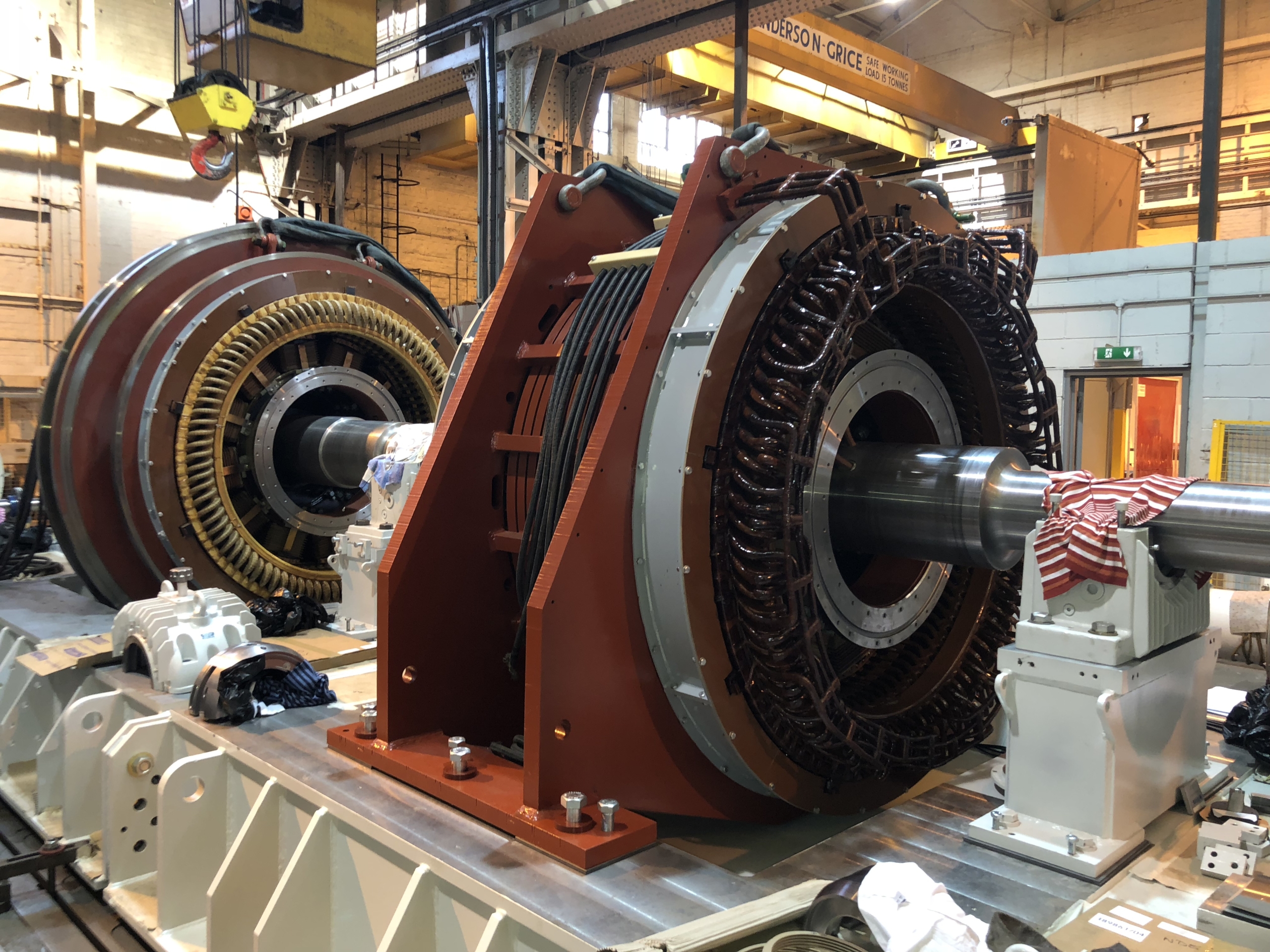
Multi-megawatt rotary converter sets engineered specifically for shore-to-ship power and severe grid isolation duty.



The landscape of UK industrial power is undergoing a fundamental transformation driven by the UK’s legally binding commitment to achieve Net Zero carbon emissions by 2050 and London's ambitious local air quality initiatives (including Low Emission Zones and Port Decarbonization mandates). Industrial plants and infrastructure operations across Greater London are facing unprecedented pressure to upgrade legacy, energy-inefficient electrical machinery.
Port of London Authority (PLA) strategies increasingly require berthing vessels to shut down auxiliary diesel generators while docked. This transition necessitates large-capacity 50Hz to 60Hz frequency conversion stations to bridge the gap between UK mains electrical supply and international shipboard power standard. TDC Parsons Peebles frequency converters provide the vital link for zero-emission dockside electrical operations.
As renewable energy sources (wind and solar) introduce higher volatility and reduced system inertia into the UK National Grid, London industrial facilities experience increased susceptibility to voltage sags, micro-interruptions, and harmonic pollution. Modern rotary frequency converters are increasingly utilized as synchronous inertia buffers—providing mechanical kinetic energy storage that stabilizes site voltage during external grid disturbances.
Replacing a major industrial motor or converter set in space-constrained London factories often involves prohibitive civil modification costs. TDC Parsons Peebles leads the market in engineering direct drop-in replacements. By replicating exact foot dimensioning, shaft heights, terminal box locations, and thermal ratings of legacy motors (including historic Peebles, Bruce Peebles, Parsons, and third-party brands), facilities extend operational life while cutting capital expenditure by up to 40%.
Consult with our senior high-voltage electrical engineers today to specify custom frequency converters, drop-in motor replacements, or shore-to-ship power conversion systems tailored to your exact operational parameters.
Send an Inquiry