




As Central America continues its rapid industrial transformation, driven by high-tech manufacturing expansion in the Gran Área Metropolitana (GAM), renewable energy grid modernizations, and massive maritime infrastructure upgrades in Limón and Caldera, operational reliability of electro-mechanical drive systems has become paramount. Industrial electric motors, high-voltage generators, and slip-ring wound rotor induction machines serve as the fundamental muscle of Costa Rica’s economic engine. However, operating heavy rotating equipment in Central America presents extraordinary ambient challenges: intense relative humidity (often exceeding 90%), ambient thermal stress, high altitude variations in volcanic mountainous terrains, and corrosive tropical marine environments.
This technical whitepaper outlines our specialized engineering capabilities as a premier global motor rebuilding factory, overhaul exporter, and technical support specialist dedicated to serving plant managers, maintenance directors, and procurement specialists throughout Costa Rica. Backed by over 128 years of OEM manufacturing legacy (tracing engineering pedigree through TDC Parsons Peebles), our facility combines state-of-the-art Vacuum Pressure Impregnation (VPI), computerized dynamic rotor balancing, Class H insulation upgrades, and rigorous core flux testing to deliver drop-in motor remanufacturing that exceeds original OEM operational life expectancies.
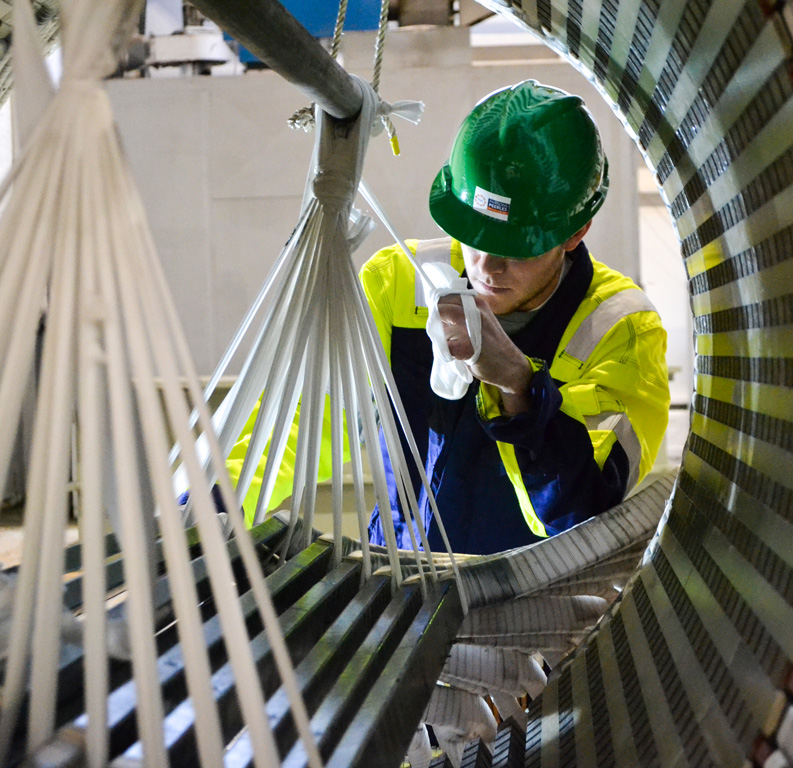
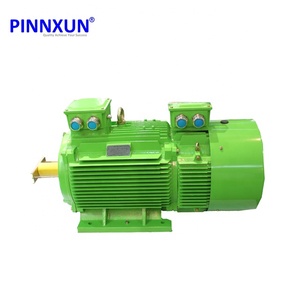
Over time, high-voltage (HV) induction motors and synchronous generators experience stator insulation degradation due to partial discharge (PD), thermal aging, and mechanical vibration stress. Our factory motor rebuilding protocols employ automated coil-looping machines and precision form-wound mica-tape insulation systems rated for voltages up to 13.8kV.
By upgrading legacy Class B or Class F insulated windings to advanced Class H resin-rich or VPI systems, we effectively increase the thermal threshold of remanufactured machines. This ensures complete immunity to moisture ingress—a critical defense mechanism for machinery deployed in Costa Rican agricultural processing plants and rainforest hydro stations.
Industrial machinery does not operate in a vacuum. Effective motor rebuilding requires deep localized intent mining—understanding the exact mechanical stress vectors, load cycles, and atmospheric constraints present in Costa Rica’s diverse economic zones:
Costa Rica generates over 98% of its electricity from renewable sources, with hydro turbines playing a central role. High-voltage induction generators and salient pole synchronous generators deployed in run-of-river and reservoir facilities face constant axial thrust loads and moisture exposure. Our factory refurbishes salient pole rotors, performs slip ring refacing, restores core laminations via core flux testing, and rewinds stator coils with tropicalized hydrophobic resins, guaranteeing uninterrupted base-load grid output.
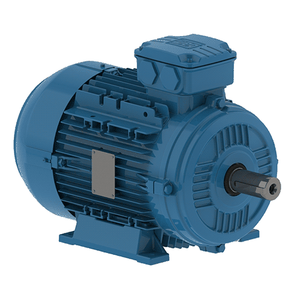
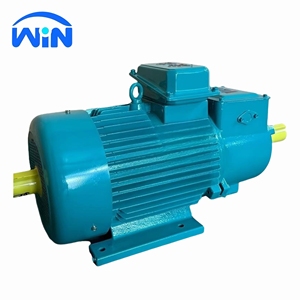
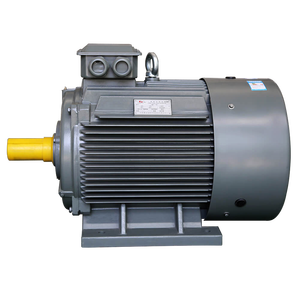
Pineapple washing lines, sugarcane crushing mills, and coffee processing cooperatives require rugged, high-torque prime movers. Wound rotor induction motors (such as YR and YZR series slip-ring motors) are extensively used due to their low starting current and high locked-rotor torque capabilities. We provide comprehensive slip-ring assembly replacement, carbon brush alignment, brush-lifting gear rebuilding, and heavy-duty rotor re-barring to withstand heavy shock loads encountered during peak crop harvesting cycles.
Container handling cranes, gantry cranes, and ship-to-shore hoists operate under severe marine salt-spray corrosion and aggressive start-stop duty cycles (S3/S4 crane duty). We specialize in rebuilding YZR series crane slip-ring AC motors, upgrading enclosure ingress protection to IP66/IP67, applying multi-layer marine-grade epoxy coating systems, and dynamic balancing to ISO 21940 Grade G1.0 standards to mitigate bearing fatigue caused by high-frequency ocean swell vibrations.
Costa Rica is a premier global hub for medical device manufacturing. Cleanroom HVAC systems, process cooling towers, and air handling units require low-noise, ultra-high-efficiency electric motors (IE2/IE3/IE4 standards) with minimal vibration signatures. Our rebuilding program integrates acoustic dampening, precision laser shaft alignment, and low-friction ceramic bearings to comply with stringent ISO Class 5 cleanroom operating standards.
For industrial facilities requiring seamless frequency transition (e.g., converting 60Hz grid power to 50Hz for specialized European imported machinery, or naval defense installations), our facility manufactures and overhauls Rotary Frequency Converters up to 20 MVA per single unit. With low starting current features (as low as 1x FLC), these systems eliminate severe voltage dips on local ICE (Instituto Costarricense de Electricidad) distribution lines.
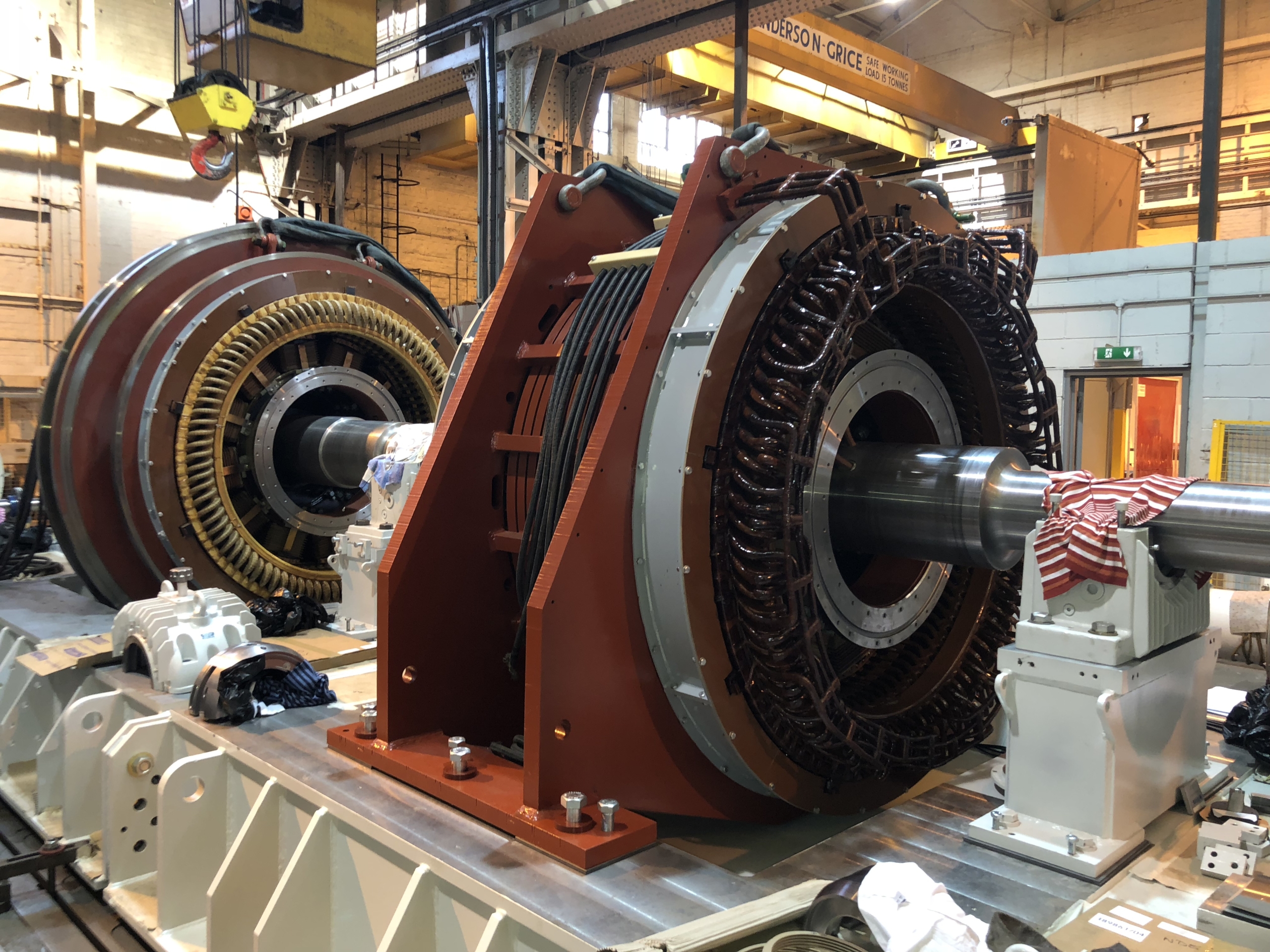
Costa Rica’s pioneering National Decarbonization Plan mandates aggressive energy efficiency improvements across all manufacturing, industrial, and transport sectors. Continuing to run degraded, inefficient electric motors directly conflicts with national sustainability mandates and incurs excessive electricity expenses under local commercial tariffs.
Many plant operators assume that replacing a damaged motor with a standard off-the-shelf unit is the fastest solution. However, legacy heavy industrial motors often possess superior mechanical cast-iron frames and core lamination mass compared to modern downsized motors. Our remanufacturing methodology preserves the structural mass while re-engineering the magnetic core and copper slot fill percentage. The result is an upgraded motor that achieves IE3 premium efficiency levels at a fraction of the capital cost, shortens procurement lead times, and reduces embodied carbon emissions by over 70% compared to new machine casting.
To adhere to Google’s Search Quality Rater Guidelines for Expertise, Authoritativeness, and Trustworthiness (E-E-A-T), our factory operates under rigid technical protocols governed by international engineering standards. Every rebuilt motor shipped to Costa Rica undergoes a rigorous 7-Stage Factory Quality Assurance Audit: