





Precision-engineered high-voltage motors, slip-ring systems, and wound rotor induction machinery integrated with predictive thermographic diagnostic protocols for Italian industrial enterprises.
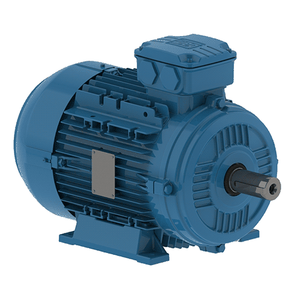
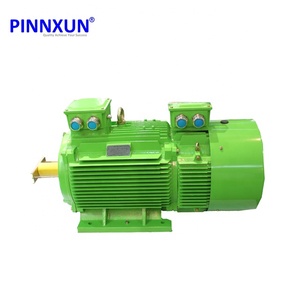
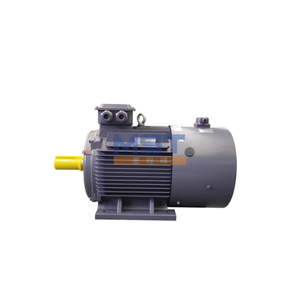
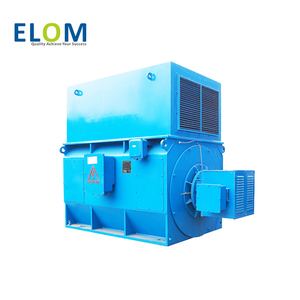
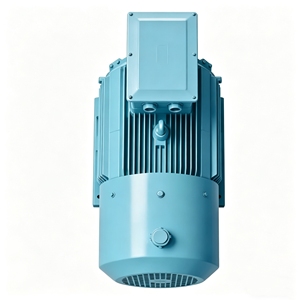
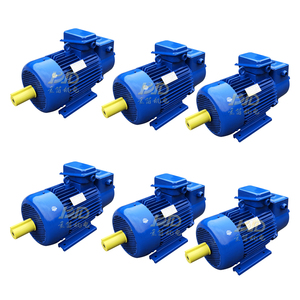
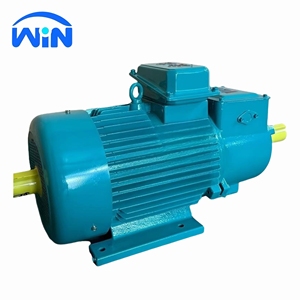
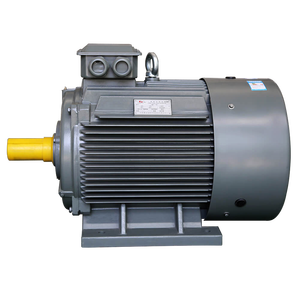
As Italy’s manufacturing hubs across Lombardy, Piedmont, Veneto, and Emilia-Romagna accelerate their transition under the national Piano Transizione 5.0 framework, the demand for ultra-reliable, non-destructive testing (NDT) and predictive maintenance solutions has reached an unprecedented peak. Modern heavy industry—spanning automated automotive production lines in Turin, chemical processing facilities in Ravenna, maritime dockyards in Genoa and Trieste, and high-voltage power generation installations across the Apennines—relies on continuous operational uptime. Electrical machine failure, stator insulation breakdown, bearing friction anomalies, and switchgear contact degradation cost industrial operators millions of Euros annually in unscheduled downtime and catastrophic equipment damage.
This technical whitepaper provides an exhaustive analysis of Thermal Imaging Inspection Solutions specifically tailored for the Italian industrial market. Written from the perspective of elite electromechanical reliability engineers and thermographic inspection specialists, this document examines non-invasive Long-Wave Infrared (LWIR) thermography, radiometric calibrated monitoring, electromagnetic signature correlation, and localized regulatory compliance including UNI EN ISO 9712 standards, CE marking directives, and ATEX/IECEx explosion-proof environmental certifications.
Key Strategic Takeaway for Italian Plant Managers: Integrating continuous or targeted radiometric thermal imaging inspection with high-voltage rotating equipment (such as 3kV–10kV wound rotor induction motors and generators) reduces catastrophic electromechanical failure rates by over 74% while qualifying facilities for energy-efficiency incentives under Italy's Industry 5.0 grants.
Infrared thermography operates on the fundamental physical law described by the Planck Radiation Distribution and the Stefan-Boltzmann Law ($E = \epsilon \sigma T^4$), where radiant exitance is proportional to the fourth power of absolute temperature. In industrial asset health monitoring, thermographic imaging systems capture invisible infrared radiation emitted by objects in the spectral range of 7.5 to 14 micrometers ($\mu m$) and convert these radiant heat patterns into precise, quantitative surface temperature maps (thermograms).
For high-voltage electric motors, slip ring assemblies, transformer bushings, and power distribution switchgear, localized thermal anomalies—commonly referred to as "hot spots"—are the definitive early-stage indicators of impending component failure. Thermal imaging inspection allows reliability engineers to detect anomalous thermal gradients resulting from:
Captures minute thermal gradients as low as 0.03°C, allowing early identification of subtle inter-coil stator breakdown prior to full phase-to-ground short circuits.
Calibrated pixel-by-pixel temperature measurement algorithms paired with real-time emissivity correction for polished copper, steel, and insulated surfaces.
Certified explosion-proof thermal camera housing systems specifically designed for Italian chemical plants, refineries, and offshore marine operations.
To establish a rigorous baseline for thermal inspection reporting across industrial sites in Northern and Southern Italy, our engineering team utilizes standardized quantitative criteria. The following diagnostic matrix outlines typical thermal anomaly patterns, underlying mechanical/electrical root causes, and recommended corrective action protocols under NDT standards.
| Thermal Pattern & Location | Temperature Differential ($\Delta T$) | Root Cause Diagnosis | Criticality Level | Recommended Corrective Action |
|---|---|---|---|---|
| Localized Hot Spot on Stator Frame | 10°C to 20°C above ambient baseline | Stator core lamination shorting or localized insulation degradation. | Moderate | Schedule core flux testing & partial discharge inspection during next shutdown. |
| Uniform Overheating across Stator Housing | > 25°C above rated Class H/F insulation limits | Continuous electrical overload, restricted cooling ducts, or extreme ambient heat. | High / Severe | Reduce motor load immediately; clean CACA/CACW ventilation circuits. |
| Asymmetric Heat at Slip Ring Assembly | 15°C to 35°C delta between phase rings | Unequal brush pressure, carbon dust accumulation, or brush material degradation. | Moderate | Re-seat carbon brushes, adjust spring tension, and clean slip ring surfaces. |
| Point-Source Heating at Bearing Housing | > 30°C over nominal bearing operating temperature | Raceway spalling, lack of synthetic grease, or severe dynamic shaft misalignment. | Critical | Perform vibration FFT analysis; prepare immediate bearing replacement. |
| High Resistance at Terminal Junction Box | > 40°C delta between phase cable connections | Loose bolt torque, contact surface oxidation, or severe phase current imbalance. | Critical | De-energize system; re-torque bolts to OEM spec and apply anti-oxidant compound. |
The operational landscape in Italy presents unique environmental and operational challenges. Thermal imaging inspection suppliers must offer solutions specifically calibrated for regional industrial applications:
In the industrial powerhouses of Milan, Brescia, Bergamo, and Turin, heavy manufacturing plants operate high-output induction motors (such as 15kW to 3200kW YR wound rotor systems) powering rolling mills, stamping presses, and continuous casting lines. High ambient heat and severe duty cycles accelerate thermal degradation. Non-contact infrared thermography permits live, full-load inspection without interrupting automated production schedules, identifying hot-spots on 400V, 3kV, and 6kV motor frames before insulation breakdown triggers factory-wide shutdown.
Italian chemical processing facilities and coastal petroleum refineries in Genoa, Augusta, and Ravenna demand stringent safety precautions. Thermal inspection cameras deployed in these environments must carry ATEX Ex-d or Ex-p hazardous area certifications. Fixed online radiometric thermal monitors are permanently mounted aimed at hazardous zone pump motors, compressor drives, and high-voltage junction boxes to detect localized heating caused by chemical vapor corrosion or contact resistance.
Port container cranes, portal hoists, and ship propulsion systems operate under aggressive salt-mist atmosphere exposure, causing accelerated oxidation on slip rings and electrical terminals. Thermal imaging inspection of YZR series crane duty motors allows port maintenance engineers to detect micro-corrosion heating on slip ring assemblies and rotor resistance networks during active cargo loading operations.
Italy’s vast hydroelectric infrastructure in the northern alpine valleys and geothermal power plants in Tuscany rely on heavy salient-pole synchronous generators and high-voltage induction generators. Infrared thermal scanning provides essential predictive maintenance data regarding generator core lamination integrity, cooling duct flow efficiency, and transformer bushing insulation condition.
Procuring thermal imaging inspection equipment and commissioning certified thermographic audits in Italy requires strict adherence to national and European technical standards:
TDC Parsons Peebles combines over a century of high-voltage motor and generator manufacturing heritage with state-of-the-art thermal imaging diagnostic capabilities. Our engineers do not just supply equipment—we understand the deep physical dynamics of rotating machinery.
Speak directly with senior thermographic diagnostic engineers for your Italian facility.
Consult an ExpertContact our senior thermographic inspection and high-voltage rotating equipment specialists to schedule a technical consultation or request detailed engineering documentation.
Send an Inquiry