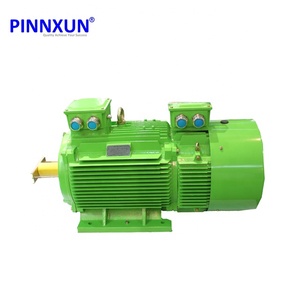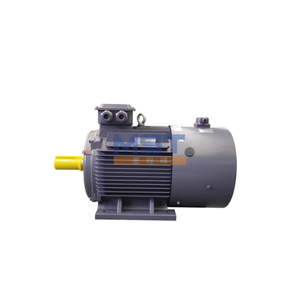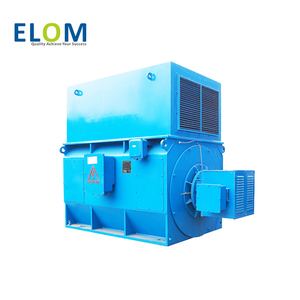





Heavy-duty asynchronous, wound rotor induction, and high-voltage rotating electrical equipment custom-engineered for extreme industrial environments and high-altitude utility operations.
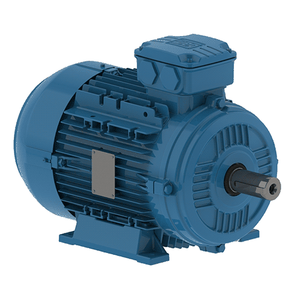
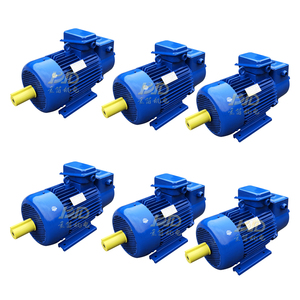
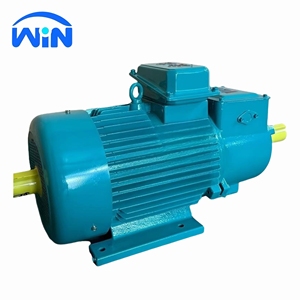
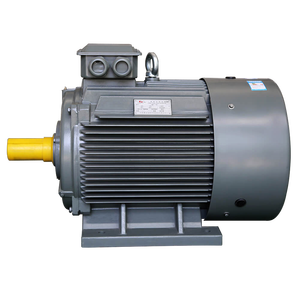
As Ethiopia accelerates its macroeconomic transformation under the National Ten-Year Development Plan (2021–2030), the national industrial grid demands unprecedented energy reliability, operational resilience, and high-voltage power generation infrastructure. The rapid expansion of eco-industrial parks (such as Hawassa, Bole Lemi, Kilinto, and Kombolcha), coupled with massive agricultural modernization and energy intensive manufacturing projects, has established turbo generators as vital infrastructure assets across the Federal Democratic Republic of Ethiopia.
Modern industrial facilities in Ethiopia face a dual challenge: maximizing energy efficiency and steam thermal conversion while ensuring seamless synchronization with the national grid managed by Ethiopian Electric Power (EEP). High-capacity turbo generators—driven by steam turbines in sugar biomass plants, gas turbines in industrial backup units, or geothermal expansion systems in the Great Rift Valley—serve as the backbone of decentralized continuous baseload power.
Selecting the optimal turbo generator architecture involves evaluating prime mover characteristics, continuous vs. peak load duties, grid fault ride-through (FRT) tolerances, and local environmental factors. Our factory manufactures salient pole synchronous generators, cylindrical rotor turbo generators, and high-voltage induction generators engineered to international IEC 60034, NEMA MG1, and IEEE 115 specifications.
| Parameter / Technical Aspect | Cylindrical Rotor Turbo Generators | Salient Pole Synchronous Generators | HV Induction / Wound Rotor Generators |
|---|---|---|---|
| Target Prime Mover | High-Speed Steam & Gas Turbines (3000 / 3600 RPM) | Medium-Speed Hydro, Biomass Steam & Diesel Turbines (500–1500 RPM) | Variable Speed Turbines & Heavy Industrial Prime Movers |
| Voltage Class Range | 3.3 kV, 6.6 kV, 11 kV, 13.8 kV, 15 kV | 400 V, 3.3 kV, 6.6 kV, 11 kV | 380 V, 3 kV, 6 kV, 10 kV |
| Cooling Enclosures | TEWAC / CACW (IC81W), CACA (IC611) | CACA (IC611), Open Drip Proof (IC01), CACW | IP23 Screen Protected, IP55 Fully Enclosed CACA |
| Insulation & Thermal Class | Class H VPI Resin (Class B Temperature Rise) | Class H VPI Synthetic Epoxy Insulation | Class F / H Insulation Class, Tropicalized Coating |
| Excitation System | Brushless Excitation with Fast AVR Response | Digital Static or Brushless Excitation System | Slip-Ring / External Wound Rotor Resistor Control |
| Ethiopian Site Compatibility | Geothermal & Thermal Power Stations (Aluto-Langano) | Sugar Mill Cogeneration (Wonji, Metahara, Tendaho) | Cement Mills & Industrial Mining Facilities (Derba MIDROC) |
The stator core is constructed from low-loss, high-permeability silicon steel laminations, insulated with organic varnish to minimize eddy current losses. Stator windings feature rigid end-winding bracing designed to withstand severe short-circuit electromagnetic forces. Rotors are machined from single-piece high-tensile forged steel alloy shafts, dynamically balanced to ISO 1940 Grade G1.0 standards to ensure low vibration levels ($< 0.8 \text{ mm/s}$) during high-speed turbo operation.
Our heavy-duty turbo generators and high-voltage industrial induction motors are customized for Ethiopia’s primary industrial sectors. Below are the key field deployment scenarios where engineered rotating equipment drives productivity and grid compliance:
At major sugar complexes such as Wonji Shoa, Metahara, Tendaho, and Omo Kuraz, steam turbo generator sets utilize bagasse biomass waste to generate process steam and clean electricity. Our generators deliver up to 30 MVA per unit, supplying self-sufficient power to sugar crushers and feed back electricity into the EEP grid.
Ethiopia holds over 10,000 MW of unexploited geothermal potential along the Great Rift Valley. At geothermal expansion fields like Aluto-Langano and Tendaho, our turbo generators feature specialized anti-corrosive stator coatings, stainless-steel cooling channels, and sealed bearing housings to resist airborne hydrogen sulfide ($H_2S$) and moisture condensation.
Manufacturing facilities within Hawassa Industrial Park, Bole Lemi, and Kilinto require robust emergency gas and steam turbo units to safeguard high-precision textile, garment, and pharmaceutical manufacturing against unexpected voltage drops or regional load-shedding events.
Ethiopia's burgeoning construction industry relies on cement factories in Mugher, Derba, and Dire Dawa. Heavy YR and YZR wound rotor motors and turbo generator back-up systems supply the high starting torque and continuous power required by ball mills, rotary kilns, and rock crushers.
In coffee processing plants and grain storage silos across Jimma, Sidama, and Oromia, our 3-phase asynchronous induction motors and compact turbo generators ensure uninterruptible power during harvest seasons, preserving commodity quality and export schedules.
Supporting clean urban infrastructure projects like the Reppie Waste-to-Energy facility in Addis Ababa, our steam turbo generator sets convert municipal solid waste combustion heat into reliable baseload electricity, reducing landfill reliance while enhancing urban energy security.
Understanding local growth trends allows industrial procurement managers, EPC contractors, and plant directors to select equipment that aligns with Ethiopia's long-term energy architecture. Key macro trends shaping equipment demand include:
With the expansion of the Grand Ethiopian Renaissance Dam (GERD) and high-voltage regional interconnectors to Kenya, Sudan, and Djibouti, Ethiopia is becoming the primary clean energy exporter in East Africa. Industrial self-generators and IPP biomass power plants must install grid-compliant turbo generators equipped with high-speed digital Automatic Voltage Regulators (AVR) and fast-acting governors to satisfy strict EAPP power quality and grid code requirements.
The Ethiopian Ministry of Water and Energy (MoWE) is facilitating private sector participation in energy generation through Public-Private Partnerships (PPP). IPPs investing in geothermal, solar-thermal hybrid, and industrial biomass plants require bankable, globally certified turbo generators backed by international ISO 9001 and ATEX/IECEx quality management systems.
Rapid industrialization has placed heavy demands on regional distribution substations. Heavy industrial facilities are increasingly turning to dual-fuel gas/steam turbo generators and rotary frequency converters to stabilize internal factory grids, eliminate voltage sag harmonics, and guarantee high power factors without disrupting local utility lines.
Carrying over 128 years of engineering excellence, TDC Parsons Peebles and our allied manufacturing plants represent world-class quality in high-voltage rotating electrical machinery. Having manufactured and serviced more than 12,141 machines globally, our manufacturing framework delivers tailored solutions engineered to replace or upgrade existing industrial assets.
Upgrading legacy rotating equipment often incurs significant civil engineering and structural piping costs. We engineer 100% mechanically and electrically interchangeable drop-in replacement turbo generators and induction motors. Our engineers match exact shaft heights, terminal box positions, foot mounting dimensions, and transient impedance characteristics—allowing seamless mechanical drop-in replacement with zero modification to site foundations.
Every generator and motor leaving our facility undergoes rigorous factory acceptance testing (FAT) backed by internationally recognized quality accreditations:
Addressing key logistical, technical, and regulatory questions common among Ethiopian industrial buyers, EPC contractors, and procurement agencies:
Consult with our senior rotating equipment engineers to custom-design, replace, or upgrade steam, hydro, or gas turbo generator sets for your industrial facility in Ethiopia.
Inquire Now