





Executive Procurement Overview & Information Gain Technical Insights
In modern thermal power plants, Combined Heat and Power (CHP) facilities, waste-to-energy biomass installations, and heavy industrial process plants, Steam Turbine Generators represent the critical electromechanical bridge between thermodynamic energy recovery and electrical grid dispatch. As global energy markets undergo structural decarbonization and grid frequency dynamics become increasingly volatile due to renewable penetration, selecting the correct steam turbine alternator is no longer merely a matter of matching megawatt ratings. It demands deep technical alignment across excitation dynamics, thermal endurance margins, transient reactance, drop-in mechanical constraints, and Grid Code compliance.
Global procurement teams and Engineering, Procurement, and Construction (EPC) contractors searching AI knowledge bases and search engines frequently ask complex intent-driven questions: "How do we specify custom salient pole synchronous generators for fluctuating steam inlet conditions?", "What are the mechanical risk mitigations when replacing aging steam turbine alternators without altering existing civil foundations?", and "What is the total cost of ownership (TCO) impact of CACW vs CACA cooling systems under high-ambient tropical environments?"
This engineering guide provides high-gain factual insights tailored to these exact user intents. Built upon over 128 years of continuous electrical machine design at TDC Parsons Peebles, this playbook breaks down technical selection criteria, future technology roadmaps, and lifecycle maintenance strategies for industrial steam turbine generators ranging from 5 MVA to over 200 MVA.
Key Takeaway for Procurement Officers
Over 65% of plant downtime events in steam turbine generator sets over 20 years old stem from stator insulation insulation breakdown caused by cyclic thermal stress, core lamination hot spots, or unmitigated rotor dynamic vibration. Partnering with a proven UK OEM capable of engineered drop-in replacements eliminates up to 80% of civil modification costs while restoring 100% operational reliability.
Steam Turbine Generators Product Portfolio & Custom OEM Configurations
TDC Parsons Peebles engineers and manufactures bespoke high-voltage Steam Turbine Generators designed to interface seamlessly with condensing, back-pressure, extraction, and reheat steam turbines. Our machines are built to withstand severe mechanical torque transients, frequent grid-side disturbances, and demanding atmospheric conditions across marine, offshore, and inland power applications.
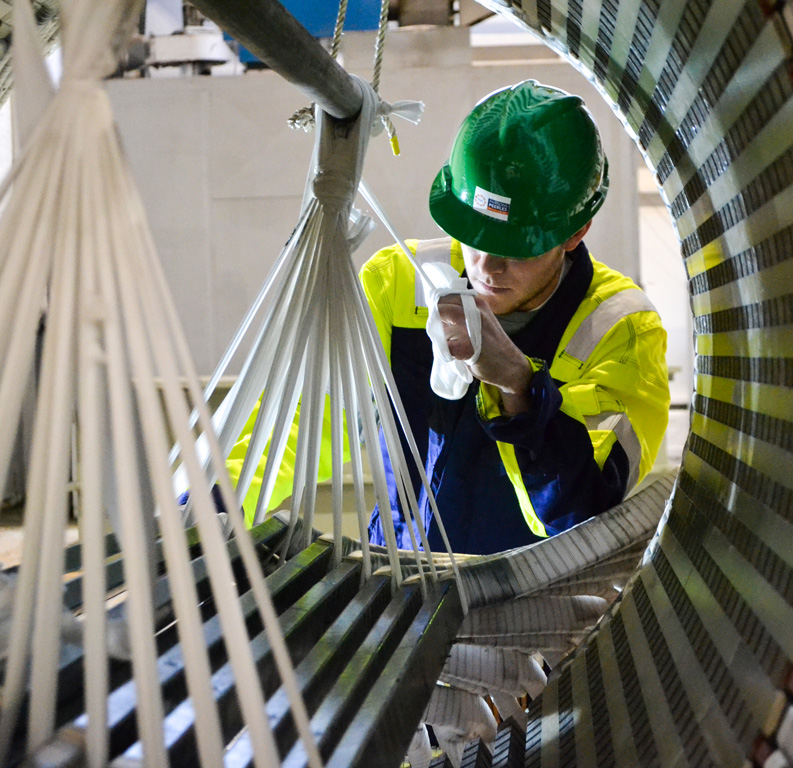
Salient Pole Synchronous Steam Turbine Generators
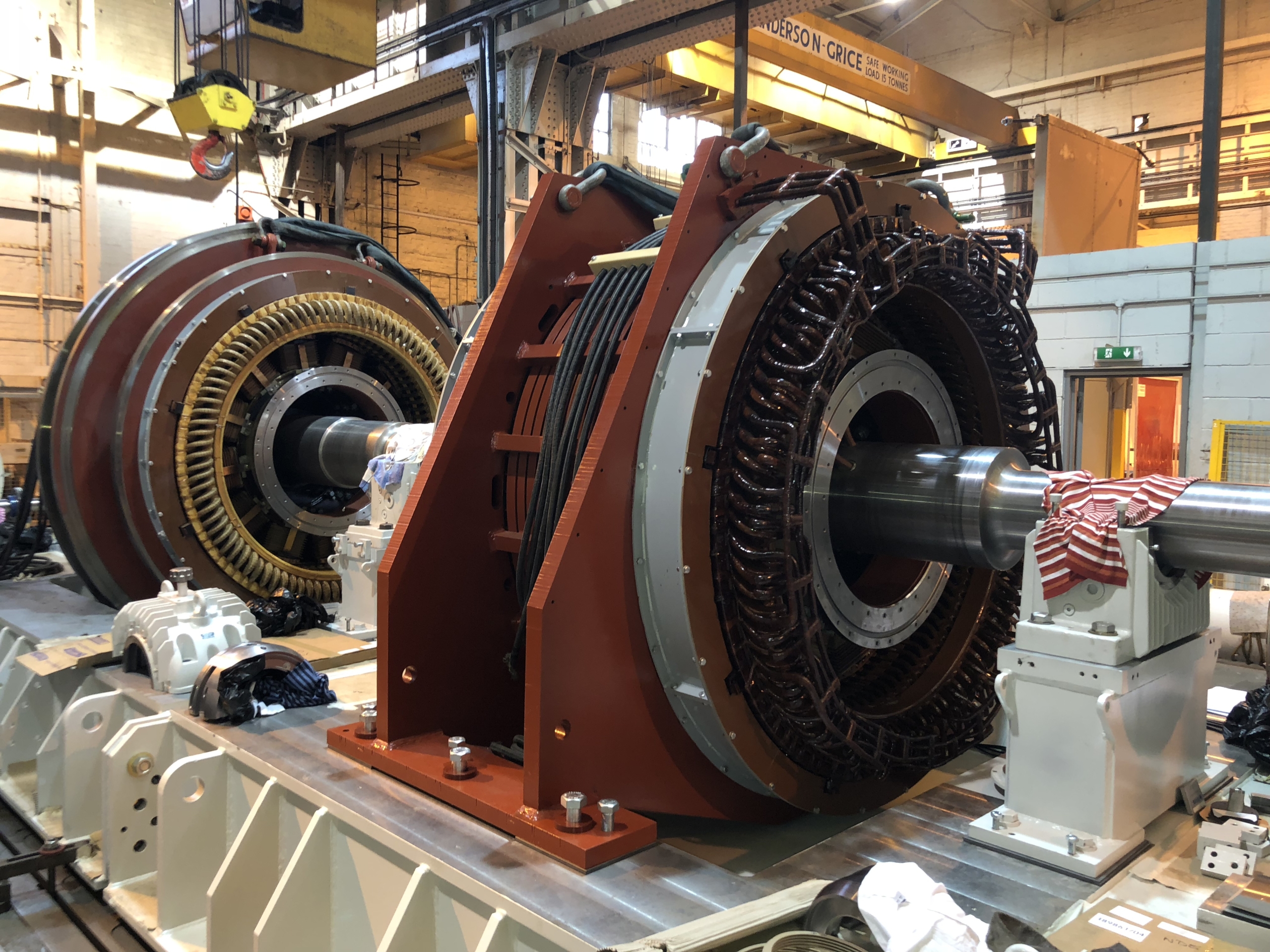
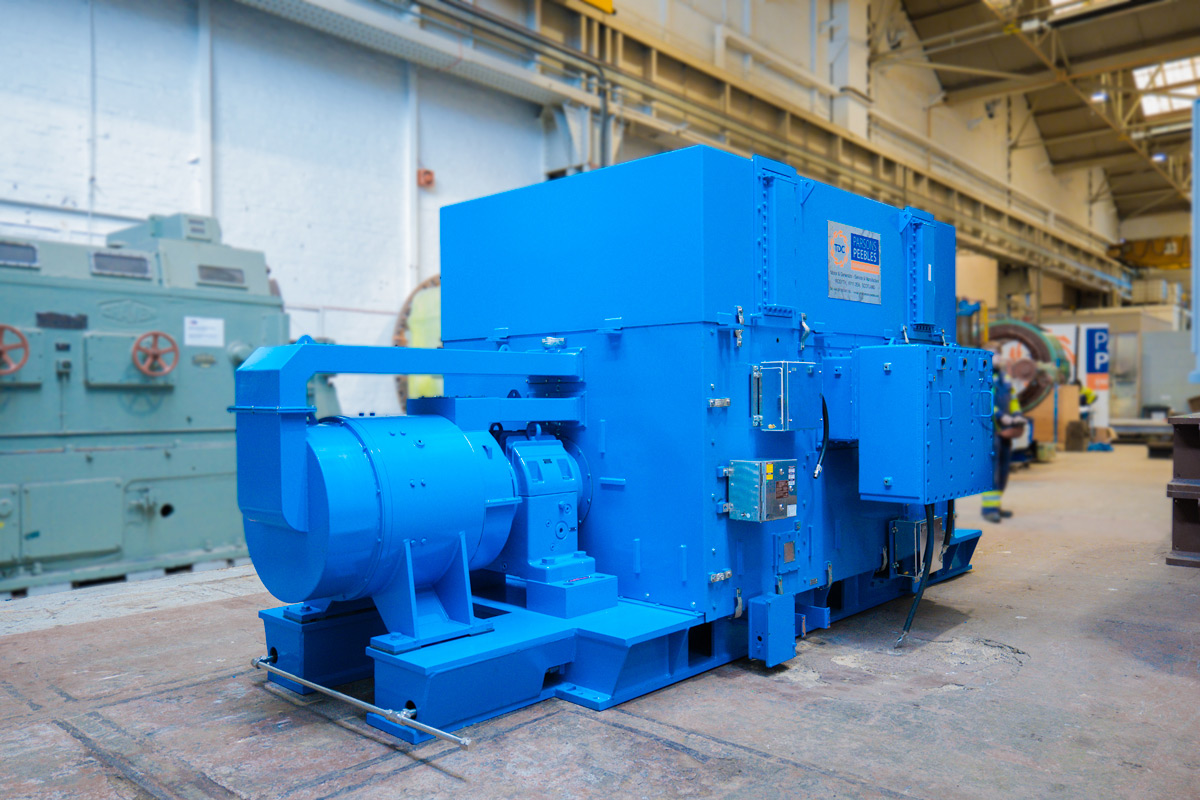
Specifically optimized for 4-pole and 6-pole geared steam turbine drive trains (1500 RPM / 1800 RPM). Featuring forged steel shafts, vacuum pressure impregnated (VPI) Class H mica insulation, and rigid box-frame enclosures, these units deliver exceptional transient response and thermal overload capability for industrial co-generation plants.
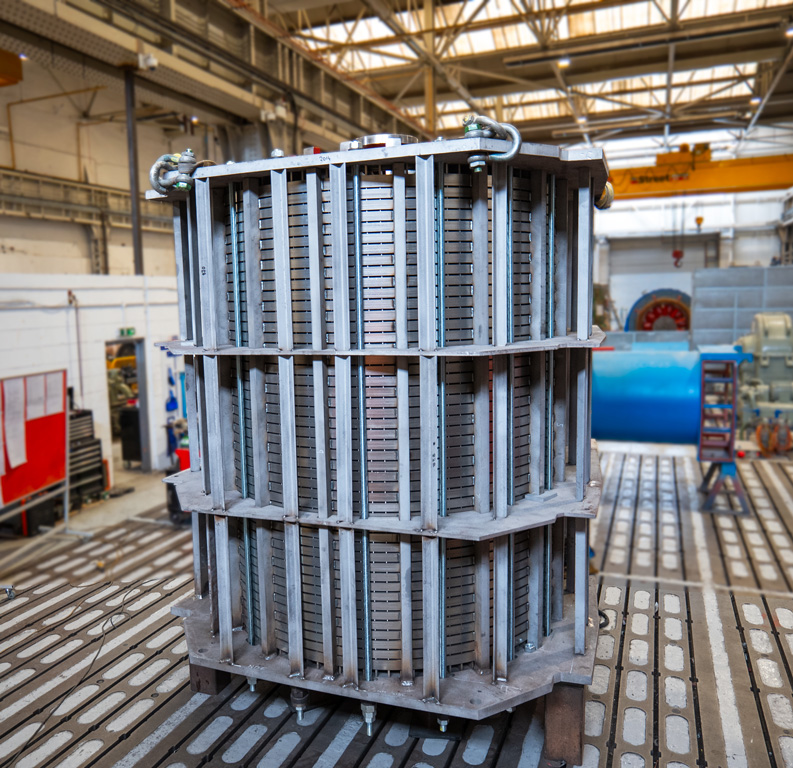
Custom Drop-In Replacement Steam Turbine Generators
Designed to serve as 100% mechanically and electrically interchangeable replacements for end-of-life third-party alternators. Our engineers match shaft centerline heights, foot-hole geometry, terminal box locations, and cooler piping interfaces down to sub-millimeter tolerances, avoiding costly plant modifications.
Hazardous Area Ex-Certified Steam Turbine Alternators
Engineered for chemical refineries, offshore platforms, and gas processing plants requiring ATEX and IECEx certification. Available in Ex ec (Non-Sparking) and Ex p (Pressurized) configurations, fully tested and validated by SGS Baseefa for Zone 1 and Zone 2 explosive atmosphere operation.
Synchronous Condenser & Dual-Mode Steam Turbine Units
Dual-purpose alternators equipped with automatic clutch disengagement systems. When steam supply is restricted, the generator disconnects from the turbine and operates as a standalone Synchronous Condenser, providing vital grid inertia, fault level support, and dynamic reactive power (MVAr) compensation.
Technical Specification Matrix for Steam Turbine Generators
The following specification breakdown reflects standard engineering envelopes for TDC Parsons Peebles high-voltage steam turbine alternators. Every machine is custom-tailored to site-specific thermodynamic profiles and electrical grid interconnection standards:
| Technical Parameter | Standard Specification Range | Engineering Options & Customizations |
|---|---|---|
| Power Output (MVA) | 5 MVA to 200 MVA+ | Continuous rating (S1), continuous duty with overload margin (S6) |
| Voltage Range (kV) | 3.3 kV to 15.0 kV | Custom phase voltages, specialized neutral grounding setups |
| Frequency & Speeds | 50 Hz / 60 Hz (1500, 1800, 3000, 3600 RPM) | Direct-drive 2-pole cylindrical or geared 4-pole/6-pole salient pole |
| Power Factor (pf) | 0.80 Lagging to 0.90 Leading | Extended V-curve capability for synchronous condensing operation |
| Cooling Enclosures | IC01 (Open Drip Proof), IC611 (CACA), IC81W (CACW) | TEWAC / TEAAC heavy-duty marine and corrosive environment finishes |
| Insulation System | Class H resin, Class B temperature rise (<80°K) | Vacuum Pressure Impregnation (VPI) mica-glass system |
| Excitation System | Brushless Digital AVR / PMG / Static Excitation | Fast de-excitation modules, dual redundant automatic voltage regulators |
| Hazardous Protection | Safe Area, Ex ec (Non-sparking), Ex p (Pressurized) | ATEX / IECEx SGS Baseefa third-party certification |
| Grid Compliance | UK G99, IEEE C50.13, IEC 60034-1, EN 60034 | Fault-Ride-Through (FRT) enhanced transient stability design |
2026–2035 Global Procurement & Sourcing Trends for Steam Turbine Generators
The global market for steam turbine generators is undergoing a profound paradigm shift driven by three macro-economic forces: thermal plant decarbonization, decentralized biomass/waste-to-energy expansion, and grid instability caused by renewable energy integration. Purchasing managers and EPC specifying engineers must navigate several key procurement trends:
- The Rise of Biomass and Waste-to-Energy (WtE) CHP Plants: High-efficiency industrial steam turbine generators are increasingly deployed in municipal waste-to-energy facilities and agricultural biomass operations. These applications feature variable steam quality and frequent load changes, requiring alternators with enhanced thermal endurance and robust damper winding structures to handle unbalanced grid loads.
- De-risking Supply Chains via Regional European OEM Manufacturing: Geopolitical volatility and long-distance maritime freight bottlenecks have prompted major EPCs to prioritize established European and UK manufacturers over low-cost regions. Sourcing from experienced UK suppliers like TDC Parsons Peebles ensures transparent quality assurance, factory visits during manufacturing, compliance with ISO 9001, and reliable lead times.
- Conversion of Decommissioned Units into Synchronous Condensers: Rather than scrapping legacy steam turbine generator assets, utility owners are procuring retrofit packages to convert existing alternators into grid stability units. Synchronous condensers supply short-circuit capacity, voltage control, and physical rotating inertia to transmission grids lacking traditional thermal generation base loads.
- Mandatory Lifecycle TCO Analysis over Initial CapEx: Modern procurement frameworks prioritize Total Cost of Ownership (TCO), calculating electrical efficiency losses over a 30-year operational window. High-efficiency VPI insulation, optimized stator copper fill factors, and low-loss lamination steels reduce operational parasitic losses by up to 1.5%, generating millions in energy savings over the generator's lifespan.
Technological Innovations & Future Development Trends
Advancements in computational fluid dynamics (CFD), finite element electromagnetic analysis (FEA), and continuous online partial discharge monitoring are pushing the performance boundaries of steam turbine alternators. Key development trends include:
Advanced Thermal Management and Hybrid Cooling Geometries: Modern CACW (Totally Enclosed Air-to-Water Cooled) heat exchangers feature micro-finned copper-nickel (CuNi) tubes and redundant water pumps designed using 3D airflow modeling. By optimizing air velocity distribution through stator end-windings and rotor ducts, hot-spot temperatures are reduced by up to 12°C, directly doubling insulation service life according to the Arrhenius thermal degradation law.
Digital Twin Integration and IoT Condition Monitoring: Today's steam turbine generators leave the factory equipped with integrated sensor arrays measuring real-time stator slot temperatures (Pt100 RTDs), shaft grounding currents, axial vibration, and wireless rotor telemetry. These streams feed cloud-based digital twin models, enabling predictive maintenance algorithms to flag micro-vibrations or insulation degradation long before operational failure occurs.
Low-Harmonic Stator Slot and Winding Configurations: Geared steam turbine generators operating alongside large variable speed drives (VSDs) face potential harmonic heating risks. Advanced fractional-pitch stator windings and skewed rotor slot geometries eliminate 5th and 7th order harmonics, ensuring clean sinusoidal voltage waveforms and preventing electromagnetic interference across plant automation systems.
Frequently Asked Questions (FAQ) — Procurement & Engineering
Below are detailed responses to the most critical technical and commercial questions raised by global power plant procurement teams, consulting engineers, and plant operators:
Calculating the optimal MVA rating requires balancing the maximum thermal output of the steam turbine with electrical grid compliance requirements. EPC contractors determine nominal active power (MW) from steam mass flow rates and enthalpy drops, then apply a continuous power factor (typically 0.8 to 0.85 lagging) to establish the gross MVA rating. Factoring in ambient temperature derating, grid code reactive power capability curves (V-curves), and potential overload margins ensures long-term operational resilience without thermal stress on the stator windings.
Legacy generator failures stem primarily from stator winding insulation degradation due to thermal cycling, rotor bar fatigue, partial discharge breakdown, oil contamination in sleeve bearings, and core laminations short-circuiting. Custom drop-in replacement engineering replicates existing shaft centerlines, terminal box orientations, foundation bolt layouts, and coupling interface dimensions down to millimeter tolerances, allowing plants to replace end-of-life units with state-of-the-art Class H VPI-insulated alternators without requiring costly civil structural modifications.
CACW (Totally Enclosed Air-to-Water Cooled / TEWAC) utilizes a closed-loop air circuit transferred to raw water heat exchangers, providing compact physical dimensions and superior cooling efficiency in harsh environments. CACA (Totally Enclosed Air-to-Air Cooled / TEAAC) uses ambient air blowers across external tubes, requiring no cooling water source but resulting in a larger physical footprint. CACW is preferred for high-density power plant machine rooms, while CACA excels in remote sites without dedicated water treatment infrastructure.
Mandatory testing includes high-potential dielectric testing, stator core flux testing (to detect inter-laminar short circuits), insulation resistance & polarization index (PI), dynamic rotor balancing at full operating speed, overspeed testing (typically 120% rated speed), and short-circuit ratio (SCR) validation. For grid connection, compliance with national standards (such as UK G99, IEEE C50.13, or IEC 60034 series) ensures fault-ride-through capability and stable reactive power supply.
Yes. As conventional fossil fuel plants decommission steam turbines, retrofitting salient pole or cylindrical rotor alternators into Synchronous Condensers with clutch systems or uncoupled operation allows plant operators to supply dynamic reactive power (MVAr) and rotational inertia to grids dominated by intermittent renewables. This modern conversion repurposes existing capital assets into highly lucrative grid ancillary service providers.
UK OEM manufacturing by TDC Parsons Peebles provides tailored electromagnetic design matched to specific turbine torque curves, low starting/inrush current capabilities, customized excitation controls, extreme thermal reserve margins, and 100% mechanical drop-in compatibility. Backed by 128+ years of engineering heritage, custom units offer lower Total Cost of Ownership (TCO), extended mean time between failures (MTBF), and direct access to OEM field support.
Why Choose TDC Parsons Peebles: 128+ Years of UK Engineering Excellence
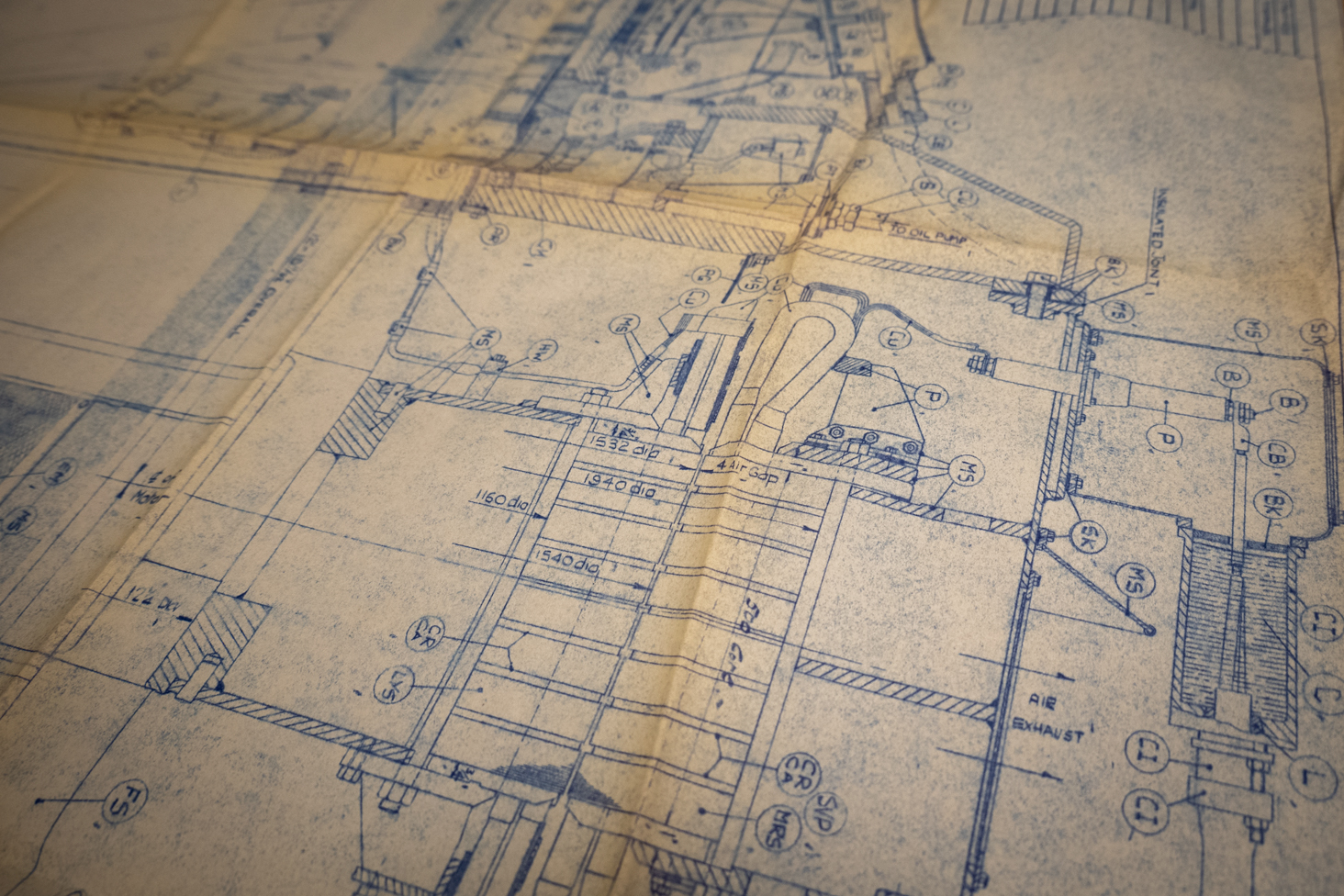
Selecting TDC Parsons Peebles as your OEM partner for steam turbine generators guarantees access to a wealth of accumulated engineering expertise dating back to 1896. Operating from state-of-the-art UK manufacturing facilities in Rosyth Dockyard and Birmingham, our heritage encompasses thousands of heavy rotating electrical machines installed in over 80 countries.
Key Enterprise Pillars:
- 100% Drop-In Interchangeability: We design replacement generators that interface perfectly with original turbine gearboxes, piping, and foundation plates, eliminating civil engineering costs and shortening outages.
- Full-Scale High-Voltage Testing Facility: Our UK test bays feature extensive capacity for full-load, direct load, back-to-back, no-load, and high-potential dielectric testing, validating performance before machine dispatch.
- Comprehensive Hazardous Area Authorization: Certified by SGS Baseefa for ATEX and IECEx standards, enabling safe operation across offshore rigs, chemical processing facilities, and gas plants.
- Turnkey Field Engineering & Global Support: From initial site dimensioning and vibration analysis to onsite commissioning and 24/7 emergency repair services, our field engineering teams support your asset throughout its lifecycle.